Hemophagocytic lymphohistiocytosis (HLH) is a severe hyperinflammatory syndrome induced by activated macrophages and cytotoxic T cells. HLH manifests recurrent fever, cytopenia, liver dysfunction, and a sepsis-like syndrome that may complicated by multiple organ failure.

All News
Dr. Jack Cush reviews the news and journal articles of note from this past week on RheumNow.com.
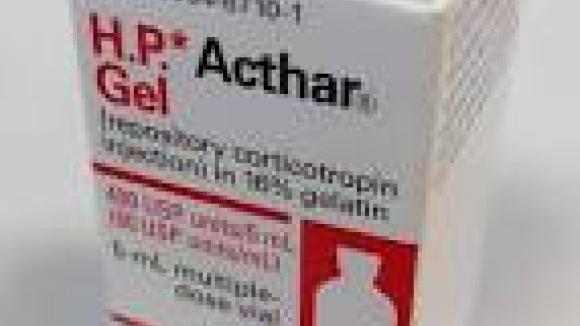
Reuters has reported that Mallinckrodt Plc has tentatively agreed to pay $15.4 million to resolve a US Justice Department investigation into company promotional practices for Acthar gel.
The US Food and Drug Administration convened a public hearing and specialty panel on May 31st to review the potential use, safety and effectiveness of cannabidiol (CBD) products that do not contain THC.
Despite the lack of good evidence, there has been great speculation about the role of diet in causing or alleviating inflammation. Now there's new research suggesting that proinflammatory diets can increase serum C-reactive protein levels and also the risk of rheumatoid arthritis onset.
Interleukin 17 (IL-17) inhibitors are highly effective and FDA approved for use in psoriasis, psoriatic arthritis and ankylosing spondylitis. However, many of the initial trials were done in rheumatoid arthritis (RA) where it was projected to be effective, but was not. A recent metanalysis examines how effective IL-17 inhibition was in two RA populations: biologic-naïve or tumor necrosis factor inhibitor inadequate responders (TNF-IR).
Australian researchers have assessed the problem of exercise in ankylosing spondylitis (AS). After posing 10 questions to 11 experts they have provided evidence and consensus-based ecommendations on exercise in AS.
A population-based survey from South Australia shows that gout flares are common in the community and have a significant effect on health-related quality of life (HRQoL), yet there is significant undertreatment of gout, even in those on current allopurinol.
Dr. Jack Cush presents the news and best of rheumatology and medicine from the past week on RheumNow.com
Rituximab (Rituxan) may be an option for maintenance therapy in patients with difficult-to-treat systemic lupus erythematosus (SLE), European researchers reported.
A study of biologic-naïve patients with ankylosing spondylitis (AS) who started therapy with a tumour necrosis factor inhibitor (TNFi) shows that after 5 years only 46% are still on a TNFi and that some are able to lower the dose over time.
Upadacitinib (UPA) is an oral, selective JAK1-selective inhibitor being developed for use in rheumatoid arthritis patients; Lancet has reported the SELECT-MONOTHERAPY trial showing that UPA is safe and effective in RA patients with an inadequate response to methotrexate (MTX).
The risk of serious infectious events (SIE) with rituximab (RTX) is similar to that seen in other biologics (e.g., RA: 2% or 4.3/100PY), but with prolonged use the risk may change. Recent research says that low IgG levels, RTX induced neutropenia, prior SIE and comorbidities can significantly augment this risk.
A retrospective longitudinal single center study of 700 rheumatic and musculoskeletal diseases (RMDs) treated monitored serum immunoglobulins (at baseline and 4–6 months after each cycle), clinical outcomes and SIE over time.
Dr. Jack Cush Reviews the news and journal articles from the past week on RheumNow.com
A study of osteoarthritis patients, finds that pain is the primary driver for health care utilization, and that the presence of insomnia or depression augments health care use.
In August 2018, the CMS announced that Medicare Advantage (MA) plans would be allowed to utilize step therapy for Part B drugs. The American College of Rheumatology (ACR) expressed strong concerns about this proposal.
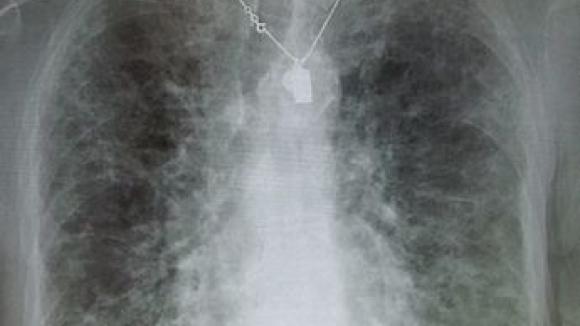
Among patients with rheumatoid arthritis (RA) who had interstitial lung disease (ILD), the pattern of ILD did influence mortality, but other pulmonary factors also contributed, a meta-analysis suggested.
The NEJM reports a randomized placebo controlled trial of nintedanib, a tyrosine kinase inhibitor, in systemic sclerosis patients with interstitial lung disease (ILD) resulted in less pulmonary decline, but had no effect on other features of systemic sclerosis.
Medicare and Truven MarketScan administrative data study (2006 through 2015) of rheumatoid arthritis (RA) undergoing arthroplasty found that while that the risks of perioperative infection was similar across biologics, the infection risk with glucocorticoid use, especially at