RheumNow will periodically report safety issues as Drug Safety Bulletins. These will update you with safety issues, label changes and reports of new, ongoing and resolved drug shortages that affect rheumatology. If you have suggestions or information about specific drug shortages or drug safety issues, please email us at info@rheumnow.com.

All News
A study published in The BMJ shows that financial ties between researchers and companies that make the drugs they are studying are independently associated with positive trial results; thereby questioning the bias in these objective trials.
Dr. Jack Cush reviews highlights from the past week on RheumNow.
If Congress changes or repeals the Affordable Care Act (ACA), which adults are at risk of losing health insurance?
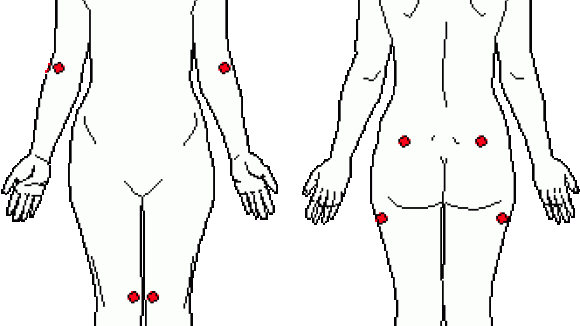
The European League Against Rheumatism (EULAR) recommendations for fibromyalgia (FM) management were published in 2007 and largely had recommendations based on expert opinion’. These guidelines were updated in May of 2015 after a systematic reviews and meta-analyses of the data.
SHARE (Single Hub and Access point for pediatric Rheumatology in Europe) was established in 2012 to optimise the diagnosis and treatment of several pediatric diseases. They have recently published their recommendations regarding the diagnosis and management of juvenile dermatomyositis (JDM).
IL-1β, along with pancreatic insulin, helps regulate blood sugar levels, as well as chronic inflammation.
A randomized trial of 537 knee osteoarthritis (OA) patients in the Duke Healthcare system has shown that patient- and provider interventions were no better than the usual standard of care.
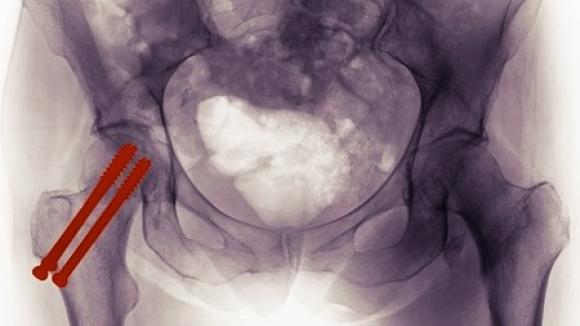
The association between the use of proton pump inhibitors (PPIs), osteoporosis (OP) and OP-related fragility fractures has been a topic of ongoing discussion in rheumatology community.
Dr. Jack Cush reviews highlights from this past week on RheumNow.com:
A study of 90 consecutive male (50.3±11.1 years) with psoriatic arthritis (PsA) were were compared to 240 age matched controls without known cardiovascular (CV) diseases who underwent angiography for chest pain and/or multiple CV risk factors.
Elderly patients treated with high doses of corticosteroids are bound to have multiple medical problems. But this was only recently quantified by researchers analyzing a a population-based cohort of biopsy-proven giant cell arteritis (GCA) patients in Southern Sweden.
Similar to the findings in rheumatoid arthritis, lower levels of education can have predictable negative consequences. And the reasons for more heart attacks with lower educational levels is not entirely clear.
Is being a “weekend warrior” and cramming the recommended amount of weekly physical activity into one or two sessions associated with lower risks for death?
A new article published online by JAMA Internal Medicine suggests that compared with inactive adults, weekend warriors who performed the recommended amount of 150 minutes of moderate or 75 minutes of vigorous activity in one or two sessions per week had lower risks for death from all causes, cardiovascular disease (CVD) and cancer.
Jennsen et al previously reported their findings regarding weight reductions ability to improve cutaneous psoriasis at the European Academy of Dermatology and Venereology (EADV) meeting in 2015, Now their results are published in The American Journal of Clinical Nutrition.
Dr. Jack Cush reviews highlights from the first week of 2017 on RheumNow.com.
Happy New Year!
Disease Activity Pre-pregnancy During Pregnancy Post-pregnancy
Mild 10 6 4
Moderate 2 6 8
Severe 2 2 2
Several important lines of population and large cohort research have shown that rheumatoid arthritis (RA) patients have a substantially higher risk for myocardial infarction and major cardiovascular events.
The current online edition of JAMA examines the evidence from 27 clinical trials and 1767 patients to assess the impact of intra-articular corticosteroids in patients with knee osteoarthritis (OA).
There are more than 11 million proton pump inhibitor (PPI) prescriptions written each year in the United States. While these agents have dramatically changed the management and outcome of upper gastrointestinal (GI) erosive and inflammatory disorders, their use has not been without safety concerns.