
Article
Studies from a cohort of gout patients in Mexico shows that long-term goals of a target serum urate (sUA) 6 mg/dL and remission are rare, especially for those with severe gout.

Search for Terms or Answers
Studies from a cohort of gout patients in Mexico shows that long-term goals of a target serum urate (sUA) 6 mg/dL and remission are rare, especially for those with severe gout.

Boston researchers have shown that consumption of fish rich in omega‐3 polyunsaturated fatty acids (n‐3 PUFA) leads to a lower risk of recurrent gout flares.

A national database reveals that patients with granulomatosis with polyangiitis (GPA) have 22.3% risk of hospital readmissions within 30 days of discharge.
From a total of 9749 hospital admissions with GPA, there were 2173 readmissions within 30 days of discharge.
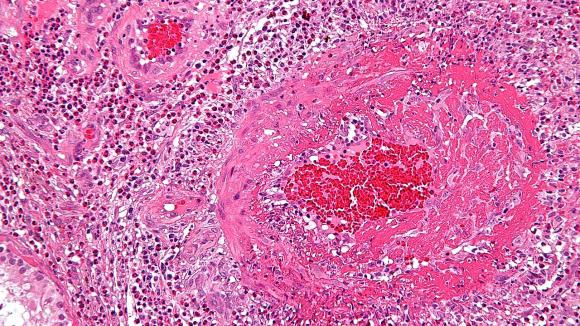
The American College of Rheumatology (ACR) and the Arthritis Foundation (AF) have released two guidelines on management of juvenile idiopathic arthritis (JIA).
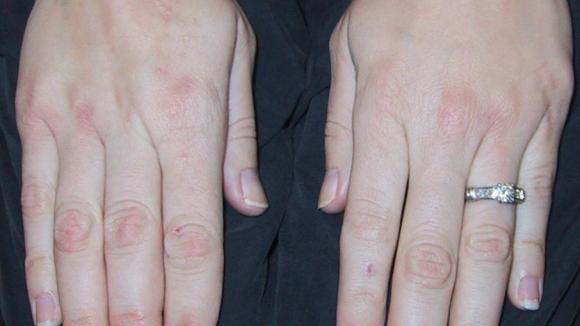
Two weeks of antibiotic therapy was as effective as 4 weeks for septic arthritis, a prospective single-center study found.
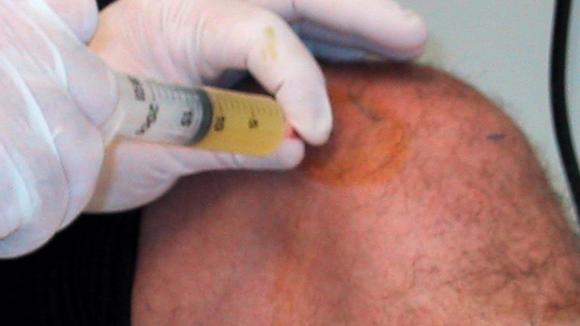
Namilumab, a monoclonal antibody that targets the granulocyte-macrophage colony-stimulating factor (GM-CSF) ligand, showed promise as a treatment for rheumatoid arthritis (RA) in a phase II study.
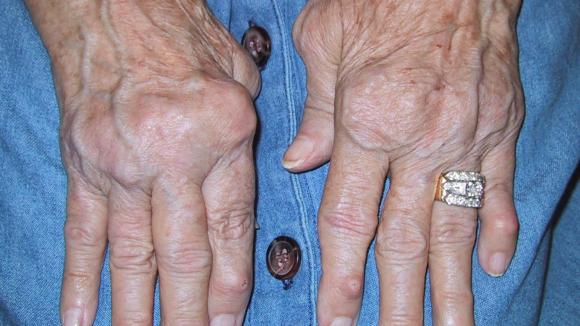
Dr. Jack Cush reviews the news and journal articles from the past week on RheumNow.com

A randomized controlled trial shows that chronic low-dose naproxen does not reduce progression of presymptomatic Alzheimer disease (AD).

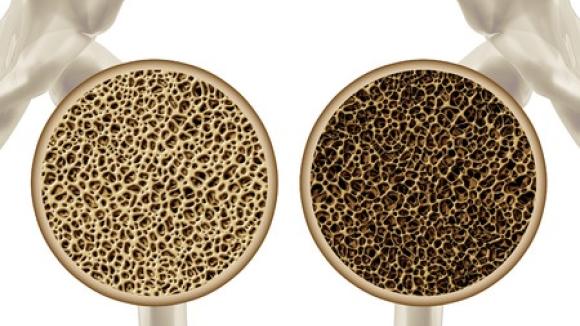
The Annals of Internal Medicine reports a metanalysis done to examine the optimal length of long-term osteoporosis drug treatment (ODT) and whether harms are associated with long-term ODT and while the ODT benefits are clear, the risk of rare harms and need for drug holidays is less certain. 
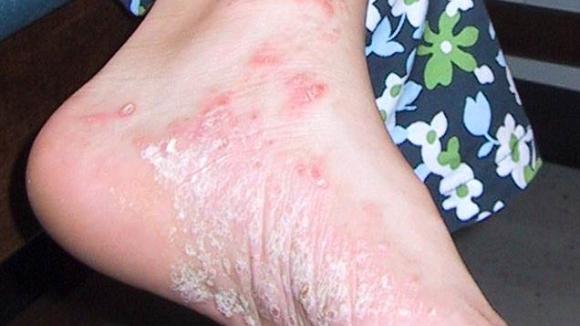
AbbVie has announced that the US FDA has granted the approval of Skyrizi (risankizumab-rzaa) for the treatment of moderate to severe plaque psoriasis.
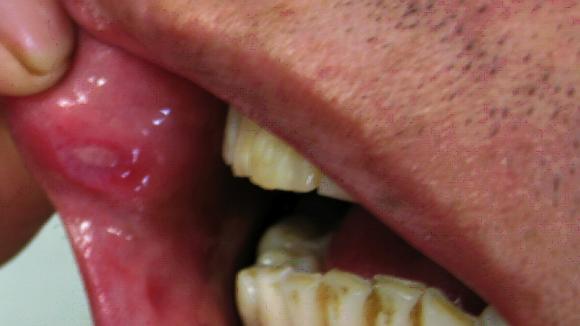
A small prospective study has shown that ustekinumab is safe and effective in Behçet's disease (BD) with recurrent oral ulcers (OU).
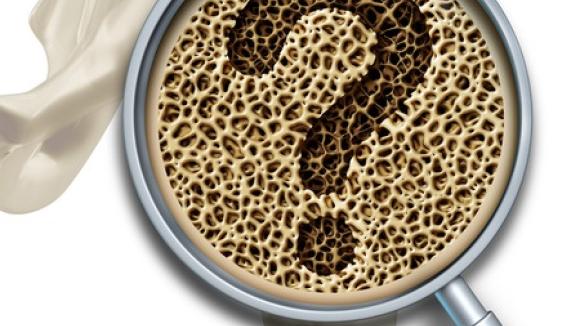
In October 2018, the National Institutes of Health (NIH) convened a workshop to address the "Appropriate Use of Drug Therapies for Osteoporotic Fracture Prevention"
A longitudinal study of systemic lupus erythematosus (SLE) from the Toronto Lupus Clinic has shown that mortality has decreased over time.
Patients with RA, but without CV disease, who were treated with atorvastatin appeared to experience cardiovascular (CV) benefits similar to what has been observed in other populations, with a risk reduction of approximately one-third, according to a large, but prematurely terminated, trial in the
A panel of 10 sleep experts studied 20 common sleep myths and found little or no evidence in support of these beliefs.
Sleep issues are highly prevalent among US adults, but few admit to it or do anything to manage it.

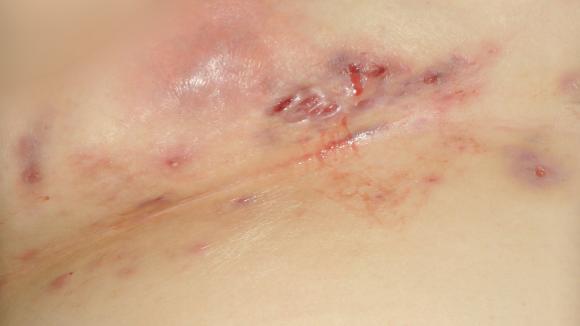
JAMA Dermatology reports that patients with hidradenitis suppurativa have significantly more comorbidities than do patients with psoriasis.
Dr. Jack Cush reviews the news and journal articles from the past week on RheumNow.com.
A study of patients undergoing arthroscopic rotator cuff repair shows that corticosteroid injections in the month prior to surgery are associated with a significantly increased risk of surgical site infection.
A study from the British Society for Rheumatology Biologics Register (BSRBR-RA) demonstrates that polypharmacy is a predictor of lower treatment responses and more serious adverse events (SAEs) in rheumatoid arthritis (RA) patients.
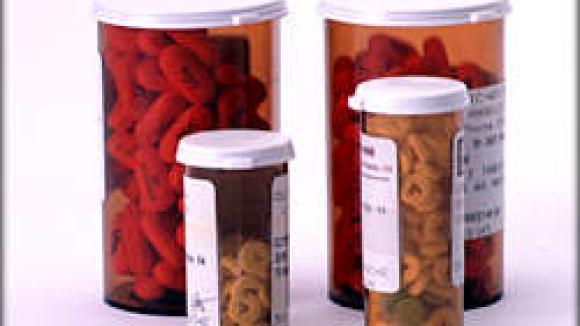
The goal of SLE treatment is remission or low disease activity and flare prevention. Hydroxychloroquine is recommended in all patients with lupus, at a dose not exceeding 5 mg/kg real body weight. Glucocorticoids (GC) should be minimised to less than 7.5 mg/day (prednisone equivalent). Appropriate initiation of immunomodulatory agents (methotrexate, azathioprine, mycophenolate) can be tailored to the clinical scenarios and may allow for tapering or discontinuation of GC.
By downloading this material, I acknowledge that it may be used only for personal use and personal education and that I will accredit RheumNow.com as the source and owner of this material. Commercial use or mass reproduction of this material without permission from RheumNow (info@rheumnow.com) is prohibited.

