Patients with rheumatoid arthritis (RA) who were obese were significantly less likely to remain on treatment with tumor necrosis factor (TNF) inhibitors -- but so were those who were underweight, a large, long-term study determined.
Compared with patients with normal weight, patients in obesity class II, whose body mass index (BMI) was 35 to 39.9, had a hazard ratio for shorter drug survival (i.e., the drug's effectiveness, safety, and tolerability) of 1.28 (95% CI 1.06-1.54), while those in obesity class III, whose BMI exceeded 40, had a hazard ratio of 1.67 (95% CI 1.29-2.18), according to Sytske Anne Bergstra, PhD, of Leiden University Medical Center in the Netherlands, and colleagues.

All News
The IMMerge trial has demonstrated the superiority of interleukin (IL)‐23 over IL-17A inhibition adults with plaque psoriasis.
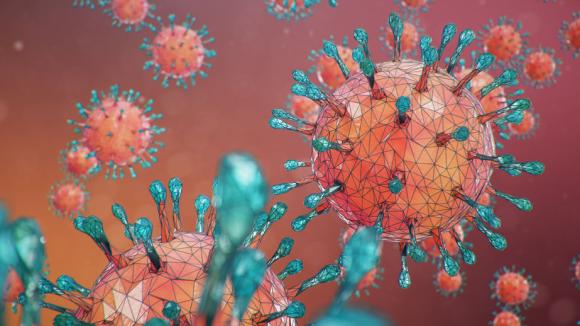
Inflammatory events following infection with SARS-CoV-2 can often worsen the morbid or mortal outcomes with COVID, yet it has been unclear if glucocorticoids may modulate inflammation-mediated damage and lung injury. The RECOVERY trial reports that dexamethasone (DEX) use lowered 28-day mortality among COVID-19 patients requiring respiratory support.
The RECOVERY trial was performed in the UK and enrolled hospitalized COVID-19 patients who were randomly assigned patients to usual care alone or the addition of oral or intravenous dexamethasone (at a dose of 6 mg once daily) for up to 10 days. The primary outcome was 28-day mortality.
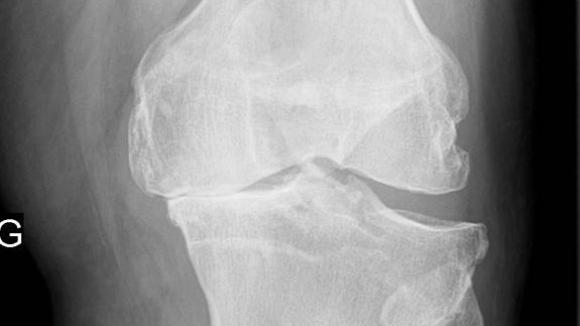
Pain management in knee osteoarthritis (OA) is confounded by studies showing less is equal to usual standards of care. A recent trial showed that meloxicam was superior to placebo or cognitive behavioral therap (CBT); although the differences were small.
Hydroxychloroquine (HCQ) helped reduce recurrent maternal autoantibody-mediated congenital heart block (CHB) in fetuses, an open-label study suggested.
Since the onset of the COVID-19 pandemic numerous anti-rheumatic therapies have been proposed as being potentially beneficial. The mechanistic effects of these agents, either presumed antiviral, anti-inflammatory and anti-thrombotic effects, may benefit mitigate the damage seen with COVID-19 infection.
This review will examine the potential benefits and existing evidence for treating suspected or proven COVID-19 infection with antimalarials, inhibitors of interleukin-6 (IL-6) or interleukin-1 (IL-1) Janus kinase (JAK) inhibitors, TNF inhibitors or colchicine. There are many other antirheumatic and immunosuppressive therapies that are in clinical trials that will not be reviewed here including IVIG, rituximab, calcineurin inhibitors (sirolimus, etc.), apremilast, emapalumab (anti-IFN gamma), etc.
The oral Janus kinase (JAK) inhibitor upadacitinib (Rinvoq) given as monotherapy was more effective than methotrexate alone in methotrexate-naive patients with active rheumatoid arthritis (RA) in a multinational phase III trial.