
Article
Dr. Jack Cush reviews highlights from the past week on RheumNow.com:

Search for Terms or Answers
Dr. Jack Cush reviews highlights from the past week on RheumNow.com:

Joint arthroplasty has grown into a billion dollar industry worldwide. However, optimal timing and the success of total joint replacements in younger patient groups has not been well studied.
Biosimilar reports is an ongoing series dedicated to advances, discussions and developments in biosimilar agents intended for use by rheumatologists. Many of these items were compiled from news sources, journal articles and regulatory documents and are cited and linked within each section.

Dr. Jack Cush reviews this week's news and information from the 2017 RWCS meeting in Maui.
Baricitinib is a novel inhibitor of Janus kinases JAK1 and JAK2 that has been extensively studied in rheumatoid arthritis (RA). Baricitinib (AKA Oluminant) was recently approved by the EMA for use in Europe at a once daily dose of 4 mg per day.
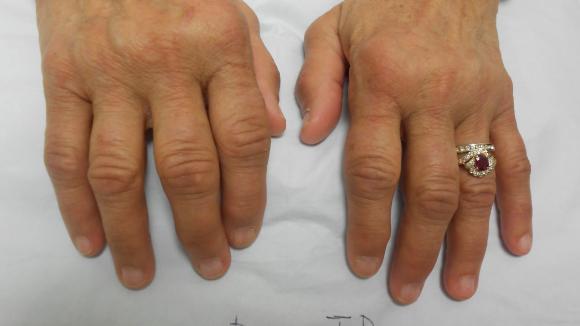
Since its US approval in 2012, tofacitinib has become a widely used treatment for rheumatoid arthritis (RA).
Whether you're impressed with its efficacy, or distressed with its side effects, its track record is voluminous and has been recently reviewed.

Oligoarticular-onset juvenile idiopathic arthritis accounts for nearly half of all JIA patients. While many of these children will require DMARD therapy, many others are treated with antiinflammatory meds or intra-articular corticosteroids. But the evidence for this latter approach is scant.

Dr. Jack Cush reviews this week's highlights from RheumNow.

Prior to the biologic era, nonsteroidal antiinflammatory drugs (NSAIDs) were the mainstay of drug therapy in thos with spondyloarthritis (SpA) and ankylosing spondylitis (AS). Their role in the modern era has changed and the claims for efficacy have varied.

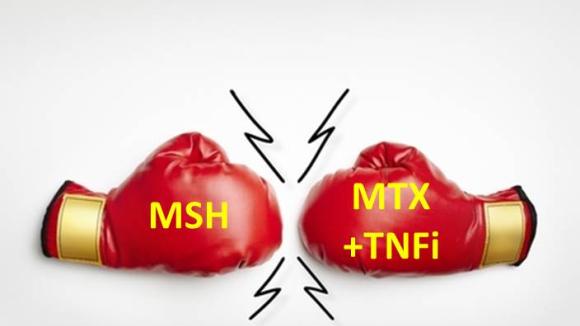
There are several trials that test the efficacy and safety of combination tumor necrosis factor inhibitor (TNFi) plus methotrexate against triple therapy (methotrexate plus hydroxychloroquine plus sulfasalazine) in patients with rheumatoid arthritis.
A JAMA article presents the US Public Health Task Force review of OSA testing.

A study published in The BMJ shows that financial ties between researchers and companies that make the drugs they are studying are independently associated with positive trial results; thereby questioning the bias in these objective trials.

Dr. Jack Cush reviews highlights from the past week on RheumNow.

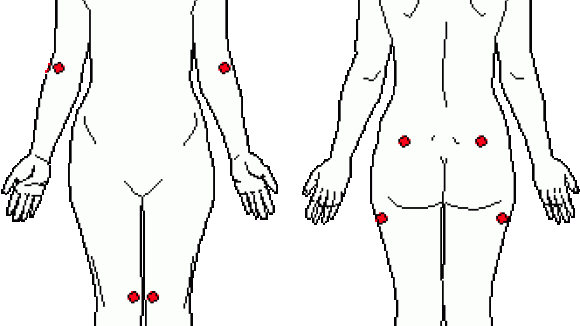
The European League Against Rheumatism (EULAR) recommendations for fibromyalgia (FM) management were published in 2007 and largely had recommendations based on expert opinion’. These guidelines were updated in May of 2015 after a systematic reviews and meta-analyses of the data.
IL-1β, along with pancreatic insulin, helps regulate blood sugar levels, as well as chronic inflammation.
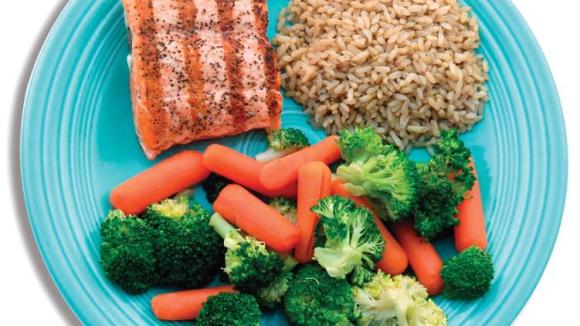
A randomized trial of 537 knee osteoarthritis (OA) patients in the Duke Healthcare system has shown that patient- and provider interventions were no better than the usual standard of care.

Rituximab has significantly changed the management of patiehts with ANCA-associated vasculitis (AAV). Yet the longitudinal assessment of such patients needs to be guideded by clinical and laboratory parameters.
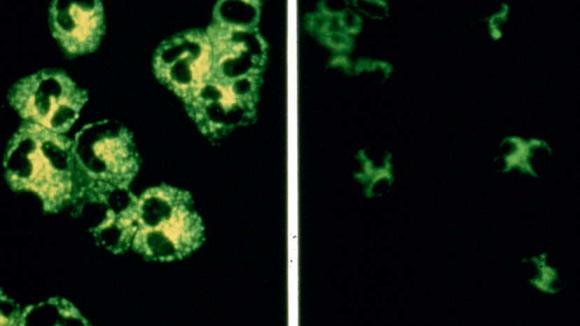
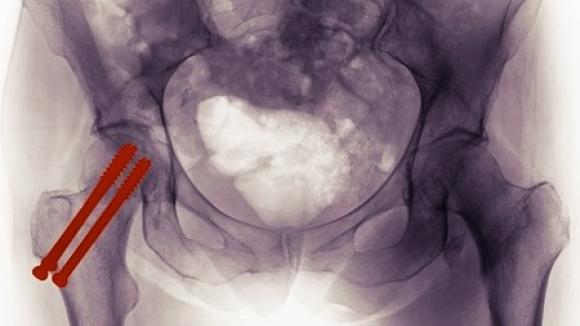
The association between the use of proton pump inhibitors (PPIs), osteoporosis (OP) and OP-related fragility fractures has been a topic of ongoing discussion in rheumatology community.
Dr. Jack Cush reviews highlights from this past week on RheumNow.com:
A study of 90 consecutive male (50.3±11.1 years) with psoriatic arthritis (PsA) were were compared to 240 age matched controls without known cardiovascular (CV) diseases who underwent angiography for chest pain and/or multiple CV risk factors.
By downloading this material, I acknowledge that it may be used only for personal use and personal education and that I will accredit RheumNow.com as the source and owner of this material. Commercial use or mass reproduction of this material without permission from RheumNow (info@rheumnow.com) is prohibited.

