Article
All News

Article
Dr. Philip Mease, MD presented the long-term efficacy and safety data for secukinumab in psoriatic arthritis (PsA) at the ACR Annual meeting in Washington, DC.

Article
The PRECISION trial was published this week in the NEJM, presented at the Cardiology meetings in New Orleans, and presented today by Dr. Daniel Solomon at the 2016 ACR annual meeting in Washington, D.C. (citation source http://buff.ly/2fUmoqO)

Article
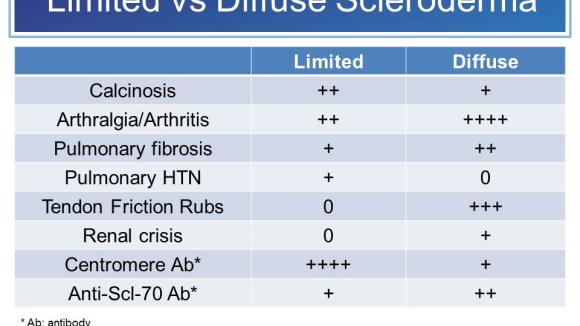
Diffuse cutaneous systemic sclerosis (dcSSc) is one of the most difficult autoimmune diseases to treat. In case of major organ involvement (lung, kidney), prognosis is poor and treatment options are limited.
Article
Tocilizumab is in the spotlight at this year’s ACR 2016 meeting but there is still much to learn, including more about its safety profile. In an abstract presented at today’s poster session (Abstract 2618), Morel, et al.
Article
It is well known that ANCA-associated vasculitides can be hard to control and relapses are common. The choice of maintenance therapy is rather limited and therapies are not always effective.

Article
On Monday, November 13, there were two new presentations at the annual ACR 2016 meeting on new biologics seeking approval for use in polyarticular juvenile arthritis.
Article
The PRECISION study will be presented on Tuesday, November 15, 2016 by Dr. Elaine Husni from the Cleveland Clinic. This report brings to a climax the controversy ignited by the February 2005 3 day FDA Arthritis Advisory Committee review of the safety of the blockbuster COX-2 inhibitors, celecoxib, rofecoxib, and valdecoxib.
Article
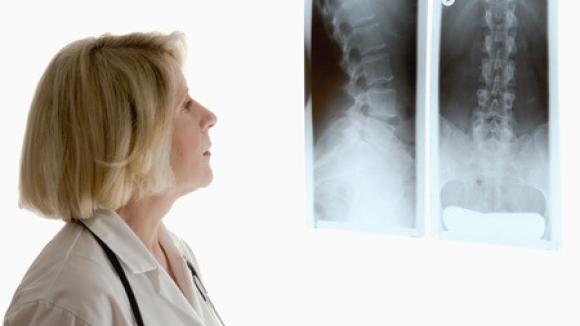
The International Osteoporosis Foundation has established the Chronic Inflammation and Bone Structure (CIBS) Working Group to address bone loss in rheumatoid arthritis (RA) and the role of biologic therapies. They conclude that early and aggressive treatment with biologic disease-modifying anti-rheumatic drugs will help prevent progressive bone loss in patients with RA.
Article
RA increases CV risk considerably. But whose responsibility is it to manage CV risk in RA patients?

Article
The rising incidence of gout has been directly linked to the obesity epidemic. The influence of obesity on gout was further tested in a cohort study of obese patients undergoing bariatric surgery as part of the Swedish Obese Subjects (SOS) study.

Article
Rituximab (RTX) is a monoclonal antibody directed against the CD20 antigen on B cells and when administered causes a marked depletion of CD20+ B cells.

Article
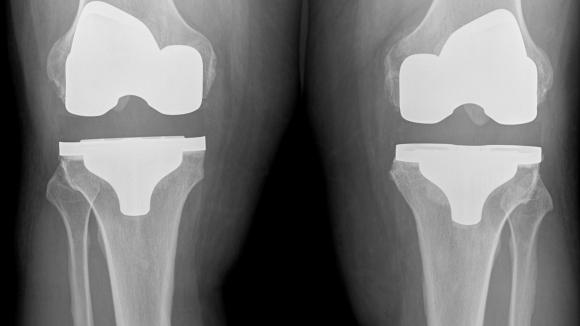
This metanalysis from 2013 reports on an important issue for orthopedists and rheumatologists alike. The issue being in those who need bilateral total knee arthroplasty, is it better to do both knees at once or to do one at a time (staged, serial) arthroplasties..
Article
ClinicalTrials.gov has listed the results of the POSTURE study, a large randomized placebo-controlled trial wherein apremilast was found to yield no benefit (compared to placebo) in treating ankylosing spondylitis (AS) (32.5% vs. 36.6% ASAS20 at week 16) patients.

Article
It has been long known that rheumatoid arthritis is associated with an increased mortality rate, especially in seropositive patients and those with extraarticular manifestations.

Article
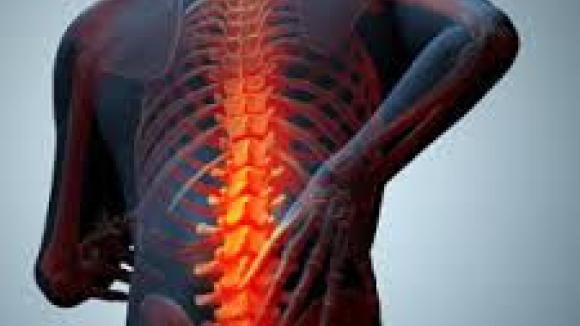
Low back pain (LBP) is a highly prevalent public health problem. Not surprisingly, imaging of LBP is also an expensive and often overused diagnostic tool.
Article
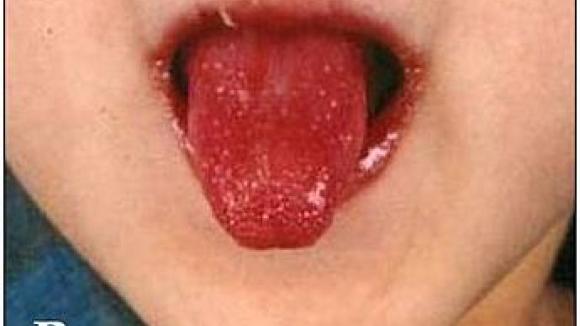
The current JAMA Pediatrics issue has published a report showing that adjunctive corticosteroid therapy yielded significantly fewer coronary artery complications compared with intravenous immunoglobulin therapy alone, particularly among high-risk patients with Kawasaki disease.
Article
Most women with systemic lupus erythematosus (SLE) have no or little disease activity during pregnancy, but experience greater disease activity or overt flares during the first year postpartum, a Norwegian study has found.

Article
Researchers from the University of British Columbia reported on their systematic review and meta-analysis of risk of herpes zoster (HZ) in patients receiving biologics, DMARDs and/or corticosteroids for autoimmune diseases.

Article
A Lancet meta-analysis has reviewed the preventative effects of low-molecular-weight heparin (LMWH) on placenta-mediated pregnancy complications include pre-eclampsia, late pregnancy loss, placental abruption, and birth of a small-for-gestational-age (SGA) neonate.