
Article
Dr. Jerome Greenberg from UCLA has published 10 tips and pearls (based on years of teaching and experience) on immunizations in an out-patient practice:

Search for Terms or Answers
Dr. Jerome Greenberg from UCLA has published 10 tips and pearls (based on years of teaching and experience) on immunizations in an out-patient practice:

The International Osteoporosis Foundation has established the Chronic Inflammation and Bone Structure (CIBS) Working Group to address bone loss in rheumatoid arthritis (RA) and the role of biologic therapies. They conclude that early and aggressive treatment with biologic disease-modifying anti-rheumatic drugs will help prevent progressive bone loss in patients with RA.

RA increases CV risk considerably. But whose responsibility is it to manage CV risk in RA patients?

Flu season is upon us. While we try our best to vaccinate as many patients as possible, at times it can be challenging for reasons ranging from patient’s perceptions that the vaccine gives them the flu to others stating they are allergic to vaccine components.

Dr. Jack Cush reviews highlights and reports from this week on RheumNow.com, including drug-induced cutaneous lupus, pediatric lupus being worse, new gout drug SEL-12, Gut microbiome and IgA plasmablasts, and the weakly-received new ACP guidelines on gout.

The opioid abuse epidemic is well known and the focus of many regulators and health care personnel. The problem also affects the youngest Americans, according to a recent Washington Post article.

ACP released clinical practice guidelines for the diagnosis and management of gout. Interestingly, these are not always aligned with the 2012 ACR gout guidelines.
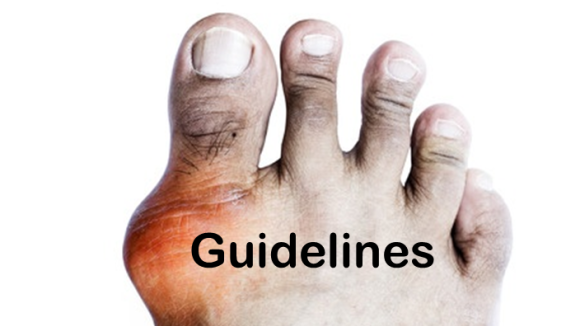
The Wall Street Journal has reported an alarming trend in generic drug pricing that affects many, especially the elderly and those with arthrtis.

The MMWR has reported that Crohn’s disease and ulcerative colitis, collectively known as inflammatory bowel disease (IBD), previously (1999) had an estimated 1.8 million (0.9%) prevalence. But as of 2015, an estimated 3.1 million (1.3%) of U.S.

Using population based data, researchers found a 10 fold increase prevalence of SSc in first degree relatives. That equates to a relative risk of 81. Genetic factors appear to be important in the risk for scleroderma.
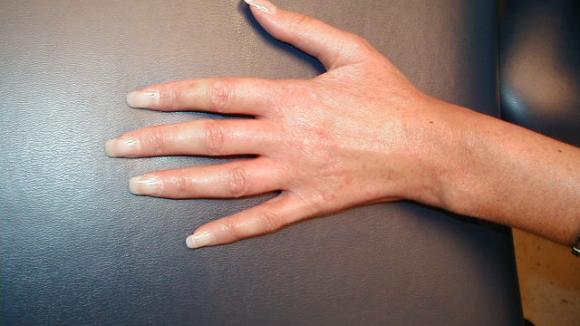
ClinicalTrials.gov has listed the results of the POSTURE study, a large randomized placebo-controlled trial wherein apremilast was found to yield no benefit (compared to placebo) in treating ankylosing spondylitis (AS) (32.5% vs. 36.6% ASAS20 at week 16) patients.

Low back pain (LBP) is the fifth most common reason for all physician visits in the United States and nearly 25% of all U.S. adults have had LBP in the last 3 months and nearly 6% reported at least 1 episode of severe acute low back pain in the last 1-year.

Low back pain (LBP) is a highly prevalent public health problem. Not surprisingly, imaging of LBP is also an expensive and often overused diagnostic tool.

The Washington Post recently interviewed Dr. Eliza Chakavarty of the OMRF about the evolution in attitudes and outcomes of lupus women who wish to get pregnant.

The results of the Nor-Switch study were presented at the United European Gastroenterology annual congress this week demonstrating no significant difference in effect, adverse effects or antibody formation in patients switched from Remicade to the biosimilar infliximab (CT-P13, Remsima).

Pfizer has announced it will ship its new FDA-approved biosimilar, Inflectra, in late November and that it will be priced at a15 percent discount to current wholesale prices.

A Lancet meta-analysis has reviewed the preventative effects of low-molecular-weight heparin (LMWH) on placenta-mediated pregnancy complications include pre-eclampsia, late pregnancy loss, placental abruption, and birth of a small-for-gestational-age (SGA) neonate.
Dr Jack Cush reviews highlights from the news and journal articles appearing this week on RheumNow.com:
A recent article published by the American Academy of Ophthalmology presented new recommendations for screening of patients being managed with hydroxychloroquine that changed the previous monitoring paradigm. More importantly, it has repositioned hydroxychloroquine from one of the safest medications that rheumatologists use to a drug that can have potentially significant ocular morbidity (if used in doses greater than 5 mg per kilogram and or for prolonged periods of time).

The risk of developing ankylosing spondylitis (AS) if you are HLA-B27+ and a first degree relative is often said to be 20%.
By downloading this material, I acknowledge that it may be used only for personal use and personal education and that I will accredit RheumNow.com as the source and owner of this material. Commercial use or mass reproduction of this material without permission from RheumNow (info@rheumnow.com) is prohibited.

