In this video, Michelle Petri, MD, director of the Hopkins Lupus Center at Johns Hopkins University, discusses recent successes and challenges in the treatment of systemic lupus erythematosus, with clinical trials results ranging from "wildly positive" to "completely negative."

All News
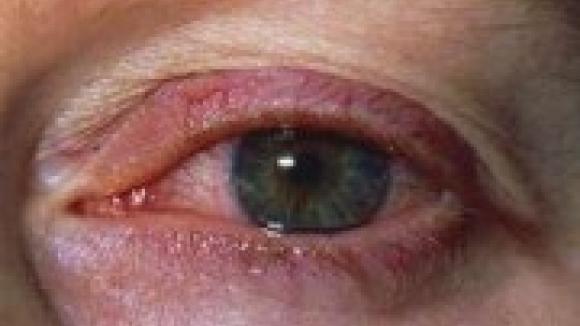
A recent article published by the American Academy of Ophthalmology presented new recommendations for screening of patients being managed with hydroxychloroquine that changed the previous monitoring paradigm. More importantly, it has repositioned hydroxychloroquine from one of the safest medications that rheumatologists use to a drug that can have potentially significant ocular morbidity (if used in doses greater than 5 mg per kilogram and or for prolonged periods of time).
The risk of developing ankylosing spondylitis (AS) if you are HLA-B27+ and a first degree relative is often said to be 20%.
Aromatase inhibitors (AI) are often given in the setting of estrogen receptor-positive (ER+) breast cancer therapy.
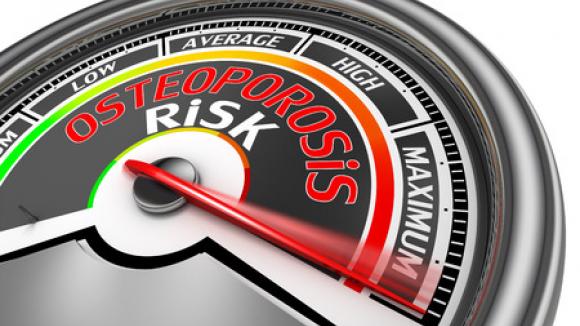
The International Osteoporosis Foundation (IOF) reports that nearly 80% of those who have already suffered a broken bone due to osteoporosis remain unprotected against the risk of further disabling fractures.
Symptoms attributed to chronic Lyme disease are the bane of a rheumatologist’s existence. We often see patients referred for a variety of nonspecific complaints that do not resolve after antibiotic therapy, including the so-called post-Lyme disease syndrome.
BMJ has reported the results of a case-control study that analyzed the risk of hospitalization from heart failure associated with the use of NSAIDs amongst healthcare databases from four European countries (the Netherlands, Italy, Germany, and the United Kingdom).
A recent review has shown that tumor necrosis factor-α inhibitors (TNFi) rarely cause MS-like disorders.
The osteoporsis therapeutics arena is starting to fill with new drugs and novel mechanisms of action.
The Sept.16th issue of MMWR reports that many Americans over age 50 are not getting sufficient exercise, thereby increasing their risk for falls, fractures and comorbidities, if not premature death. (Citation source http://buff.ly/2cPAcq9)
In the current issue of the NEJM, a Herpes zoster subunit vaccine was reported to be highly effective in adults - specifically in 2 studies (ZOE50 and ZOE70) targeting adults over age 50 and over age 70 years. (Citation source: http://buff.ly/2cMng17)
Rheumatologists may encounter patients with intermediate, posterior and pan-uveitis as part of certain rheumatic diseases such as Behcet’s, but more frequently may be called on to co-manage these patients with steroid sparing agents.
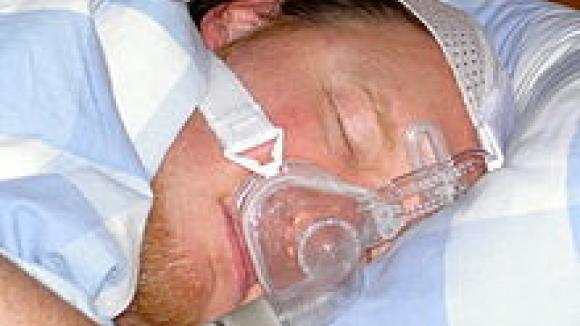
There are numerous health hazards associated with obstructive sleep apnea (OSA), including an increased risk of cardiovascular events.
Dr. Jack Cush reviews highlights from this week in RheumNow:
Disease flares are common in rheumatoid arthritis (RA), often causing patients to seek additional care, if not medication.
The frequency of flares varies amongst studies in different populations. But the consequence of flares has only recently been studied.
Current guidelines regarding the use of biologics in patients who have previously had a malignancy are based more on opinion than evidence.
Is the occurrence of a fragility fracture a missed opportunity to reduce exposure to prescription drugs associated with fracture risk?
Researchers from Germany have analyzed their large prospective rheumatoid arthritis (RA) registry to address whether being on biologic therapies leads to poorer outcomes - namely sepsis or death, following a serious infection (SIE).
Dr. Cush reviews the RheumNow.com highlights in rheumatology for the week ending 19 August 2016.
The goal in rheumatoid arthritis (RA) treatment is remission. But what level or method of remission is best?