
Article
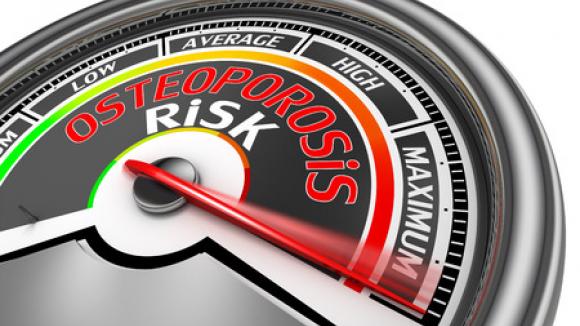
The International Osteoporosis Foundation (IOF) reports that nearly 80% of those who have already suffered a broken bone due to osteoporosis remain unprotected against the risk of further disabling fractures.

Search for Terms or Answers
The International Osteoporosis Foundation (IOF) reports that nearly 80% of those who have already suffered a broken bone due to osteoporosis remain unprotected against the risk of further disabling fractures.
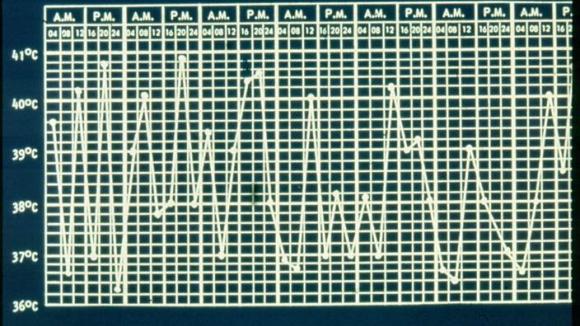
The diagnosis of periodic fevers is unified by undiagnosed but recurrent fever. Unfortunately the diagnosis of these disorders is hampered by their infrequency, protean features and a lack of clear criteria. Even more problematic is knowing who should be tested and for which monogenic marker?

Dr. Jack Cush reviews highlights from the journals and news this week on RheumNow.com.

The October 7th edition of MMWR reports that severe joint pain (SJP) has significantly risen from 10.5 million in 2012 to 27.2% in 2014, based on recent NHIS surveys.
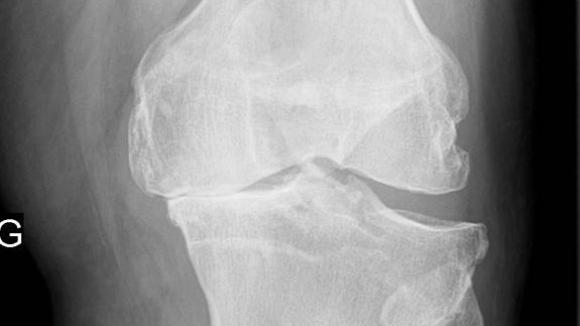
Muscle involvement in immune-mediated necrotizing myopathy (IMNM) was more extensive compared with other inflammatory myopathies, according to a retrospective chart review.

Children with juvenile idiopathic arthritis (JIA) treated with biologic therapies were at no higher risk for hospitalized infections than those treated with methotrexate alone, But, higher rates were seen with anakinra in systemic JIA.
Symptoms attributed to chronic Lyme disease are the bane of a rheumatologist’s existence. We often see patients referred for a variety of nonspecific complaints that do not resolve after antibiotic therapy, including the so-called post-Lyme disease syndrome.

Three new FDA approvals, proteomics, cancer, infectious risk, nonadherence and disappointing clinical trial results covered in this RheumNow Week in Review.
BMJ has reported the results of a case-control study that analyzed the risk of hospitalization from heart failure associated with the use of NSAIDs amongst healthcare databases from four European countries (the Netherlands, Italy, Germany, and the United Kingdom).
A year ago, physicians panicked with a new and formidable change in practice called ICD-10. This newer and more complex coding system had the angst of Y2K and nearly as much true trouble - largely because of the "relaxed" stance taken by CMS with its introduction.

Rates of serious infection and mortality among patients with systemic lupus erythematosus (SLE) did not depend on the immunosuppressive drug regimen they were on, investigators reported.

Ilaris was previously approved for use in systemic JIA and CAPS. The FDA has expanded this to include TRAPS, Hyper-IgD and FMF based on clinical trials.
Romosozumab is being developed as a novel therapy for osteoporosis. It is a monoclonal antibody that binds sclerostin, and has been shown to increase bone formation while decreasing bone resorption.

2016 has been a big year for biosimilars in rheumatology.

The anti-IL-12/IL-23 inhibitor, Stelara (ustekinumab) has been FDA approved for the treatment of psoriasis and psoriatic arthritis. In the last week, the EMA's CHMP has recommended that the drug also be approved for use in Crohn's disease.

Who makes billions in profits and millions in bonus monies? PBMs and insurers, thats who.
This week United Healthcare and Express Scripts announced new plans to restrict patient and prescriber access to popular, expensive, albeit FDA-approved, medications and biologics.
Who benefits, who loses?

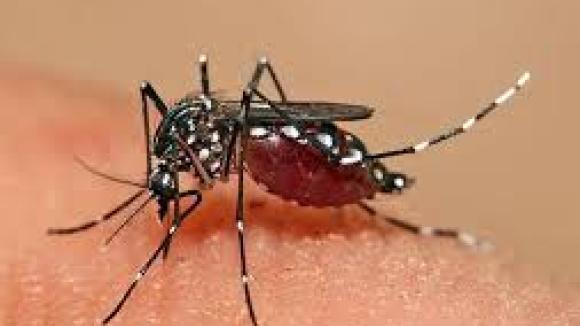
What does sex have to do with it? Although the Zika virus infection is known to be sexually transmitted, the same cannot be claimed for Dengue or Chikungunya.
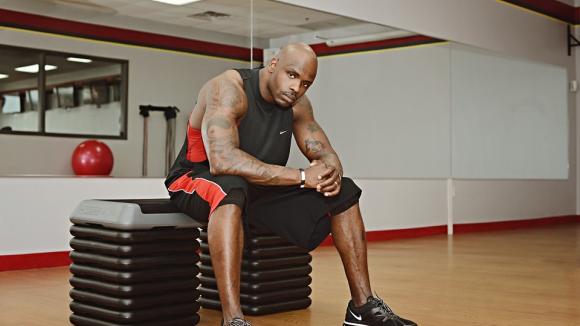
JAMA has reported the results of a 24-month trial showing that obese individuals on a long-term healthy diet and exercise program do not have significantly more weight loss from using a wearable device that tracks their activity.
A review of this week's news including the cost of opioid abuse, a RTX biosimilar, a new drug for scleroderma, a new shingles vaccine and a CPAP disappointment.
The Sept.16th issue of MMWR reports that many Americans over age 50 are not getting sufficient exercise, thereby increasing their risk for falls, fractures and comorbidities, if not premature death. (Citation source http://buff.ly/2cPAcq9)

By downloading this material, I acknowledge that it may be used only for personal use and personal education and that I will accredit RheumNow.com as the source and owner of this material. Commercial use or mass reproduction of this material without permission from RheumNow (info@rheumnow.com) is prohibited.

