Comorbidities are common in patients with axial spondyloarthropathy (axSpA), and a recent study has shown that multimorbidity, the coexistence of 2 or more conditions, is associated with more severe disease than those without comorbidities.

All News
The NEJM reports the results of a one year trial wherein ustekinumab (UST) was shown to be effective at inducing and maintaining remission in patients with moderate-to-severe ulcerative colitis. Ustekinumab, currently approved for use in psoriasis, psoriatic arthritis and Crohn's disease, is a monoclonal antibody against the p40 subunit of interleukin-12 and interleukin-23.
Braaten and colleagues from Johns Hopkins School of Medicine have reported their experience with chronic inflammatory arthritis induced by immune checkpoint inhibitor therapies, showing that in some, inflammatory arthritis persists after the immunotherapy has been discontinued.
A systematic review in PLOS suggests that parenteral MTX therapy is more successful than oral MTX in achieving optimal disease activity control.
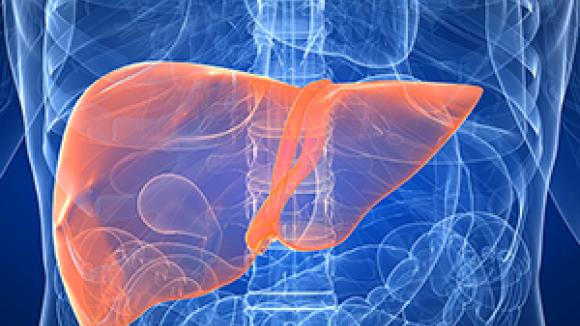
Gut has published population results from NHANES population study showing that the prevalence of fatty liver disease is rising in the US and is driven by obesity and diabetes.
The FDA convened Arthritis Advisory Committee to consider nintedanib for the treatment of systemic sclerosis-associated interstitial lung disease (SSc-ILD) and voted 10-7 in favor of approving the drug for this new indication.
The comparative risk for gastrointestinal bleeding (GIB) with non-vitamin K antagonist oral anticoagulants (NOACs) was compared to vitamin K antagonists or anti-platelet agents in a recent metanalysis, which showed no significant difference in major GIB events between these agents.
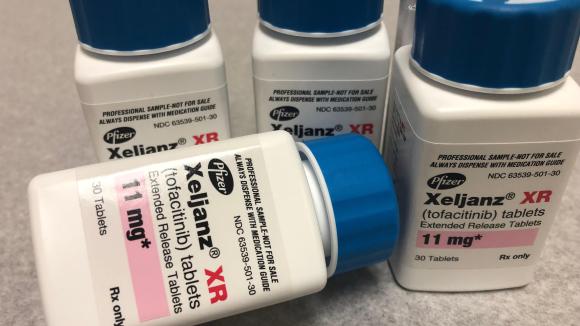
The Pharmacovigilance Risk Assessment Committee of the European Medicines Agency issued recommendations limiting the use of Xeljanz (tofacitinib) 10 mg twice daily in patients with ulcerative colitis in the EU.
The new recommendations are temporary while PRAC undertakes a review of all available evidence on the safety and efficacy of tofacitinib. The review follows warnings of an increased risk of pulmonary embolism (PE) and death from the U.S. Food and Drug Administration based on Pfizer's large post-marketing safety study (in high risk rheumatoid arthritis patients with one or more underlying cardiovascular risk factors) wherein those receiving in tofacitinib 10 mg twice daily in study A3921133 had more PE and mortalities than comparator groups (tofacitinib 5 mg bid or adalimumab).
The FDA has published an industry guidance document to define interchangeability as regards to biosimilar use in the United States under section 351(k) of the Public Health Service Act (PHS Act) (42 U.S.C. 262(k)).
The JAAD has published joint guidelines from the American Academy of Dermatology (AAD) and National Psoriasis Foundation (NPF) on the approach, management and dermatolgist roles for select comorbid conditions.
Dr. Jack Cush reviews the news and journal reports from the past week on RheumNow.com:
Silverman and colleagues have published their study of the fecal microbiome of systemic lupus erythematosus (SLE) patients and found roughly five times more gut bacteria known as Ruminococcus gnavus, and that these abnormalities in microbiota can correlate with measures of disease severity i
Pfizer has issued a press release regarding the safety of tofacitinib, citing higher rates of pulmonary embolism and death associated with the use of higher dose tofacitinib 10mg bid in rheumatoid arthritis (RA) patients treated in a long-term safety trial.
Dr. Jack Cush reviews new journal articles, news reports, and more from the past week on RheumNow.com.
The interleukin-23 (IL-23)/IL-17 axis plays an important role in inflammation and infection. Some of these chronic immune-mediated inflammatory disorders include PsO, PsA, AS, and IBD. Patients with PsO, PsA, and AS have up to a four-fold risk of developing IBD versus the general population.
Lee and a group of Korean investigators have analyzed the comparative safety of allopurinol and febuxostat in a small cohort of gout patients with fatty liver disease (FLD) and found febuxostat had a lower risk for hepatotoxicity (defined as AST or ALT at least 3× the upper limit of normal)
Dr Jack Cush reviews the News and Journal reports from the past week on RheumNow.com. Be sure to check out our upcoming meeting in March 2019 - RheumNow Live.
JAMA has published a large Canadian claims-based study showing that nonsteroidal anti-inflammatory drug (NSAID) use in patients with hypertension, heart failure, or chronic kidney disease was not associated with a significant safety risk - but this only looked at short-term outcomes (7-3
Some patients typically contraindicated for prescription nonsteroidal anti-inflammatory drug (NSAID) use may be able to take them with no increased risk of harm, according to a large observational study.
A population based analysis from Israel suggests that giant cell arteritis (GCA) patients may be at increased risk for inflammatory bowel diseases (IBD) mainly target.