RheumNow surveyed clinicians worldwide on how their rheumatology practice, treatment decisions, and career outlooks have changed over the past 20 years. 242 respondents (68% from the USA) shared their perspectives on the changing landscape of rheumatoid arthritis care, practice patterns, and professional development.

All News
The ACR has published a formal international consensus guidance on VEXAS as a resource for clinicians seeking to understand the disease and its management.
Dr. Jack Cush reviews the news, reports, pipeline and drug repurposing on this week’s podcast.
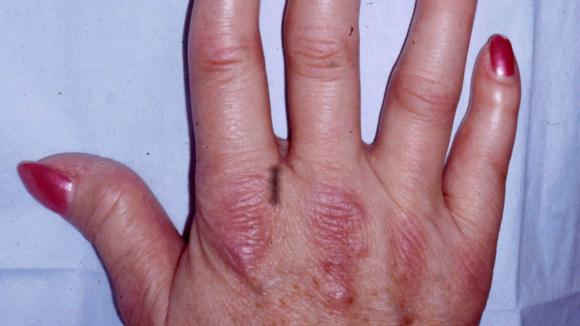
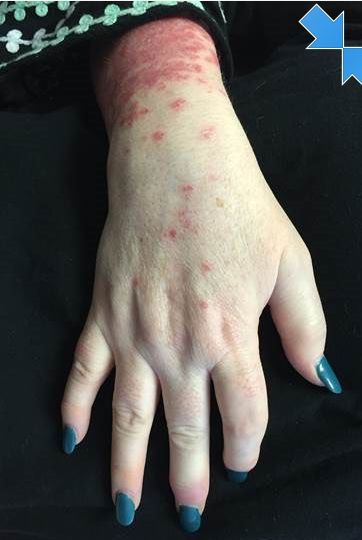
Researchers from the University of Pennsylvania have published an open-access review of dermatomyositis (DM) - its manifestations, hallmark cutaneous features, etiopathogenesis and treatment options.
The Journal of Rheumatology has published an analysis of antinuclear antibody (ANA) multiplex testing showing its nonspecific utility and poor rate of return in identifying ANA-associated autoimmune rheumatic disease (ARDs).
Sandborg et al. has published an overview of juvenile idiopathic arthritis (JIA) - its classification, biology, genetics, , clinical presentations and treatment advances in the New England Journal of Medicine (NEJM).
Dr. Jack Cush reviews the news, journal reports and a new treatment for RA from the FDA.
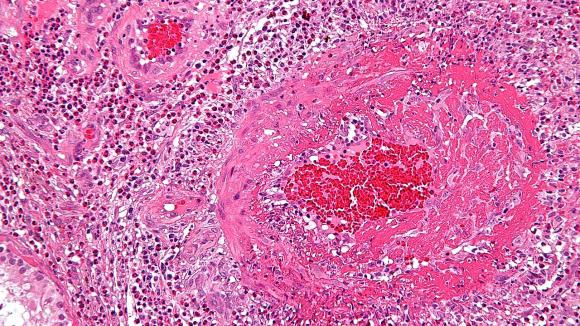
A cohort study of Eosinophilic Granulomatosis With Polyangiitis (EGPA) patients from the French Vasculitis Study Group failed to show superiority of rituximab compared to conventional strategy with glucocorticoids (GS) alone or in combination with cyclophosphamide.
HCQ Preserves Renal Function in Lupus Nephritis
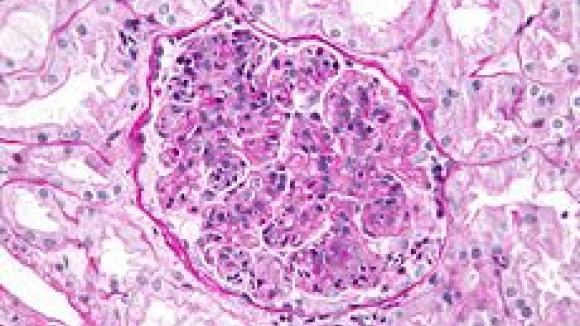
Lupus nephritis patients on long-term therapy with hydroxychloroquine showed significantly less decline in renal function, compared with patients treated otherwise, a 10-year retrospective study indicated.
Dr. Jack Cush reviews the news, journal and FDA updates from this past week on RheumNow.com.
A systematic review of anti-RNA polymerase III antibodies (ARA) in systemic sclerosis (SSc) patients finds ARA positivity in only 9% of SSc patients, but come with a higher risk of many potentially worrisome outcomes.