
Article
Dr. Jack Cush reviews the news and journal reports from the past week on RheumNow.com. This week with a focus on fingers and better prescriptive follow through.

Search for Terms or Answers
Dr. Jack Cush reviews the news and journal reports from the past week on RheumNow.com. This week with a focus on fingers and better prescriptive follow through.

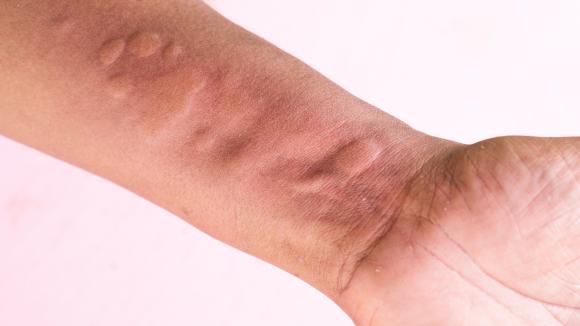
Urticarial vasculitis is rare and the causes often go undiagnosed. A Medscape recent overview highlights key features in the diagnosis and management of this rare disorder.
The results of a randomised, open-label, head-to-head trial shows that adalimumab was superior to ciclosporin in preventing uveitis relapses in patients with severe Behçet's disease.
Dr. Jack Cush reviews the news and journal reports from the past week on RheumNow.com, noting his concerns about diet, cancer, ILD, death and dosing challenges.
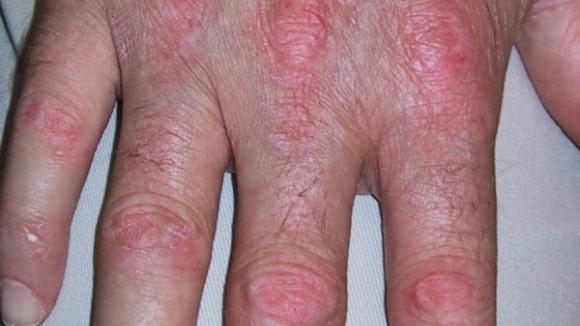
JAMA Dermatology has published a review of dermatomyositis (DM), focusing on similar and different manifestations of DM.
DM affects all races, but it has been suggested that racial and ethnic minority patients may have more severe disease and a different autoantibody profile. This analysis characterizes the clinical features and outcomes of DM in Hispanic and non-Hispanic patients.
Dr. Jack Cush reviews the news and journal reports from RheumNow.com this week.
Real-world, retrospective study of microscopic-polyangiitis (ΜPA) and granulomatosis-with-polyangiitis (GPA) patients shows that rituximab (RTX) maintenance was associated with 25% risk of relapse and that lower relapse rates was seen with RTX plus cyclophosphamide treatment.
CARRA has developed consensus treatment plans for the use of biologic disease-modifying antirheumatic drugs (bDMARDs) in patients with refractory, moderately severe juvenile dermatomyositis. Juvenile dermatomyositis is the most common form of idiopathic, inflammatory myositis in childhood, with an estimated incidence of 3.2 per million children per year in the United States.
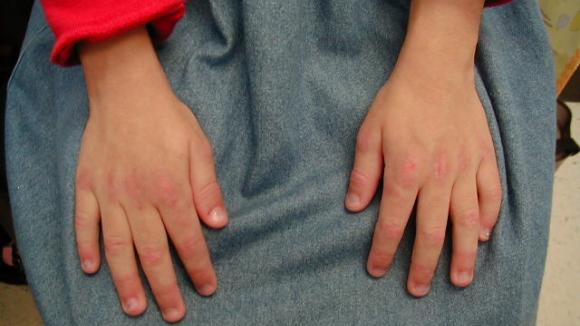
A secondary analysis of the PEXIVAS study showed antineutrophil cytoplasmic antibody–associated vasculitis (AAV) patients complicated by diffuse alveolar hemorrhage (DAH) may have improved with plasma exchange and glucocorticoids, the results did not achieve significance.
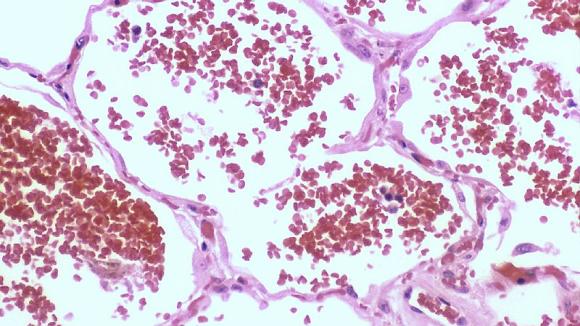
One of the most serious complications of rheumat0logic and autoimmune diseases can be prevented with biologic drugs, a single-center chart review suggested, and some such products may be more effective than others.

This week on the RheumNow Podcast, Dr. Jack Cush reviews the news and journal reports of interesting, including irAE, pollution and Psoriasis, microwave therapy, scleroderma without scleroderma that only the best rheumatologists could discern.
Medscape has published an overview to the 2024 updated recommendations for the treatment of systemic sclerosis (SSc) presented in Vienna at EULAR 2024 by Professor Francesco Del Galdo, MD, PhD on behalf of a 27 member task force.
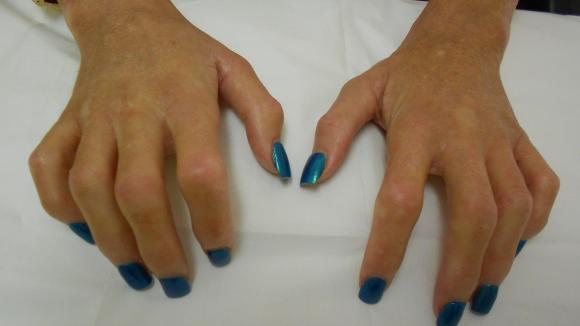
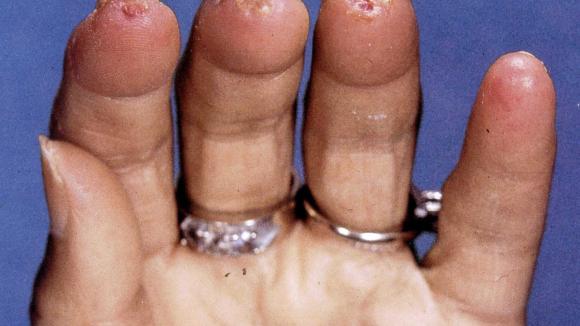
Systemic sclerosis sine scleroderma (ssSSc), which accounts for nearly 10% of systemic sclerosis (SSc) patients and was first described in 1962, is a subset of SSc.
Despite the clinical similarities and treatment differences between giant cell arteritis (GCA polymyalgia rheumatica (PMR), confusion exists regarding the impact of overlapping disorders.

Imaging is often instrumental in diagnosing and staging patients diagnosed with giant cell arteritis. A new study compared the diagnostic performance of Colour Duplex Ultrasound (CDUS), Fluor-18-deoxyglucose Positron Emission Tomography Computed Tomography and Magnetic Resonance Imaging in patients suspected of giant cell arteritis and found the CDUS had a numerically higher sensitivity (that was not statistically superior to other modalities).

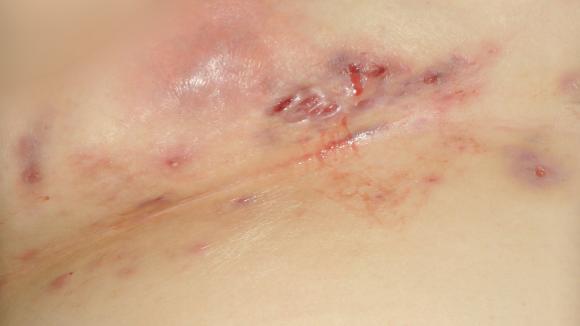
Hidradenitis suppurativa (HS) is a suppurative inflammatory skin disorder that is considered to be autoinflammatory by many. HS includes a specturm of disorders, linked by suppurative (or psoriatic) skin disease and potentially genetics. These HS-related disorders may include pyoderma gangrenosum, acne and suppurative hidradenitis, Pyogenic Arthritis, Pyoderma gangrenosum and Acne, pyogenic arthritis, PG, acne and suppurative hidradenitis, and Synovitis, Acne, Pustulosis, Hyperostosis and Osteitis, amongst others.
Autologous hematopoietic stem cell transplantation (aHSCT) for SSc has been proven the most effective treatment strategy with regard to overall and event free survival in selected patients.2 But a key limitation is its toxicity, and new treatment options are needed.
Dr. Jack Cush reviews FDA approval, news and journal articles -- and it’s the week before EULAR 2024 in Vienna!!


By downloading this material, I acknowledge that it may be used only for personal use and personal education and that I will accredit RheumNow.com as the source and owner of this material. Commercial use or mass reproduction of this material without permission from RheumNow (info@rheumnow.com) is prohibited.


