
Article
This EULAR 2018 Podcast is a compilation of audio clips from EULAR in Amsterdam.
You can also listen on iTunes, Soundcloud or Stitcher.

Search for Terms or Answers
This EULAR 2018 Podcast is a compilation of audio clips from EULAR in Amsterdam.
You can also listen on iTunes, Soundcloud or Stitcher.

We're crazy busy at EULAR all week. Instead of this review, we recommend that you tune into our multiple podcasts from experts and faculty attending EULAR 2018 in Amsterdam. You can find these on iTunes, SoundCloud or Stitcher.

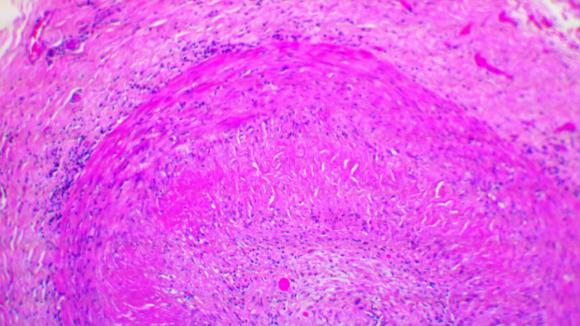
Each year I attend I hope that I’m going to come across something that changes my practice and this year, I think I may have struck gold at a session on Giant Cell arteritis at EULAR in Amsterdam.
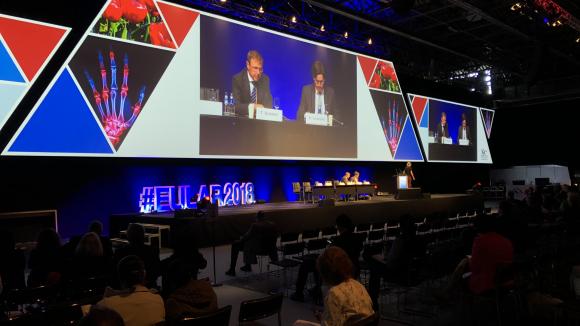
This session was an update on the management of osteoporosis given by Professor Christian Roux from France.

Highlights from Day 2 of the EULAR meeting in Amsterdam include high MBDA scores in ACPA negative RA predicts remission; characterization of difficult RA; and gender differences in psoriatic responses to TNF inhibitors.

This EULAR 2018 Podcast is a compilation of audio clips from EULAR in Amsterdam.
Not a surprise to anyone anymore, increased risk of cardiovascular disease poses a danger of significant morbidity and mortality in patients underlying inflammatory arthritides.

Biosimilars are here, and more are being registered all the time, so I was really interested in the biosimilar data at the meeting.

Highlights from the first day at EULAR include: canakinumab prevents acute gout; AS uveitis benefits from most TNFi; MRI does not improve T2Tor X-ray outcomes; baracitinib wins in SLE - maybe?; new lupus criteria; and lost survival in RA. Here's the RheumNow recap.
Dr. Jack Cush discusses the past week's news and journal articles featured on RheumNow.com - including reports on advance practice clinicians, baricitinib, gout, disease activity, hypomagnesemia and upadacitinib.

An analysis of SK&A outpatient provider files, covering 90% of physician practices in the United States, shows that between 2008 to 2016, there was a 22% increase in the employment of advanced practice clinicians (APCs) by specialty practices. By 2016, 28% of all specialty practices employed APCs.

A systematic review of prescription drug monitoring programs (PDMPs), advocated in the president's Prescription Drug Abuse Prevention Plan, fails to show evidence of efficacy in preventing nonfatal and fatal overdoses.

Dr. Jack Cush reviews this weeks reports from RheumNow.com, including the risk of autoimmunity with vaccination, early RA outcomes, new FDA approvals for certolizumab and tofacitinib and the risk of death from infection with biologics.

A meta-analysis has suggested that obesity is an under-reported predictor of inferior response to tumor necrosis factor blockade (anti-TNF) in a range of inflammatory immune-mediated inflammatory diseases (IMIDs), with the results showing a 60% risk of impaired response to anti-TNF across several

The American College of Physicians have published a position paper in Annals of Internal Medicine calling for an examination of the challenges facing women in the U.S.

Dr. Jack Cush reviews this past week's news from RheumNow.com - the risk of Cutaneous and Systemic LE, increasing flu vaccination, higher risk of VTE, MPO predictions, new drug for GIOP and CIRT - MTX in cardiovascular risk patients.

The current issue of Annals of Internal Medicine examines patterns of potential opioid misuse that are associated with subsequent adverse outcomes nationally.

Rheumatologists and rheumatology health professionals convened on Capitol Hill this week to urge legislative action on pressing policy issues affecting rheumatology care during the American College of Rheumatology’s Advocacy Leadership Conference, held May 16 -17, 2018 in Washington, D.C.

Dr. Jack Cush reviews the news and journal articles from the past week on RheumNow.com. He discusses opioids, new approval for polyarticular JIA, running and osteoarthritis, and modifiable behaviors that influence outcomes.
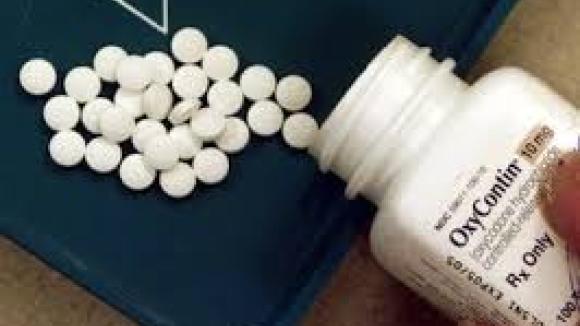
A current study in JAMA Internal Medicine showed that while US physicians who received no opioid-related marketing payments had fewer opioid prescriptions in 2015 compared with 2014, those receiving such payments wrote for more opioid in 2015.
By downloading this material, I acknowledge that it may be used only for personal use and personal education and that I will accredit RheumNow.com as the source and owner of this material. Commercial use or mass reproduction of this material without permission from RheumNow (info@rheumnow.com) is prohibited.

