
Article
New developments with the FDA and new scientific findings are adding momentum to two drugs experts believe are game-changers in osteoporosis treatment.

Search for Terms or Answers
New developments with the FDA and new scientific findings are adding momentum to two drugs experts believe are game-changers in osteoporosis treatment.
A single center study of psoriatic arthritis patients has shown that rheumatologist-judged inflammatory back pain (IBP) and criteria defining IBP may not perform well when ascertaining axial involvement in PsA patients.

A prospective study of psoriasis patients from the British Association of Dermatologists Biologic Interventions Register demonstrated that infliximab therapy yielded 2-3 times more serious infection than seen in those treated with non-biologic DMARDs or methotrexate (MTX).
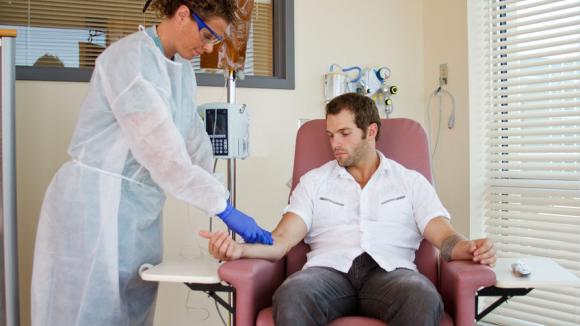
As physicians turn away from opioids, are they resorting to options that may also be unsafe?
The New York Times reports that some physicians are using the anti-inflammatory drug, Depo-Medrol, for intraspinal injections to manage painful spinal and perispinal disorders.

Interleukin-1 (IL-1) suppression helped reverse symptoms of dilated cardiomyopathy (DCM) for one patient in a case study that may implicate inflammation in the development of the condition.

Despite its exorbitant price tag and paucity of supportive clinical evidence, ACTH (corticotropin) sales have increased in the United States. A recent JAMA article examined its use by specialists and found that those who prescribe ACTH (including rheumatologists, nephrologists, neurologists) received corticotropin-related payments from the products sole manufacturer, Mallinckrod.
JAMA Internal Medicine reports that exposure to statin medications may be linked to histologically confirmed idiopathic inflammatory myositis.

Cannabis therapy is legal in 30 states in the US, and soon to be legal in Canada and Great Britian, but the US Veterans Administration continues to reject medical marijuana as a therapeutic option - even in states where it is approved.

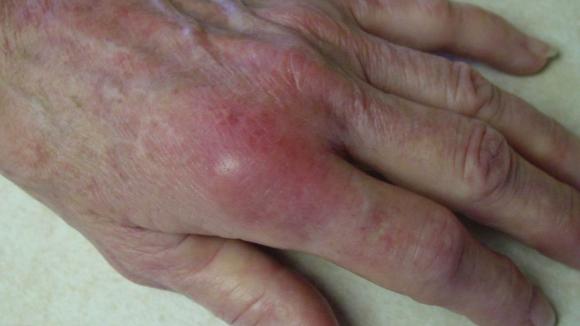
Palindromic rheumatism (PR) is an intermittent inflammatory arthropathy with episodes of arthritis and/or periarticular inflammation that wax and wane over time. It is thought that up to one-third of such patients may go on to develop rheumatoid arthritis (RA).
Dr. Jack Cush reviews the news and journal reports from the past week on RheumNow.com.

The Annals of Rheumatic Disease have published the recently developed Latin American clinical practice guidelines for systemic lupus erythematosus (SLE) addressing the best pharmacologic interventions for musculoskeletal, mucocutaneous, kidney, cardiac, pulmonary, neuropsychiatric, hemat

The majority of patients with psoriatic arthritis (PsA) who achieved a state of minimal disease activity (MDA) after 6 months of treatment with adalimumab (Humira) maintained that response through 24 months, a large observational study found.

Gout, the ancient disease of kings is usually treated with the ancient (and costly) drug colchicine, often without consideration of nonsteroidal antiinflammatory drugs (NSAID) or corticosteroids.

A consensus panel was convened to develop consensus-based clinical and therapeutic recommendations for the use of methotrexate (MTX) in the management of Juvenile Idiopathic Arthritis (JIA) patients.

The Journal of Rheumatology reports a population-based study demonstrating that gout is associated with an increased risk of developing erectile dysfunction (ED) suggesting that hyperuricemia and inflammation may be independent risk factors for ED.

Dan Wallace and colleagues report in Lancet the results of a phase II study of the selective baricitinib, an oral selective Janus kinase (JAK1 and JAK2) inhibitor, in patients with systemic lupus erythematosus, demonstrating the efficacy and safety of JAK1/2 inhibition with baricitinib as a new potential oral therapy for SLE.

Dr. Jack Cush reviews highlights from the news and social media on RheumNow.com in the past week.

Based on clinical trial data, patients starting tumour necrosis factor-alpha inhibitors (TNFi) have roughly a two-thirds chance of achieiving a good clinical response. French investigators have studied a series of potential biomarkers and surmised that the combination of baseline prealbumin, platelet factor 4 and S100A12 can predict a 78% response to TNFi in rheumatoid arthritis (RA) patients.
The progress that has been seen in the management of many aspects of rheumatoid arthritis (RA) has not been paralleled for the pulmonary disease that remains the second most common cause of death among these patients, an Australian expert reported here at the annual meeting of the Florida Society

Ambien (zolpidem) is the most widely used prescription hypnotic sedative since its introduction in 1992 and is currently the fourth most frequently prescribed psychiatric drug (2013). Recent US Food and Drug Administration Drug Safety Communications suggest limitations on use to reduce adverse effects. A study of the Medical Expenditures Survey in 2015 revealed that over 3.8 million adults reported using one or more prescriptions for zolpidem.

By downloading this material, I acknowledge that it may be used only for personal use and personal education and that I will accredit RheumNow.com as the source and owner of this material. Commercial use or mass reproduction of this material without permission from RheumNow (info@rheumnow.com) is prohibited.

