
Article
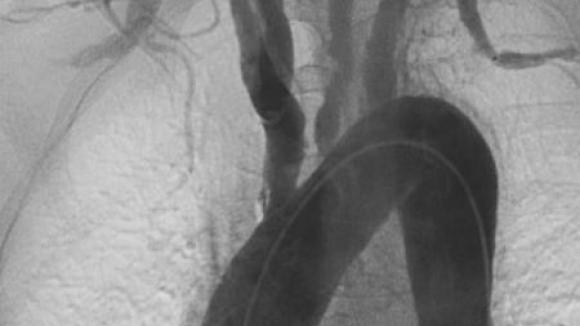
A controlled clinical trial has shown that giving the IL-6 receptor antibody, tocilizumab (TCZ), to patients with Takayasu arteritis (TAK) results in clinical efficacy and has a steroid sparing efffect.

Search for Terms or Answers
A controlled clinical trial has shown that giving the IL-6 receptor antibody, tocilizumab (TCZ), to patients with Takayasu arteritis (TAK) results in clinical efficacy and has a steroid sparing efffect.
Dr. Jack Cush reviews the journal reports and news from RheumNow.com.
Be sure to register for RheumNow Live 3/13/2020 in Fort Worth
Rheumnow.live.

Non-steroidal anti-inflammatory drugs (NSAIDs) are widely used for acute or chronic arthritis, headache, visceral pain, postoperative pain, etc but come with a small but significant risk of serious adverse effects, including hypertension, cardiovascular disease, kidney injury and GI complica
NEJM has published the results of the TULIP2 trial with anifrolumab, an alpha interferon blocker, in the treatment of systemic lupus erythematosus, showing significant improvement (over placebo) in multiple lupus outcome measures, including BICLA, SRI-4, CLASI and others.

The Journal of Neurology, Neurosurgery & Psychiatry reports there is moderate evidence that six sleep disorders (insomnia, fragmentation, daytime dysfunction, prolonged latency, rapid eye movement sleep behaviour disorder and excessive time in bed) significantly increases the ri

Do postmenopausal women, under age 65 years, need a baseline BMD testing? A JAMA Insights review suggests that the absolute risk of fracture is low in this group and that USPSTF guidelines should be considered - that we should be screening women younger than 65 years who are at increased risk of osteoporosis and we should be using a formal risk assessment tool to identify candidates for bone density testing.
Researchers from the Brigham and Women's Hospital have reported that adults with type 2 diabetes who were treated with SGLT2 inhibitors had a lower risk of gout compared to GLP1 agonist, suggesting that sodium–glucose cotransporter-2 inhibitors may reduce the risk for gout with type 2 diabetes mellitus (T2DM).
Lancet Rheumatology has reported the results of a multicenter follow-up study of systemic lupus erythematosus (SLE) patients showing that organ damange is linked to glucocorticoid use, independent of clinical or serological disease activity.
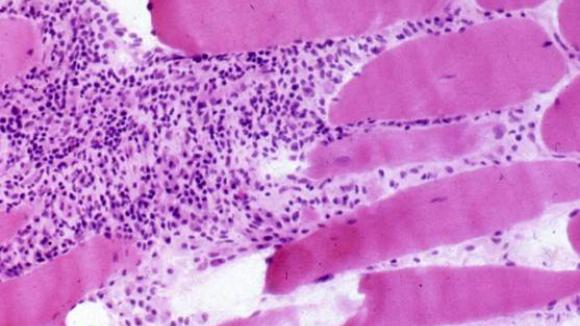
Statin-induced myositis, often with anti-HMGCR autoantibodies can be difficult to manage, Arthritis Research & Therapy yhas published the experience of 55 patient with HMGCR myopathy, demonstrating that while steroid management may be reasonable in select patients, the use of tr
Dr. Jack Cush reviews the news and journal reports from this past week on RheumNow.com. The podcast covers: best therapies for dactylitis and enthesitis; we have a new knockout for knee pain in OA; and are you on the naughty or nice list when it comes to the new ACR-AF guidelines for arthritis? This and more. Tune in.
Today, the American College of Rheumatology (ACR), in partnership with the Arthritis Foundation (AF), released the 2019 ACR/AF Guideline for the Management of Osteoarthritis of the Hand, Hip and Knee.
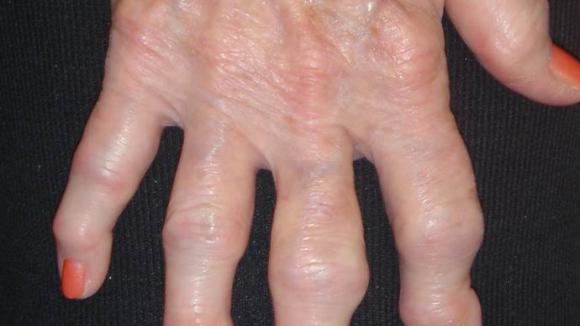
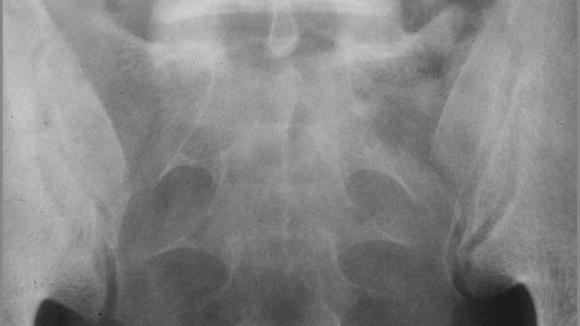
Ixekizumab (IXE), an interleukin-17A (IL-17A) inhibitor, was recently approved for use in ankylosing spondylitis (also known as radiographic axial spondyloarthritis- axSpA).
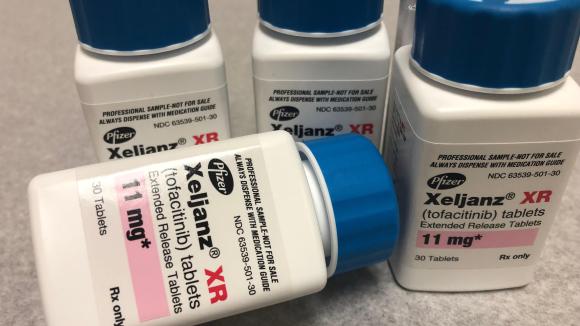
Rheumatoid arthritis patients taking tofacitinib (Xeljanz) plus methotrexate who achieved low disease activity (LDA) may be able to withdraw from the latter agent without significant worsening of disease activity, a researcher reported at EULAR 2019 in Madrid.
It’s a great time to be a rheumatologist and to manage RA. But, if you keep doing what you’re doing, you’re going to keep getting what you’ve got.

In the United Kingdom, NICE has looked to the British Society of Rheumatology (BSR) to develop evidence based guidance on the safe use of biologic DMARDs in patients with inflammatory arthritis.
Two recent studies have examined the effect of starting abatacept upon the risk of serious hospitalized infections or cancer, showing divergent results from claims data analyses.
We have options that are endless – we have 28 biologics in rheumatology; 19 approved for RA in the last 20 years, but 15 of these are me-too copies or biosimilars. We currently have 2 JAK inhibitors and may have 3 or 4 by year end. But what we really need is the right drug, at the right time, in the right patient – but how will we know.
From the 9/11 World Trade Center registry, 118 persons found w/ a CTD (RA=71, Sjӧgrens 22, SLE 20, myositis 9,MCTD 7, PSS 4. Responders w/ intense dust cloud exposure had 2 fold CTD risk & Community members w/ PTSD had 3‐fold risk. https://t.co/07GhloezNA
By downloading this material, I acknowledge that it may be used only for personal use and personal education and that I will accredit RheumNow.com as the source and owner of this material. Commercial use or mass reproduction of this material without permission from RheumNow (info@rheumnow.com) is prohibited.


