The American Society for Bone and Mineral Research has developed multistakeholder consensus clinical recommendations for the prevention of secondary fractures for those aged 65 years and older after an initial hip or vertebral fracture.

All News
The Annals of Rheumatic Disease reports a psoriatic arthritis study where in ixekizumab was non-inferior to adalimumab for achievement of ACR50 responses but was superior to adalimumab for achievement of PASI100 by week 24.
While the efficacy and safety of interleukin 1 (IL-1) inhibitors (e.g., anakinra) in the acute management of gout and pseudogout has been repeatedly shown, the cost efficacy of such biologic therapy has rendered it impractical for most. A new retrospective study has shown that IL-1 inhibitors may be effective and appropriate for some medically complex, hospitalized patients with acute gout or calcium pyrophosphate crystal arthritis.
The NEJM reports the results of a one year trial wherein ustekinumab (UST) was shown to be effective at inducing and maintaining remission in patients with moderate-to-severe ulcerative colitis. Ustekinumab, currently approved for use in psoriasis, psoriatic arthritis and Crohn's disease, is a monoclonal antibody against the p40 subunit of interleukin-12 and interleukin-23.
Dr. Jack Cush reviews the news and articles from the past week on RheumNow.com.
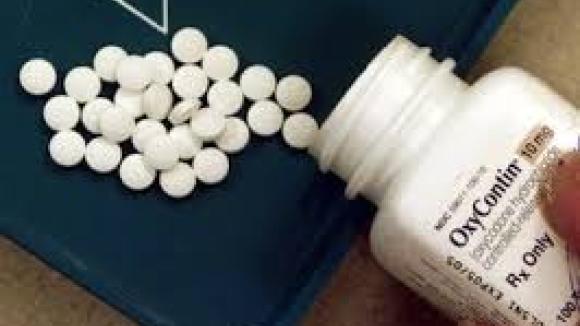
Opioids are generally not indicated for pain in systemic lupus erythematosus (SLE) and other rheumatic diseases because of limited efficacy and risks for preference and adverse health effects.
A double-blind, placebo-controlled clinical trial of low-dose IL-2 in patients with systemic lupus erythematosus (SLE) has shown that low-dose IL-2 induced was clinically effective while expandng regulatory T cells and NK cells, which may benefit immune homeostasis in SLE patients.
As the leading organization for people with arthritis, the Arthritis Foundation has just released the first CBD guidance for adults with arthritis. CBD, or cannabidiol, a plant-based compound, has become popular among people with arthritis seeking to ease chronic joint pain.
Rheumatology leaders commend CMS for proposing E/M code changes and urge agency to make additional changes to final rule.d
Braaten and colleagues from Johns Hopkins School of Medicine have reported their experience with chronic inflammatory arthritis induced by immune checkpoint inhibitor therapies, showing that in some, inflammatory arthritis persists after the immunotherapy has been discontinued.
A systematic review in PLOS suggests that parenteral MTX therapy is more successful than oral MTX in achieving optimal disease activity control.
Dr. Jack Cush reviews the news and journal articles from the past week on RheumNow.com.
Continuous use of nonsteroidal anti-inflammatory drugs (NSAIDs) among patients with ankylosing spondylitis (AS) was associated with the development of incident hypertension, a prospective cohort study found.
Obinutuzumab (Gazyva) has been granted Breakthrough Therapy Designation (BTD) by the U.S. Food and Drug Administration (FDA) for use in adults with lupus nephritis (LN). The drug made by Genentech, is going forward based on the Phase II NOBILITY study in adult patients with proliferative lupus nephritis (LN). Currently, there are no FDA-approved medicines for lupus nephritis.
The interleukin (IL)-1 receptor antagonist anakinra (Kineret) showed promise in critically ill children who develop the often-lethal condition known as secondary hemophagocytic lymphohistiocytosis (sHLH)/macrophage activation syndrome (MAS), a retrospective single-center study found.
JAMA has published an overview of cannabis and its medical uses. Although nearly 10% of cannabis users in the United States report using it for medicinal purposes, there is insufficient evidence to support the use of medical cannabis for most conditions for which its use is advocated or advised. Nevertheless, there is increase in favoring the public availability of cannabis, largely for the management of more than 50 medical conditions.
Physicians who believe their patients' health is negatively affected by insurers' demands for prior authorization, and the delays that often result, will find that opinion vindicated by a new study of rheumatology care: when permission had to be sought from insurers to provide intravenous drugs,
Dr. Jack Cush reviews the news and journal articles from the past week on RheumNow.com.
A prospective trial has shown that 2 weeks of antibiotic therapy is as effective as 4 weeks of antibiotic therapy, with similar outcomes but shorter hospital stays.
Metanalysis of 16 studyes Systemic Sclerosis pregnancies have a higher risk of miscarriages (OR 1.6), IUGR (OR 3.2), preterm births (OR 2.4) and low birth weight (OR 3.8). SSc pts have 2.8 fold higher rate of gestational HTN & 2.3x more C- sections. https://t.co/FuM0DZFR4k