In 2016 the WHO set out to eliminate HBV infection as a public health threat by 2030. So far, we are far from this goal as vaccine implementation has been suboptimal in a number of important patient populations, including patients with rheumatologic diseases, as well as other immunocompromising diseases like HIV.

All News
Since 2000, the German Biologics register (BiKeR) has prospectively enrolled children with juvenile idiopathic arthritis to assess outcomes with biologic therapies. A new report evaluates the efficacy and safety of etanercept (ETA), tocilizumab (TOC) and the interleukin-1 inhibitors (anakin
A study from Nature Neuroscience shows that a high salt diet may mediate neurovascular disease by altering microbiome and the expansion of TH17 cells in the small intestine, thereby increasing plasma interleukin-17 (IL-17) and its subsequent effects on endothelium in the brain.
JAMA reports the results of a 5 year Finnish study comparing the results of laparoscopic sleeve gastrectomy vs Roux-en-Y gastric bypass and shows that gastric bypass yielded greater weight loss at 5 years, the difference was not statistically significant, in patients with morbid obesity.
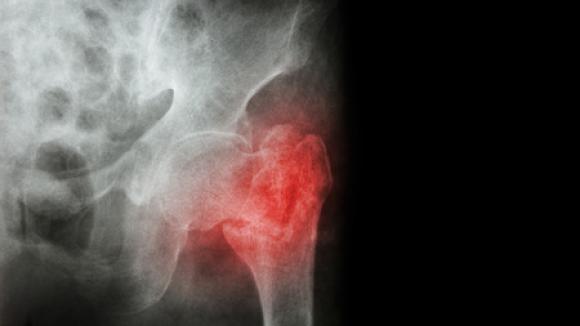
Reuters reports that the incidence of hip fractures in older women in the U.S. is rising after more than a decade of decline, according to a large new study of Medicare recipients.
Dr. Jack Cush reviews a dozen highlights from the past week on RheumNow.com.
PNAS reports use of ibuprofen by males may result in antiandrogen effects that may contribute to adult male reproductive problems.
The latest issue of CDC’s MMWR reports that exercise counseling among arthritis patients increased from 52% to 61% (2002 to 2014); hence ~40% do not receive health care provider counseling, suggesting the need for provider education and training in exercise counseling, and improved electroni
2018 Predictions for Rheumatology
MedPage Today Editors surveyed a few rheumatologists for their major news predictions in 2018. Read on for predictions regarding drug pricing, biosimilars, autoimmunity and checkpoint inhibitors, and thrombotic events and JAK inhibition.
Recent JAMA study shows metanalysis of 33 clinical trials and 51,145 participants, showed that calcium, vitamin D, or both affords no decreased risk of hip fractures compared with placebo or no treatment and therefore questions their routine widespread use in the elderly..
Dr Jack Cush reviews the news and journal articles from the past week on RheumNow.com.
An editorial and systematic review of complications seen when checkpoint inhibitor (CPI) therapies are given to patients with immune mediated inflammatory disorders (IMIDs) and cancer shows that nearly 75% manifest autoimmune and inflammatory immune-related adverse events (irAEs).
A UK Study published in Lancet shows that community-based screening programme for fracture risk in older women is feasible, and may reduce hip fractures.
The Journal of Rheumatology has published a nationwide survey of US rheumatologists and shown that despite trends for increasing metric assessments, nearly half of rheumatoid arthritis (RA) patients are not routinely assessed with a disease activity metric and the evidence they
Rheumatology has published a study demonstrating that bone marrow edema as measured by magnetic resonance imaging (MRI) may be found in healthy people, but that such changes do not change with intense physical activity.
Patients with ankylosing spondylitis (AS) have shown rapid and sustained responses to secukinumab (Cosentyx) in a third phase III trial that includes a higher dose of this anti-interleukin-17A monoclonal antibody, researchers reported.
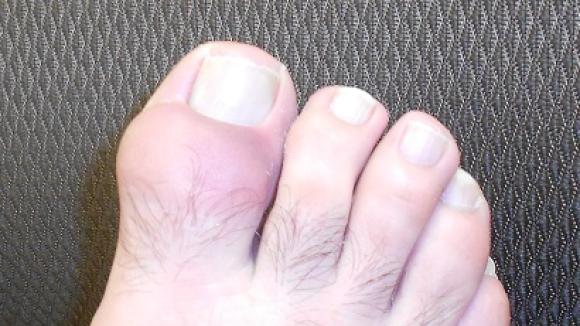
The British Society for Rheumatology/British Health Professionals in Rheumatology first published a guideline for the management of gout in 2007. They have just updated and published their new guideline, largely because of new therapies, an increasing incidence of gout, low penetrance of urate lowering therapies, and the inability to achieve a target serum uric acid level.
In this Therapeutic Update, Drs. Mease, Gibofsky and Cush answer five questions regarding the August 3rd FDA Arthritis Advisory Committee meeting that reviewed the potential approval of tofacitinib (Xeljanz) in patients with active psoriatic arthritis. The panel was nearly unanimous (10-1) in favor of the efficacy and safety profile of of tofacitinib, and similarly voted 10-1 to approve this drug for use in PsA. Final decisions on these recommendations from the AAC panel will be made at a later date by the FDA.
Dr. Jack Cush reviews highlights and news from the past week on RheumNow.com.
Hypertension, nephrolithiasis and chronic kidney disease (CKD) commonly associates with gout. While there is a clear need to dose adjust NSAIDs and colchicine in those with CKD, there is some debate about the need to dose adjust when using allopurinol with CKD.