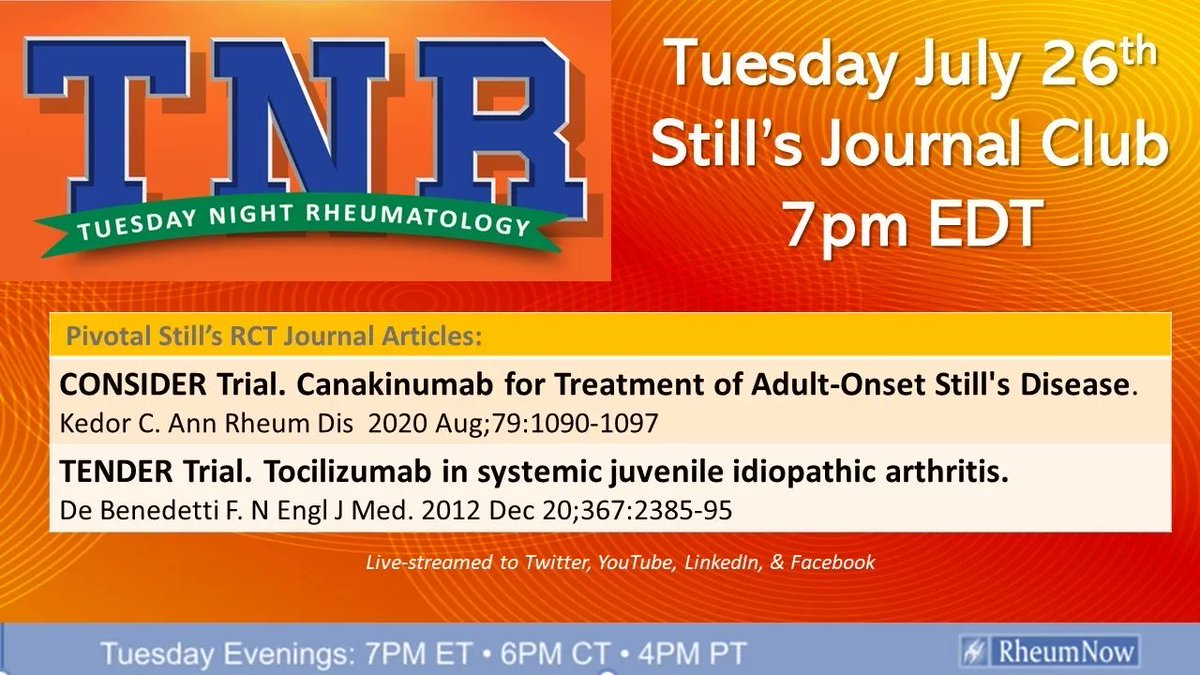
A small retrospective study suggests that patients with difficult to treat adult-onset Still's disease (AOSD) or sytemic juvenile idiopathic arthritis (sJIA) may respond well to JAK inhibitor (JAKi) agents - presumable by blocking pro-inflammatory cytokines, notably IL-6 and IFN.

All News
Your patient doesn't meet criteria for Still’s disease (AOSD or sJIA), now what should you do or consider?
What you do or consider next can be addressed according to the stage of current disease: A) Hospitalized Febrile Disease, or B) Outpatient “Still’s” Disease.
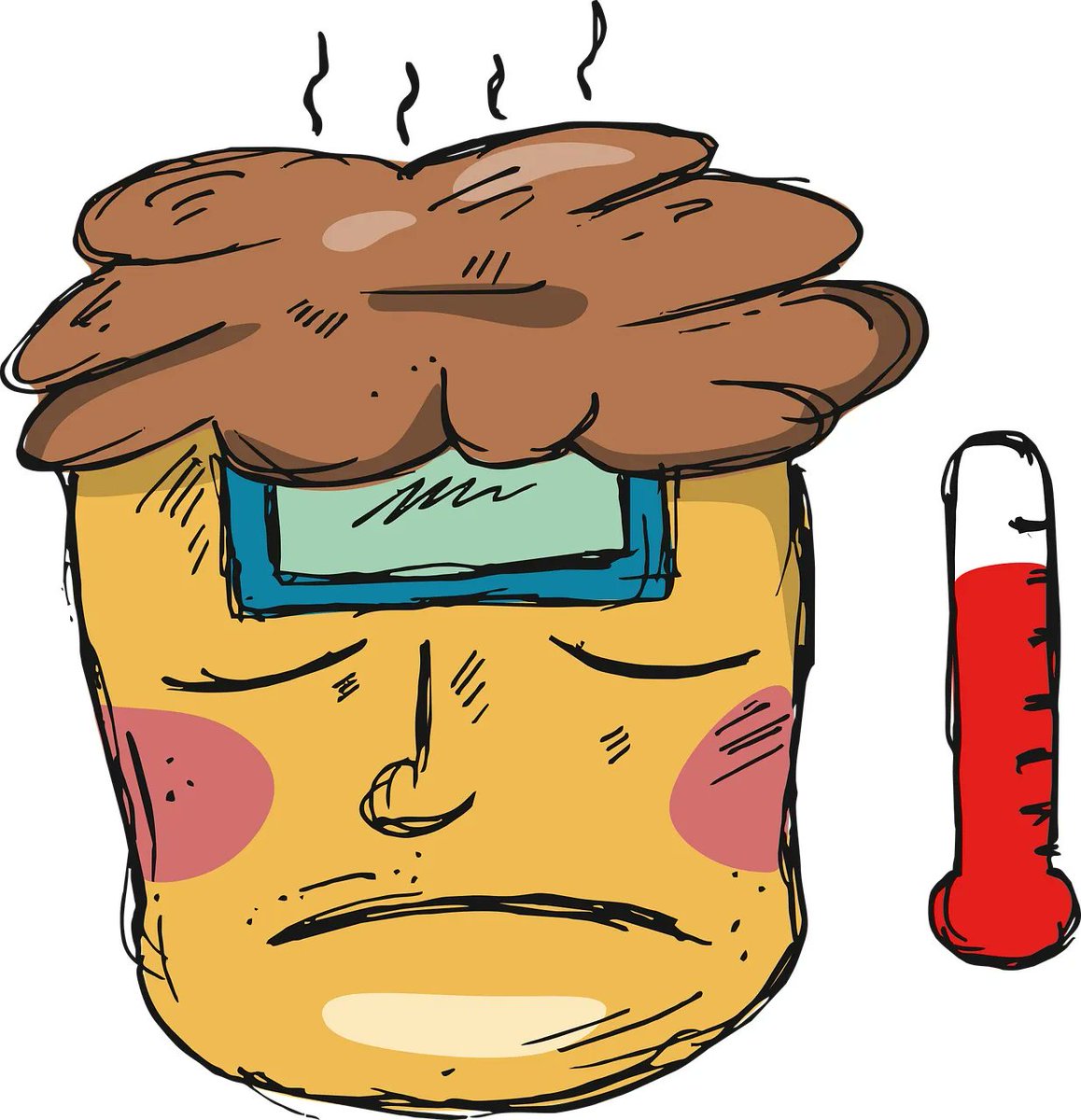
Fever of unknown origin (FUO) represents a diagnostic challenge to many physicians and while cancer and infectious causes need to be excluded, rheumatic disorders are amongst the most common causes of FUO.
There is no “test” (blood or other) that is solely diagnostic of Still’s disease, but labs can help make a diagnosis or manage disease, and affirm the safety of drugs in use.
Are you treating “systemic” or “articular” (arthritis) Still’s disease? Most Still’s patients have a dominance of one or the other. With certainty, the right therapy for the right symptoms can be chosen. What about patients who have an incomplete or no response, or who become unresponsive to a drug that once worked well?
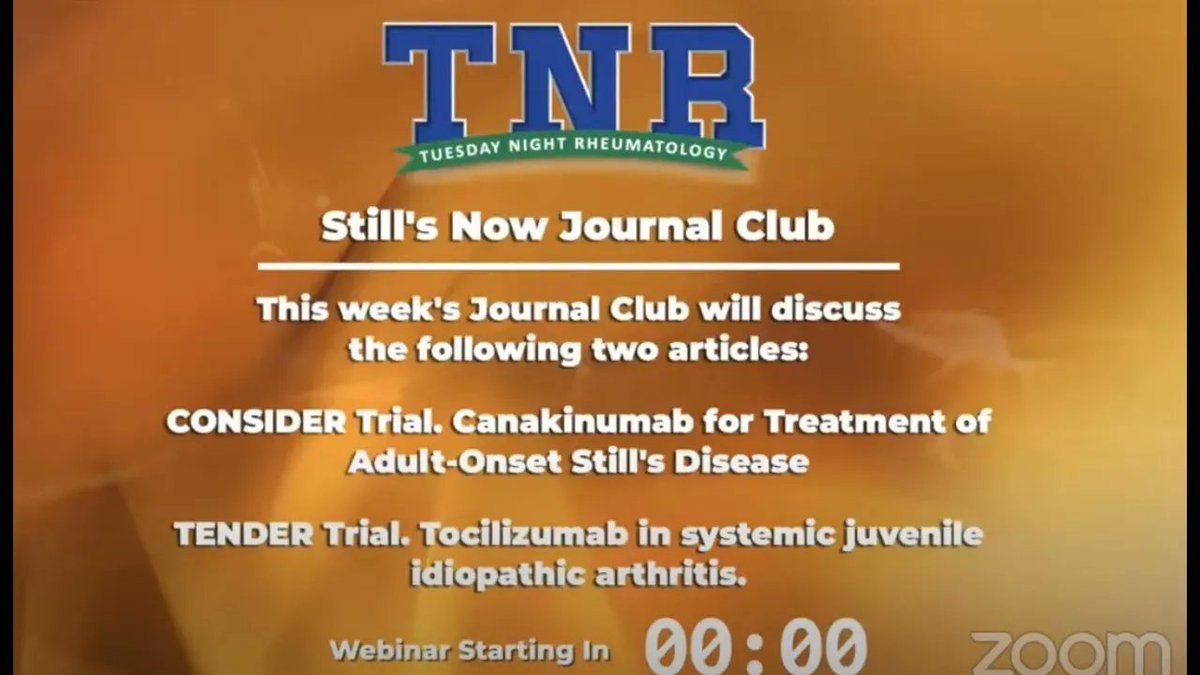
Dr. Jack Cush covers the news and journal reports from the past week on RheumNow.com. This week we have Insights NAFLD, overdose deaths, septic arthritis, refractory stills, & when MTX doesn’t work.