
Article
Dr. Jack Cush reviews the news and journal reports from the past week on RheumNow.com:

Search for Terms or Answers
Dr. Jack Cush reviews the news and journal reports from the past week on RheumNow.com:

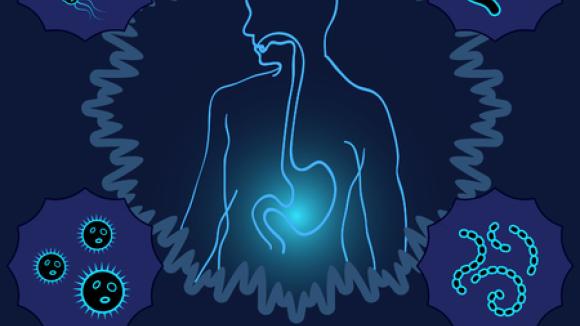
Silverman and colleagues have published their study of the fecal microbiome of systemic lupus erythematosus (SLE) patients and found roughly five times more gut bacteria known as Ruminococcus gnavus, and that these abnormalities in microbiota can correlate with measures of disease severity i
The drug retention rate of interleukin-1 inhibitors (IL-1) used to treat systemic juvenile idiopathic arthritis (JIA) appears to be quite high according to a new study.

Pfizer has issued a press release regarding the safety of tofacitinib, citing higher rates of pulmonary embolism and death associated with the use of higher dose tofacitinib 10mg bid in rheumatoid arthritis (RA) patients treated in a long-term safety trial.

Dr. Marwan Bukhari (editor of Rheumatology) has written an editorial wherein he suggests that true remission is hard to achieve. He notes that "remission as a target is a noble objective that we should all aspire to but we should not chastise our practice if we do not achieve it, as more and more evidence suggests that we should consider it the ideal but not the norm."

A study from the University of Washington in Seattle find that men with osteoporosis were less likely to be assessed by dual-energy X-ray absorptiometry (DXA); vitamin D measurements and were less like to receive calcium/vitamin D and bisphosphonate prescriptions.

Dr. Jack Cush discusses the news from the past week on RheumNow.com - including the SEAM trial, MRI guided T2T, biologics and infection, contraceptive use, ANA negative lupus, etc.
Withholding intravenous abatacept (Orencia) for longer than a month before hip or knee arthroplasty among patients with rheumatoid arthritis (RA) did not lower the risk for postoperative infection, a retrospective claims-based analysis found.

The SEAM-PsA study examined the efficacy of methotrexate monotherapy, etanercept monotherapy or the combination of MTX and ETN in psoriatic arthritis patients, and found that ETN monotherapy was equivalent to combination therapy - and that both were superior to MTX alone in clinical (ACR and MDA) and radiographic responses.

A group of French researchers have pooled their interests to identify the challenges ahead in the management of patients with systemic lupus erythematosus (SLE).

Dr. Jack Cush reviews this past week's news and reports from RheumNow.com:
Specialty tier drugs, including biologics, accounts for nearly half of all medication spending by Medicare Part D patients. High out-of-pocket costs for these patients is a major concern.

Biologic therapy for severe psoriasis was associated with better plaque morphology and less non-calcified coronary plaque, according to a prospective, observational study.

A report from the University of Michigan examined state-wide medical marijuana showing most of it is used for chronic pain.

The Annals of Internal Medicine reports that the growth and use of compounded pain creams is unwarranted as they were no better than placebo in a randomized controlled trial, suggesting their higher costs are unjustifiable compared to other topical commercially available agents (lidocain

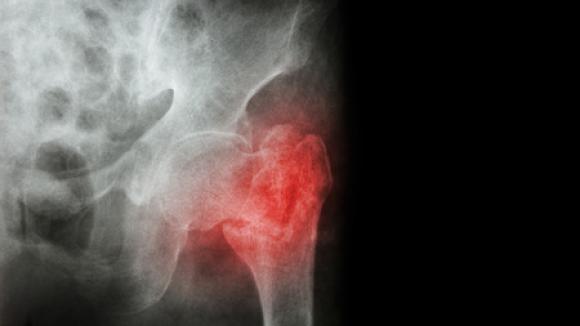
A Medicaid study of lupus (SLE) patients finds that fracture risks are elevated in low‐income SLE and lupus nephritis patients compared to those without SLE.
Dr. Jack Cush reviews new journal articles, news reports, and more from the past week on RheumNow.com.
Two recent reports offer good news to rheumatoid arthritis (RA) women who are planning to become pregnant.

Research from the NEJM shows that oral antibiotic therapy was noninferior to intravenous antibiotic therapy when used during the first six weeks for complex orthopedic infections.

The interleukin-23 (IL-23)/IL-17 axis plays an important role in inflammation and infection. Some of these chronic immune-mediated inflammatory disorders include PsO, PsA, AS, and IBD. Patients with PsO, PsA, and AS have up to a four-fold risk of developing IBD versus the general population.

By downloading this material, I acknowledge that it may be used only for personal use and personal education and that I will accredit RheumNow.com as the source and owner of this material. Commercial use or mass reproduction of this material without permission from RheumNow (info@rheumnow.com) is prohibited.

