
Article
I am usually thrilled to offer Plaquenil as one of the safer therapy options to my patients with lupus and other autoimmune conditions.

Search for Terms or Answers

In the last few years, new studies have been published examining if early intervention and tight control (TC) of psoriatic arthritis (PsA) disease activity will have the same beneficial outcomes as it does for rheumatoid arthritis (RA).

UK researchers have shown that nurse-led gout management, using a treat-to-target urate-lowering strategy, is efficacious and cost-effective compared with usual physicain care. The results are published in the recent Lancet edition.

Dr. Jack Cush summarizes the news and reports from RheumNow.Com this past week and previews RheumNow activities at the upcoming ACR 2018 meeting in Chicago.

JAMA has a 2018 update/review of the safety issues seen with mmune checkpoint inhibitors (ICIs) - important new cancer therapies, with 14 cancer indications, that have significantly improved survival in several. ICIs are monoclonal antibodies that block inhibitors of T-cell activation and function.

Overlap of autoimmune disorders represents a significant diagnostic and management challenge to the rheumatologist. A novel cohort analysis of overlap between systemic sclerosis (SSc) and systemic lupus erythematous (SLE) suggests such patients tend to be younger, more frequently have PAH, but less cutaneous manifestations of SSc.
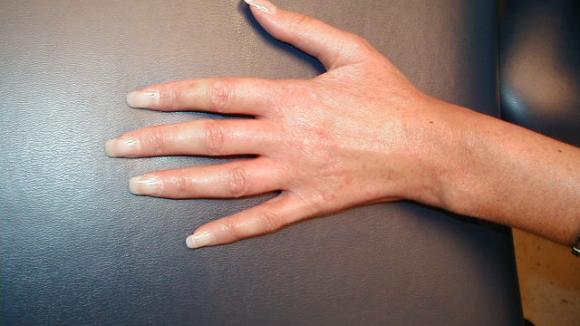
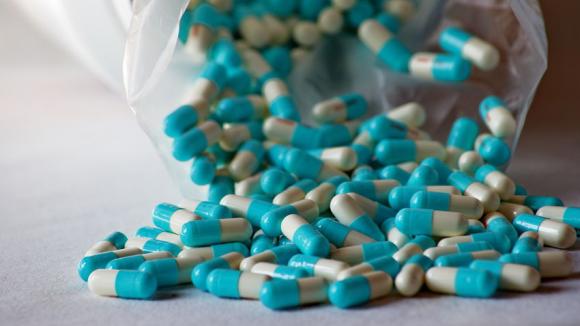
Some patients typically contraindicated for prescription nonsteroidal anti-inflammatory drug (NSAID) use may be able to take them with no increased risk of harm, according to a large observational study.
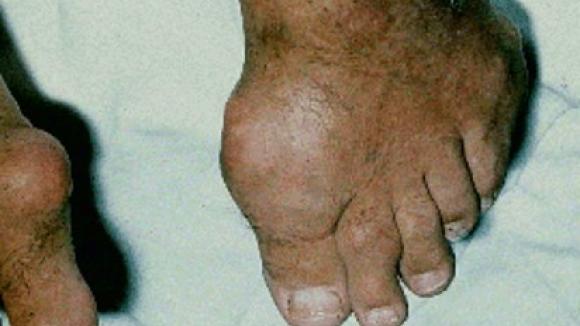
Neogi and colleagues have shown that standard doses of allopurinol (300 mg/day) were associated with a 13% lower risk of renal function deterioration in chronic gout patients - thus, allopurinol does not appear to impair renal function over time.
The current edition of Lancet Diabetes & Endocrinology suggests that neither vitamin D supplementation, nor dose, will improve bone density or prevent fractures in adults.
The NEJM reports that zolendronic acid was shown to significantly lower the risk of nonvertebral or vertebral fragility fractures in older women with osteopenia.
Multiple studies have shown that elderly rheumatoid arthritis (RA) patients tend to be under-treated and receive DMARD therapies less often than younger RA patients.

Only inhibitors of IL-1 (canakinumab) and IL-6 (tocilizumab) are FDA approved for use in children with systemic onset juvenile idiopathic arthritis (sJIA). Now, long-term data from the extension studies from two phase III studies shows that canakinumab yields long-term improvements with reduced glucocorticoid dosing with no new safety findings with long-term use.

Dr. Jack Cush reviews the news from the past week on RheumNow.com, including news on inappropriate opioids, pre-clinical RA treatment, DMARDs in Gout, the decline of arthroscopy, and a pain in the mouth.

Ronald F van Vollenhoven and colleagues have reported in Lancet that ustekinumab (UST), an interleukin-12 and -23 inhibitor, when added to usual therapy in systemic lupus erythematosus (SLE) patients, was shown to be superior to placebo at improving clinical efficacy and laboratory param

Stem cell clinics are popular and proliferating as they are largely a cash business and fall outside of FDA regulatory control. In lieu of scientific proof, most advocates use patient testimonials and the placebo effect to back up their claims.

Implementing a treat-to-target approach for the care of rheumatoid arthritis (RA) did not result in an increase in adverse events or resource use, a post-hoc analysis of a randomized trial showed.
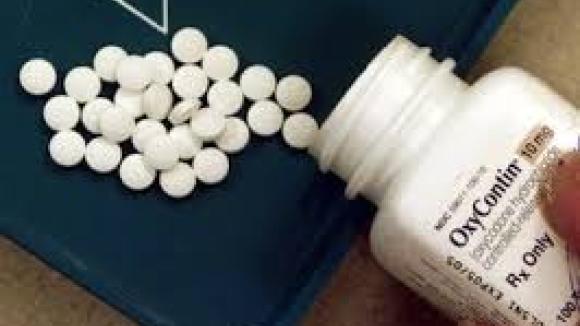
In response to the growing opioid crisis, the US Food and Drug Administration has approved the final Opioid Analgesic Risk Evaluation and Mitigation Strategy (REMS), designed to reduce the risk of abuse, misuse, addiction, overdose, and deaths due to prescription opioid analgesics.
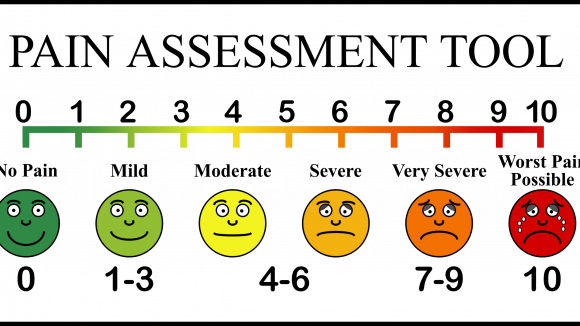
The Annals of Surgery reports on an anlaysis of FDA-mandated postmarket studies, including nearly 100,000 breast implant pprocedures, that showed silicone implants to be associated with higher rates of Sjögren's syndrome, scleroderma, rheumatoid arthritis, stillbirth, and melanoma.

The Annals of Internal Medicine reports that interleukin-1 (IL-1) inhibitor treatment is associated with a reduced risk of gout attacks - such are the findings of an anlysis of the CANTOS study previously reported at the Annual ACR 2017 meeting in Washington, DC.
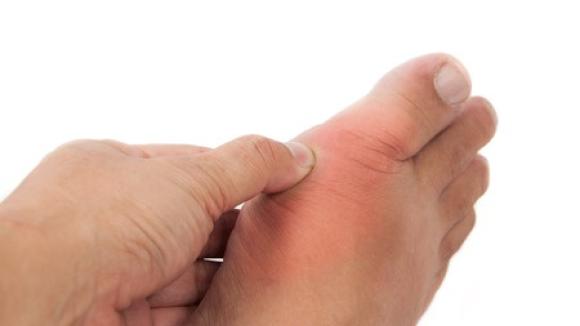
The Journal of Gerontology reports that the poorest of the elderly are the most likely to receive prescription opioids.
By downloading this material, I acknowledge that it may be used only for personal use and personal education and that I will accredit RheumNow.com as the source and owner of this material. Commercial use or mass reproduction of this material without permission from RheumNow (info@rheumnow.com) is prohibited.

