
Article
The EULAR 2018 wound down on Saturday with fewer oral presentations but many posters. In my last report I put together a collection of impressions and some thematic highlights not covered in previous reports.

Search for Terms or Answers
The EULAR 2018 wound down on Saturday with fewer oral presentations but many posters. In my last report I put together a collection of impressions and some thematic highlights not covered in previous reports.

Our colleagues in gastroenterology measure drug levels with certain biologics used in inflammatory bowel disease in order to increase the dose for optimal benefit if the patient has a low trough level (i.e. targeting drug level).

The annual EULAR meeting just came to an end today. Rooms are gradually emptying out. People look both content to have updated their knowledge and relieved that four very busy days have concluded. Time to summarize.

I was delighted to see that investigators presenting work at EULAR 2018 haven’t lost interest in our old friend methotrexate, with a number of abstracts examining issues of safety, dose and route of administration.
A big concern of most is the risk of infection with use of tumour necrosis factor inhibitor (TNFi) and biologic drugs. While studied in both trials and in post-marketing studies, it is unknown if infection risk is dose-dependent.

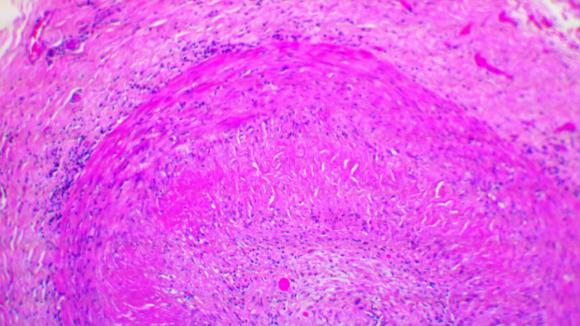
Each year I attend I hope that I’m going to come across something that changes my practice and this year, I think I may have struck gold at a session on Giant Cell arteritis at EULAR in Amsterdam.
This session was an update on the management of osteoporosis given by Professor Christian Roux from France.

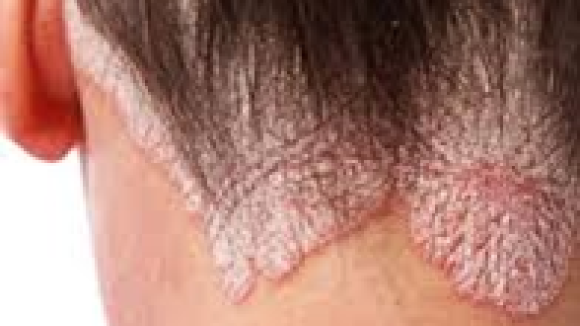
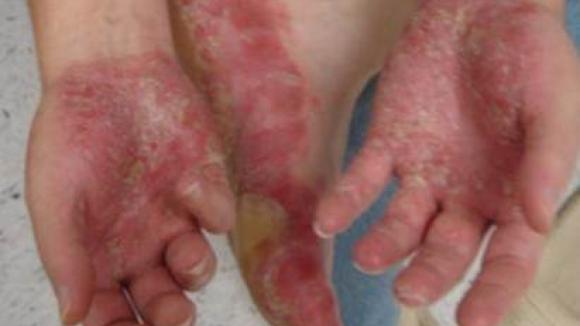
As we gather more knowledge about psoriatic arthritis ( PsA) and psoriasis (PSO) over time, and achieve better outcomes with new therapies, more questions arise about quality of life, survival and comorbidities in PsA and PSO.
Highlights from Day 2 of the EULAR meeting in Amsterdam include high MBDA scores in ACPA negative RA predicts remission; characterization of difficult RA; and gender differences in psoriatic responses to TNF inhibitors.

Biosimilars are here, and more are being registered all the time, so I was really interested in the biosimilar data at the meeting.

Abbvie press releases feature the results from 3 new trials to be presented during the Annual European Congress of Rheumatology (EULAR 2018) in Amsterdam from three Phase 3 trials evaluating upadacitinib, an investigational, once-daily oral JAK1-selective inhibitor, in adult patients with moderat

Recent shifts in the cancer treatment paradigm towards immune therapies has led to wide implementation of the novel immune check point inhibitors (ICI) in the treatment of multiple types of advanced cancer.

While many autoinflammatory syndromes are driven and managed with select inhibition of IL-1, IL-18 or IL-6, a subset are driven by type I interferon and are referred to as interferonopathies. These monogenic IFN–mediated disorders present in infancy with fevers, systemic inflammation, an IFN response gene signature, inflammatory organ damage, and high mortality.

While the risk of neoplasia with tumour necrosis factor inhibitor (TNFi) use has been largely nullified in most inflammatory disorders, this risk in children is less certain. However a recent study shows no risk of increased cancer in children treated with TNFi for juvenile idiopathic arthritis (JIA), pediatric inflammatory bowel disease (pIBD) and pediatric plaque psoriasis (pPsO).

A population-based study of claims data from Korea shows that among inflammatory bowel disease (IBD) patients receiving tumour necrosis factor inhibitors (TNFi) there is a 3.7 per 100 patient-year risk of paradoxically developing psoriasis - a rate that is roughly 3-fold higher than risk in TNFi-naive IBD patients.
Reuters reports that Canada’s Senate on Thursday voted to legalize recreational marijuana, clearing a major hurdle that puts the country on track to become the first Group of Seven nation to permit national use of the drug.

Dr. Jack Cush discusses the past week's news and journal articles featured on RheumNow.com - including reports on advance practice clinicians, baricitinib, gout, disease activity, hypomagnesemia and upadacitinib.

Racial discrimination was a key feature at a 2-day summit on pain management and the opioid crisis, hosted by the National Institutes of Health on Thursday and Friday.

A systematic review of prescription drug monitoring programs (PDMPs), advocated in the president's Prescription Drug Abuse Prevention Plan, fails to show evidence of efficacy in preventing nonfatal and fatal overdoses.

The US Food and Drug Administration has approved baricitinib (Olumiant) for use in adults in moderate-to-severe active rheumatoid arthritis (RA) who have had an inadequate response to TNF inhibitors (TNFi). It is not approved for use, nor has it been studied, in children.

By downloading this material, I acknowledge that it may be used only for personal use and personal education and that I will accredit RheumNow.com as the source and owner of this material. Commercial use or mass reproduction of this material without permission from RheumNow (info@rheumnow.com) is prohibited.

