Boston researchers have found that in a large cohort study of patients receiving rituximab (RTX), most were not being monitored for hypogammaglobulinemia, despite the observed significant increase in severe infections and increased mortality in RTX treated patients.

All News
Amidst a new DEA report demonstrating a record number of opioid overdose deaths (n-72,000 or ~ 200 deaths per day), the FDA has approved a newer and far more potent opioid than those that are currently being abused at alarming rates. The new agent is named Dsuvia.
The monoclonal antibody tanezumab, which blocks nerve growth factor, showed significant benefits in pain and function among patients with osteoarthritis (OA) of the knee or hip, and rates of severe adverse joint events such as rapidly progressive OA that had plagued earlier studies were low, a re
ACR 2018 has come and gone. It was a conference filled with a number of highlights. One thing from this conference which really stood out was the continued plethora of data on JAK inhibitors. First in RA, and now in psoriatic arthritis and psoriasis.
Here are a few important advances in our understanding of interstitial lung disease (ILD) from the ACR 2018 meeting last week.
Two studies presented at ACR18 have used imaging to examine one of the key unanswered questions in polymyalgia rheumatica - what structures are the focus of inflammation in the disease – and demonstrated that peritendineal involvement is ubiquitous in and distinctive of PMR.
This past week in Chicago gave us a plethora of new and eye-opening research, people, KOLs, exhibits, sessions, guidelines, posters and a never-ending supply of coffee served in small paper cups. ACR 2018 highlights for me included:
Highlights from Tuesday and Wednesday (days 3 and 4) from the ACR annual meeting include: the important and impactful abstracts covered by the Rheumatology Roundup session; upadacitinib clinical trials; and the baricitinib CV and VTE safety analysis.
Rheumatologists tend to be a conservative bunch of people. We’re law abiding and we (mostly) follow guidelines. Which is fine when they are in the best interests of our patients, but what do we do when we fundamentally disagree?
Dr. Joseph Smolen delivered one of the most elegant and informative talk on rheumatoid arthritis at this ACR’s meeting as a tribute to Dr. Paul Klemperer. Dr. Smolen led us on a journey, and had us feeling content with what we are doing in practice as we walked with him from historical discoveries of RA through new drug development. Then Dr. Smolen did the unthinkable: he made us crash!
RheumNow is in Chicago covering the ACR annual meeting. Here are the highlights from Sunday (day one). Be sure to check our complete coverage, including articles, video reports and tweets, at acr18.rheumnow.com.
We are diving head first into flu season and we need to prepare ourselves. Last year we now know that 80,000 Americans died from influenza.
Immune checkpoint inhibitors (ICI) have changed the hematology/oncology world. However, their AEs from a rheumatologic standpoint are still being evaluated and at this time, genetic risk factors for inflammatory arthritis due to ICI are not well understood. Dr. Cappelli et al evaluated a possible connection with HLA typing at their institution.
This week’s NEJM features a case discussion and debate over whether medical marijuana should be used to treat chronic pain. The debate focuses on a 31-year-old woman with long-standing complex regional pain syndrome in her leg and foot.
JAMA has a 2018 update/review of the safety issues seen with mmune checkpoint inhibitors (ICIs) - important new cancer therapies, with 14 cancer indications, that have significantly improved survival in several. ICIs are monoclonal antibodies that block inhibitors of T-cell activation and function.
Some clinical benefits were seen among patients with adult-onset Still's disease treated with tocilizumab (Actemra) in a small clinical trial, but the study's primary endpoint was not met, Japanese researchers reported.
Some patients typically contraindicated for prescription nonsteroidal anti-inflammatory drug (NSAID) use may be able to take them with no increased risk of harm, according to a large observational study.
Dr. Jack Cush reviews the news from the past week on RheumNow.com.
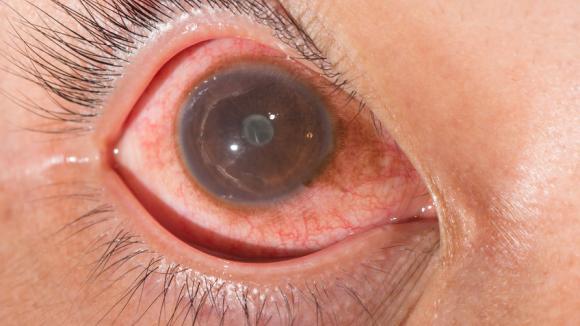
Researchers from Germany have studied a large cohort of juvenile idiopathic arthritis (JIA) patients and shown that JIA disease activity scores and laboratory biomarkers could be used to better define the group of JIA patients at high risk of uveitis onset.