Patients with ankylosing spondylitis (AS) have shown rapid and sustained responses to secukinumab (Cosentyx) in a third phase III trial that includes a higher dose of this anti-interleukin-17A monoclonal antibody, researchers reported.

All News
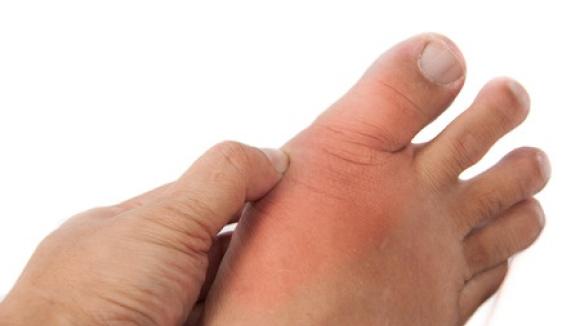
The British Society for Rheumatology/British Health Professionals in Rheumatology first published a guideline for the management of gout in 2007. They have just updated and published their new guideline, largely because of new therapies, an increasing incidence of gout, low penetrance of urate lowering therapies, and the inability to achieve a target serum uric acid level.
In this Therapeutic Update, Drs. Mease, Gibofsky and Cush answer five questions regarding the August 3rd FDA Arthritis Advisory Committee meeting that reviewed the potential approval of tofacitinib (Xeljanz) in patients with active psoriatic arthritis. The panel was nearly unanimous (10-1) in favor of the efficacy and safety profile of of tofacitinib, and similarly voted 10-1 to approve this drug for use in PsA. Final decisions on these recommendations from the AAC panel will be made at a later date by the FDA.
The Annals of Internal Medicine reports that despite improving trends in mortality, death rates from systematic lupus erythematosus (lupus) remain high compared to those in the general population, and disparities persist between subpopulations and geographic regions.
Dr. Jack Cush reviews highlights and news from the past week on RheumNow.com.
Hypertension, nephrolithiasis and chronic kidney disease (CKD) commonly associates with gout. While there is a clear need to dose adjust NSAIDs and colchicine in those with CKD, there is some debate about the need to dose adjust when using allopurinol with CKD.
The medical use of cannabis is often extended to management of chronic pain and neuropathic pain.
A metanalysis of 27 chronic pain trials show that there is low-strength evidence that cannabis alleviates neuropathic pain but insufficient evidence in other pain populations.
A prospective Swedish study between 2001–2009 found a higher risk of aortic regurgitation, pacemaker, AV block and atrial fibrillation in SpA, AS, uSpA and PsA patients.
Despite large randomized trials failing to show the efficacy of RTX in SLE (LUNAR, EXPLORER), uncontrolled observational data suggests possible efficacy and safety of RTX in refractory SLE.
Curtis and colleagues have analyzed the certolizumab (CZP) RAPID1 and RAPID2 trials to assess the risk of serious infectious events (SIEs), and shown that steroids combined with an age-adjusted comorbidity index (AACI) yields a 2-3 fold predictable risk for SIE.
Researchers from the Nottingham University Hospitals have analyzed the efficacy and safety of oral (PO) and intravenous (IV) cyclophosphamide (CTX) in ANCA-associated vasculitis (AAV) patients and demonstrated a trend for fewer relapses, better 1 year survival and less toxicity w
Dr. Jack Cush reviews the news from the past week on RheumNow.com. Subscribe to the podcast on iTunes and SoundCloud.com.
The Cochrane Database has published its review of calcium channel blockers (CCB) in Raynaud's phenomenon, showing CCBs may be useful in reducing the frequency, duration, severity of attacks, pain and disability associated with Raynaud's phenomenon, especially with primary Raynaud's.
Dalbeth and colleagues have published a novel report in Arthritis & Rheumatology, novel in that it is a trial of early gout patients that looks at clinical and radiographic outcomes. They showed that febuxostat improves magnetic resonance imaging (MRI) measures of synovitis and reduced gout flares, but failed to alter X-ray progression with 2 years follow-up.
Renal dysfunction is common among patients with rheumatoid arthritis (RA), particularly among older patients, women, and those with hypertension, Japanese researchers reported.
Despite a growing body of evidence suggesting that maternal health is more important than maternal medications to fetal and infant outcomes, little is known about the long term oucomes of infants born to mothers with rheumatoid arthritis (RA). Using Danish population data, researchers have shown in utero exposure to maternal RA is associated with an increased risk of thyroid disease, and an increased risk of future RA.
The NLRP3 inflammasome is a critical component of the innate immune system and activation of NLRP3 inflammasome results in caspase-1–dependent secretion of the proinflammatory cytokines IL-1β and IL-18.
Staying on a TNF inhibitor (TNFi) throughout major surgery has generatlly been associated with higher rates of perioperative infection (https://buff.ly/2iBFVjp). On the other hand, discontinuation of the TNFi prior to surgery is associated with lower ra
Drug Safety has published a systematic review of the FDA’s Adverse Event Reporting System (FAERS) and finds numerous reports of thromboembolic adverse events (AEs) associated with two currently marketed Janus kinase (JAK) inhibitors, tofacitinib (Xeljanz) and ruxolitinib (Jakafi).