Article
All News

Article
The PRECISION trial was published this week in the NEJM, presented at the Cardiology meetings in New Orleans, and presented today by Dr. Daniel Solomon at the 2016 ACR annual meeting in Washington, D.C. (citation source http://buff.ly/2fUmoqO)

Article
It is well known that ANCA-associated vasculitides can be hard to control and relapses are common. The choice of maintenance therapy is rather limited and therapies are not always effective.
Article
Dr. Jack Cush reviews highlights and reports from this week on RheumNow.com, including drug-induced cutaneous lupus, pediatric lupus being worse, new gout drug SEL-12, Gut microbiome and IgA plasmablasts, and the weakly-received new ACP guidelines on gout.
Article
Serum antibodies precede the development of clinical rheumatoid arthritis (RAby) by many years, and yet we still have much to learn about this preclinical phase.
Article
The MMWR has reported that Crohn’s disease and ulcerative colitis, collectively known as inflammatory bowel disease (IBD), previously (1999) had an estimated 1.8 million (0.9%) prevalence. But as of 2015, an estimated 3.1 million (1.3%) of U.S.

Article
The results of the Nor-Switch study were presented at the United European Gastroenterology annual congress this week demonstrating no significant difference in effect, adverse effects or antibody formation in patients switched from Remicade to the biosimilar infliximab (CT-P13, Remsima).

Article
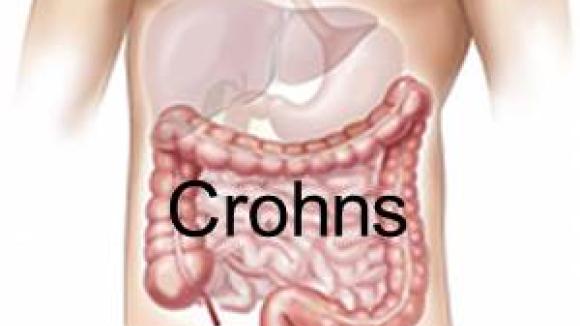
The anti-IL-12/IL-23 inhibitor, Stelara (ustekinumab) has been FDA approved for the treatment of psoriasis and psoriatic arthritis. In the last week, the EMA's CHMP has recommended that the drug also be approved for use in Crohn's disease.
Article
The issue of lower intestinal tract perforation (LIP) is no novelty to rheumatologists since the RA treatment paradigm shifted from use of NSAIDs (the most common cause of upper GI tract perforations) to steroids and non-steroidal DMARDs.

Article
The Food and Drug Administration’s Arthritis Advisory Committee (AAC) yesterday recommended that the Sandoz etanercept (Enbrel) biosimilar (GP-2015) be approved for use in the United States.

Article
In Genome Medicine, Mayo Clinic researchers investigated a cohort of rheumatoid arthritis (RA) patients, their relatives and a healthy control group analyzing the gut microbiome vial16S ribosomal DNA analysis of fecal samples.

Article
No increased incidence of inflammatory bowel disease has been seen among patients with psoriasis, psoriatic arthritis, or ankylosing spondylitis treated with secukinumab (Cosentyx) in the clinical trial programs for this interleukin (IL)-17A inhibitor, a researcher reported here.
Article
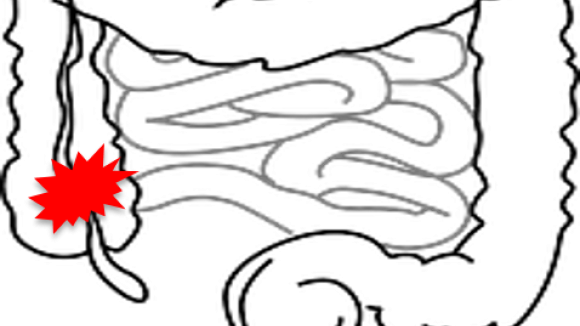
Gastrointestinal perforations (GIP) are not historically believed to be a common or uncommon complication. Hence, when this was noted in the tocilizumab (TCZ) and tofacitinib (TOFA) developmental trials, it was a curious if not perplexing finding.
Article
Dr. Cush reviews highlights from this week on RheumNow.com.
Article
Selective IL-23 inhibition has been touted to be the next great advance in the treatment of inflammatory bowel and psoriatic disease.
Article
How would you manage rheumatoid arthritis patients with melanoma in situ, or high liver enzymes or interstitial lung disease? Curbside consults takes on these challenging therapeutic or safety issues with answers are based on experience, literature and guidelines.

Article
Research presented at the annual British Society for Rheumatology conference revealed that rheumatoid arthritis patients who drink moderately while taking methotrexate appear to be at no greater risk for liver damage than nondrinkers.

Article
Watch Dr. Jack Cush cover ten highlights from this week on RheumNow.com.
Article
Previous research has suggested a potential role for gut dysbiosis and alterations Th17 and regulatory T (Treg), along with IL-17, IL-22, and IL-23, in the pathogenesis of SLE.
Lopez and colleagues from Spain have studied the gut microbiome of l

Article
This is a reposting of an earlier report on RheumNow that includes additional commentary from Dr. Sunada Kane, a gastroenterologist at the Mayo Clinic who specializes in both inflammatory bowel disease (IBD) and pregnancy.