On April 3rd, the National Institute for Health and Care Excellence (NICE) in the UK, published a rapid guideline for managing children and adults with rheumatological autoimmune, inflammatory and metabolic bone disorders during the COVID-19 pandemic, while protecting staff from infection.

All News
In the midst of a global pandemic of the 2019 Novel coronavirus acute respiratory disease (COVID-19), a small handful of Rheumatologists gathered on social media to collectively grapple with the impact of this virus on vulnerable populations with rheumatic disease.
With the COVID-19 pandemic dynamically changing, we have provided several news items germane to the Rheumatologist.
Ready for telemedicine/telerheumatology?
Once you and your patient agree on a virtual visit, the following suggestions may help facilitate the interaction. If you have the ability and the capacity, record the visit.
As the highly virulent SARS-CoV-2 spreads over the world, uncertainty and fear for our patients with rheumatic diseases mount.
We are in the early stages of trying to limit the morbid and mortal consequences of the corona virus pandemic of 2020. Not surprisingly, the recommendations designed to limit exposure and damage continually highlight the fact that the elderly and immunosuppressed may be amongst the most severely affected should they become infected with this virus.
This has led to a great deal of uncertainty by patients and providers about how rheumatic diseases and their treatments need to be specifically addressed.
Dr. Jack Cush reviews the news and journal articles from the past week on RheumNow.com.
Cannbinoids are widely available and used for a variety of indications, but little is known about their safety and their potential for drug interactions. The Canadian Medical Journal has published a review of drug interactions with cannabinoids, many of which are mediated by cytochrome-P450 metabolism.
Dr Jack Cush Reviews the news and journal articles from the past week on RheumNow.com
Science Translational Medicine has a report on how the use of Janus kinase (JAK) inhibitors may boost osteoblasts to battle bone erosions in conditions like rheumatoid arthritis (RA).
Dr. Jack Cush reviews the highlights from the 2020 RWCS meeting in Maui, Hawaii.
JAMA Internal Medicine has reported that use of low dose aspirin for venous thromboembolism (VTE) prophylaxis after total hip and knee replacement is equal in efficacy to other anticoagulants.
Dr. Jack Cush reviews the news and journal articles from the past week on RheumNow.com.
The NEJM weighs in on the problem of post-menopausal osteoporosis (OP) and tackles the use of hormonal therapy.
The decline in estrogen after menopause may increase risks for osteoporosis, cardiovascular disease, and cognitive decline. The use of hormone replacement therapy (HRT) to obviate these issues may be primarily driven by hot flashes in postmenopausal women.1
Who may benefit from hormone therapy among postmenopausal women?
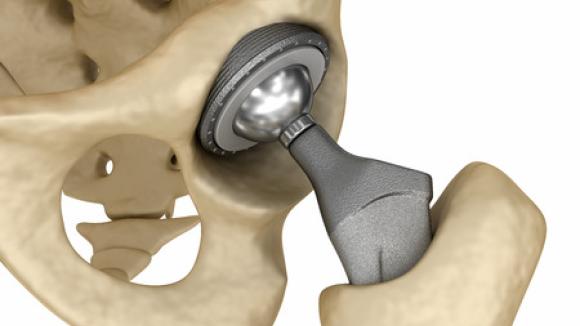
UK registry reports that greater than 80% of total knee replacements can last for 25 years.
The outcomes regarding the duration and durability of knee arthroplasties is sketchy, with many orthopedists projecting a 15 to 20 year survivial. Hence the need for an appraisal of the data.
A new study in Scientific Reports suggest that circadian rhythms play an important role in wound healing, and that nonsteroidal anti-inflammatory drugs (NSAIDs) may be disruptive if taken at night given primary healing that occurs in a body at night.
Dr. Jack Cush reviews the news and journal reports from this past week on RheumNow.com. The podcast covers: best therapies for dactylitis and enthesitis; we have a new knockout for knee pain in OA; and are you on the naughty or nice list when it comes to the new ACR-AF guidelines for arthritis? This and more. Tune in.
Dr. Jack Cush recaps the news and journal reports from the past week on RheumNow.com.
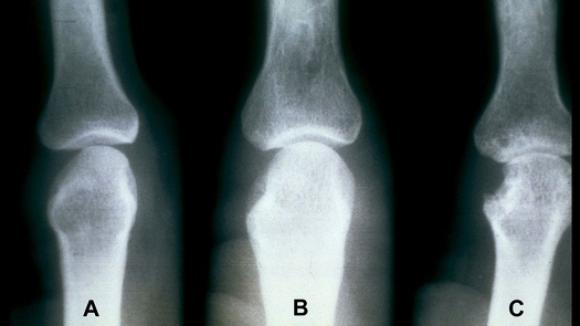
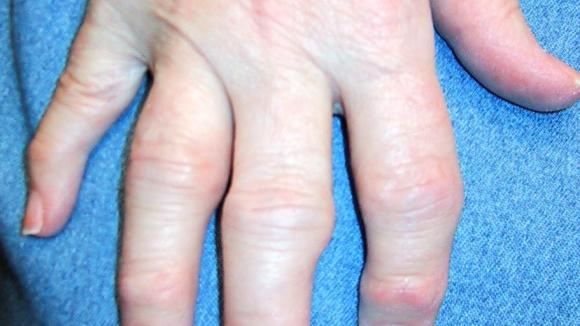
Lancet reports that prednisolone 10 mg daily for 6 weeks can effectively control the pain of hand osteoarthritis (OA), according to results from the Hand Osteoarthritis Prednisolone Efficacy (HOPE) study.
This was a double-blind, randomized, placebo-controlled trial aimed to assess the short-term effects of prednisolone in painful hand OA and synovial inflammation. Patients were required to have hand OA and signs of inflammation in their distal and proximal interphalangeal (DIP/PIP) joints and > 4 DIP/PIP osteoarthritic nodes and at least one DIP/PIP joint with soft swelling/erythema or evidence of synovitis on power Doppler ultrasound. The primary endpoint was finger pain.
Dr. Jack Cush reviews the news and journal reports from the past week on RheumNow.com.