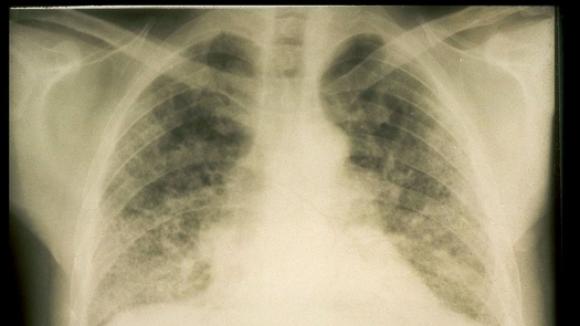
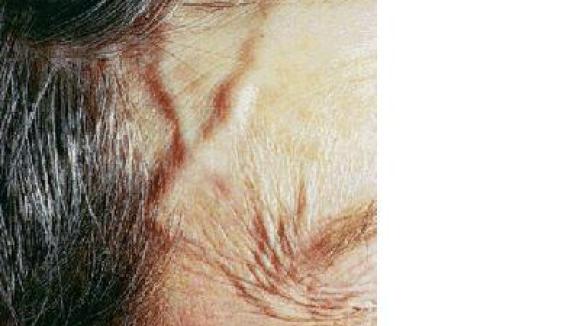
Systemic sclerosis (SSc) sine scleroderma is a unique and rare subset of SSc defined by the absence of skin fibrosis. An analysis of the EUSTAR database suggests systemic disease can be a problem, including interstitial lung disease (>40%) and SSc renal crisis (almost 3%).

All News
Dr. Jack Cush reviews the news and journal reports from the wonderful wide world of Rheumatology. This week:
A novel B-cell depletion trial, using obexelimab (a bifunctional, monoclonal antibody that binds CD19 and Fc gamma receptor IIb), has shown efficacy and safety in patients with active IgG4-related disease.
An open-label, uncontrolled pilot trial has shown that JAK signaling is involved in the pathogenesis of PMR and that tofacitinib is as effective as glucocorticoids (GC) in patients with polymyalgia rheumatica (PMR).
A EULAR/American College of Rheumatology task force has established evidence based, up-to-date guidance and expert opinion on the evaluation, management and monitoring of patients with Haemophagocytic lymphohistiocytosis (HLH) and macrophage activation syndrome (MAS), with the primary intent to halt disease progression and prevent life-threatening complications from HLH/MAS.
NIH researchers have have described a novel autoinflammatory disorder called "Lyn kinase-associated vasculopathy and liver fibrosis" (LAVLI), based on a mutation in the LYN gene (that encodes the Lyn kinase protein). They discovered that increased Lyn kinase activity promotes systemic inflammation, by altering microvascular permeability and neutrophil recruitment, while at the same time promoting hepatic fibrosis.
Dr. Jack Cush reviews the news, journal articles and regulatory decisions from the past week from RheumNow.com. This week focuses on parodoxical psoriasis, scleroderma outcomes and subsets, and alopecia areata therapy.
The hallmark of systemic sclerosis is scleroderma, but less than 10% of SSc patients have sine scleroderma (ssSSc). A EUSTAR database review compared the manifestations and outcomes of ssSSC to limited cutaneous SSc and diffuse cutaneous SSc.
A large, retrospective, multinational study of patients with antineutrophil cytoplasmic antibody (ANCA)-associated vasculitis (AAV) shows they may be at risk for cardiovascular events (CVEs).
A phase 2 trial has demonstrated the efficacy of secukinumab, an anti-interleukin-17A monoclonal antibody, in patients with active giant cell arteritis (GCA).
Dr. Jack Cush reviews the news and reports from the past week on RheumNow.com. This week a new colchicine FDA approval, rising rate of IgG4 related disease and what's the safest biologic?
Dr. Jack Cush reviews the news and journal reports from this past week on RheumNow.com, including new drug approval, a new SpA variant and new rules for methotrexate (MTX) monitoring and depression screening.
A Korean study of a large systemic lupus erythematosus (SLE) cohort shows by genomic analysis, that higher weighted genetic risk scores (wGRS) is associated with earlier SLE onset, higher anti–Sm antibody positivity, lupus nephritis and more diverse lupus manifestations.
Combined cranial and large vessel ultrasound and PET/CT provided excellent accuracy for the diagnosis of giant cell arteritis (GCA).
Day 2 at the international EULAR Congress meeting is always bigger and busier. There were sessions on JIA therapies, crystal arthritis, novel drugs for SLE and Sjogren's, early RA and preclinical RA interventions, IgG4 disease, osteoporosis and the growth and application of artificial intelligence in medicine and rheumatology.
Adult onset still's disease (AOSD) is an autoinflammatory condition characterized by fevers, arthritis, and rash. It is considered an orphan disease because of its low prevalence - it is reported anywhere between 16 to 40 per ten million.
Belimumab is a B-lymphocyte stimulator (BLyS)-specific inhibitor that is FDA approved for the treatment of active lupus and lupus nephritis, based on a few pivotal trials; and now a metanalysis supports its use in active lupus nephritis.
How Age of Onset Affects Giant Cell Arteritis
Giant cell arteritis (GCA) has a different phenotype when diagnosed late in life compared with earlier onset, a large Italian cohort study indicated.
Nephrology Dialysis Transplantation has published an overview of the management of anti-neutrophil cytoplasmic antibody associated vasculitis with glomerulonephritis based on several international guidelines, including those frorm the ACR 2021, EULAR 2022 and KDIGO 2021 (Kidney Disease: Improving
Dr. Jack Cush reviews the news and journal reports from this past week on RheumNow.com. This week we delve into some odd associations, repeat drug warnings and the consequences of antirheumatic therapies.