
Article
New research from a UK study suggests that nonresponse to oral or subcutaneous MTX was seen in 43% and is predicted by seronegativity, higher disease activity measures and higher anxiety scores.

Search for Terms or Answers
New research from a UK study suggests that nonresponse to oral or subcutaneous MTX was seen in 43% and is predicted by seronegativity, higher disease activity measures and higher anxiety scores.

Dr. Jack Cush reviews the news and journal articles from the past week on RheumNow.com. Fateful outcomes in Rheumatology, what happens to Seronegatives, IL-23 fails, MRI progression, Not all inflammatory back pain becomes SpA:

A Finnish Rheumatology Center followed 435 early, seronegative rheumatoid arthritis (RA) patients for 10-years and found that only 3% became erosive or seropositive RA.

A study from the British Society for Rheumatology Biologics Register (BSRBR) has shown that biologic refractory disease is seen in at least 6% of patients who have ever received a biologic DMARD (bDMARDs).

Hydroxychloroquine retinopathy prevention guidelines have revised from ideal body weight-based dosing to actual body weight-based dosing; the question remains whether these have been adopted in clinical practice.
A database of nearly 21,000 new HCQ users from a UK general population database studied HCQ dosing and use between 2007 and 2016. Specifically they examined whether users were subjected to excess HCQ dosing per ophthalmology guidelines (defined by exceeding 6.5 mg/kg of IBW and 5.0 mg/kg of ABW).

At the EULAR 2016 meeting, new EULAR recommendations for the management of Behçet's disease (BD) were presented.

Dr. Jack Cush reviews selected news and journal reports from the past week on RheumNow.com.
A pattern of increased primary care visits and joint complaints during the 2 years before rheumatoid arthritis (RA) was diagnosed were predictive of the diagnosis, a British case-control study found.

A recent Deloitte analysis of the biosimilar market in the USA suggests there are defined obstacles to biosimilar use that must be dealt with, especially as the current administration is seeking to lower drug prices and reduce out-of-pocket costs for US consumers.

Preclinical rheumatoid arthritis (RA) is a hot new area wherein at risk individuals (seropositive, first degree relatives of RA patients, etc.) are being studied to assess the triggers that lead to progression to RA or whether therapies can be used to avert the onset of RA.

Dr. Jack Cush reviews EULAR 2018 and the past week's news and reports from RheumNow.com, including DMARDs in OA, the price of Penicillamine, Infections when ANCA+, CV outcomes in gout, NSAIDs in Pregnancy and Seropostive vs. Seronegative Outcomes.

A study from the American Journal of Obstetrics & Gynecology analyzed pregnant women from the Kaiser Permanente healthcare system and compared newly pregnant women who took non-steroidal anti-inflammatory drugs or acetaminophen or neither showed that using NSAIDs around conception carried a more than four-fold higher risk of early miscarriage. (Citation source: http://bit.ly/2tqNWN6)

"Can stresss be the cause of my autoimmune disease?" is an often launched question met with shrugs of uncertainty or strongly held beliefs rooted in bias moreso than fact.
Swedish investigators have analyzed a large registry cohort and shown that exposure to stress-related disorders yields a significantly increased risk of autoimmune disease. They analyzed 106,464 patients with stress-related disorders, with 126,652 full siblings, and over a million non-stressed matched controls to assess a future risk of autoimmune disease.

A cohort study of 241 DMARD-naive rheumatoid arthritis (RA) patients, meeting either 1987 ACR or the 2010 ACR/EULAR classification criteria for RA, compared the baseline status and long term outcomes of seronegative (SNRA) and seropositive (SPRA).
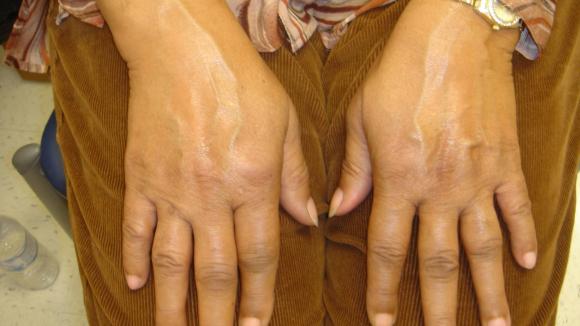
The EULAR 2018 wound down on Saturday with fewer oral presentations but many posters. In my last report I put together a collection of impressions and some thematic highlights not covered in previous reports.

Our colleagues in gastroenterology measure drug levels with certain biologics used in inflammatory bowel disease in order to increase the dose for optimal benefit if the patient has a low trough level (i.e. targeting drug level).

We are supposed to treat to a target (T2T) in RA. In other words, measure many components of the disease and its activity and calculate a score and if the patient is not in remission (or a low state if remission is not achievable) we are to make a treatment change.

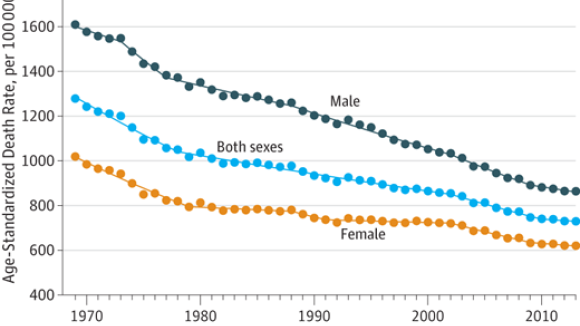
There were many presentations at EULAR 2018 in Amsterdam about the mortality of RA.
I was delighted to see that investigators presenting work at EULAR 2018 haven’t lost interest in our old friend methotrexate, with a number of abstracts examining issues of safety, dose and route of administration.
Highlights from Day 2 of the EULAR meeting in Amsterdam include high MBDA scores in ACPA negative RA predicts remission; characterization of difficult RA; and gender differences in psoriatic responses to TNF inhibitors.

By downloading this material, I acknowledge that it may be used only for personal use and personal education and that I will accredit RheumNow.com as the source and owner of this material. Commercial use or mass reproduction of this material without permission from RheumNow (info@rheumnow.com) is prohibited.

