
Article
Infections and noninfectious pulmonary disease were associated with an increased risk for idiopathic inflammatory myopathies (IIM), a Swedish study found.

Search for Terms or Answers
Infections and noninfectious pulmonary disease were associated with an increased risk for idiopathic inflammatory myopathies (IIM), a Swedish study found.

Adult-onset Still's disease (AOSD) is the adult continum of systemic-onset juvenile idiopathic arthritis (SoJIA). Treatment of this febrile polyarticular systemic disorder can be complex, but has been relieved by several specific biologic therapies.

The introduction of a growing number of biosimilars into the market poses a substantial change in cost of care for patients with inflammatory rheumatologic disorders.

A large multi-center study of cardiovascular (CV) risk factors in rheumatoid arthritis (RA) has shown, after nearly 6 years follow-up, more CV events in males than females (21% vs. 11%, respectively) and that RA itself accounts for 30% of the attributable CV risk.

Noe and colleagues have reported in the Journal of Investigative Dermatology that by estimating the extent of skin involvement in psoriasis (%BSA) they may assess future mortality risk.
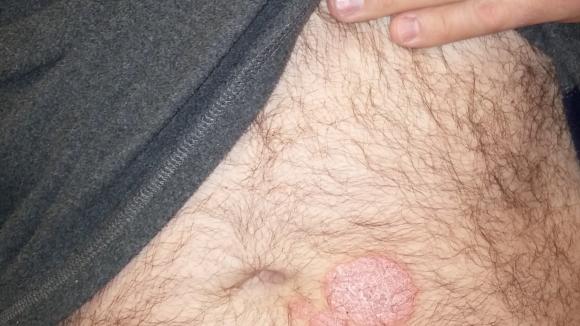
Opioid overdose deaths quadrupled from 1999 to 2015 and accounted for 63% of drug overdose deaths in the United States in 2015. During 2010–2015, heroin overdose deaths quadrupled from 3,036 to 12,989, with heroin and illicitly manufactured fentanyl (IMF) as likely contributors to this trend.

This week's report includes new data on IL-1 inhibition and protection from CV events and lung cancer, baricitinib given a reprieve, and features on infections: HBV, shingles and mortality of septic arthritis.

This Drug Safety Bulletin address FDA delay of baricitinib, etanercept effective at room temperature, Consumer Reports features on drug safety, no association between Alzheimer's and PPIs, AHRQ review of opioid drug safety, FDA safety abeling changes, drug shortages and more.

The CANTOS trial has shown that interleukin 1β inhibition by Canakinumab (CAN) resulted not only in a reduction of cardiovascular deaths but also significantly decreased the incidence and death from lung cancer.

Eli Lilly and Company and Incyte Corporation announced today that, after discussions with the U.S. Food and Drug Administration in late August 2017, Lilly will resubmit a revised New Drug Application for baricitinib before the end of January 2018. The resubmission package will include new safety and efficacy data.
The current issue of Arthritis & Rheumatology features an editorial and two novel articles on the herpes zoster vaccine.
The results of a randomized, double-blind trial have shown that canakinumab (CAN), an interleukin-1β inhibitor, given as 150 mg every 3 months, resulted in a significantly lower rate of recurrent cardiovascular events (in high-risk CV patients), independent of lipid-level lowering. The results of the CANTOS studywere simultaneously published in NEJM, Lancet and were presented at the European Society of Cardiology meeting in Barcelona.

Reuters reports that yet another adalimumab biosimilar has been approved by European Union regulators.
The new drug is named Imraldi, and is manufactured by Samsung Bioepis, a company who has several biosimilars approved or in development for worldwide use.

Non-Tuberculous Mycobacterial infections are among the most frequently reported opportunistic infections in the setting of biologic therapy. While there are hundreds of NTM species, only a minority are clinically relevant. In this review, I'll address important NTM diagnosis and management issues relevant to patients receiving biologic therapy.
Golimumab (GOL) is one of five marketed TNF inhibitors (TNFi) that is FDA approved for use in psoriatic arthritis (PsA).

Evidence from multiple studies suggests there is an increased risk of lymphoma in rheumatoid arthritis (RA) that is believed to be linked to the cumulative activity of the disease.
In this Therapeutic Update, Drs. Mease, Gibofsky and Cush answer five questions regarding the August 3rd FDA Arthritis Advisory Committee meeting that reviewed the potential approval of tofacitinib (Xeljanz) in patients with active psoriatic arthritis. The panel was nearly unanimous (10-1) in favor of the efficacy and safety profile of of tofacitinib, and similarly voted 10-1 to approve this drug for use in PsA. Final decisions on these recommendations from the AAC panel will be made at a later date by the FDA.

In 1994 there were 600 supplement companies, producing 4,000 OTC supplement products for a total revenue of about $4 billion. Today we have close to 6,000 companies, producting nearly 75,000 supplement products, bringing in $37 billion annually.

The introduction of intravenous pegloticase (PEG) in 2010 was felt by many to be a major advance in the treatment of patients with severe, refractory tophaceous gout. But for some, concerns over infusion reactions and safety have limited its use.

The RheumNow Week in Review discusses the past week's news, journal articles and highlights from RheumNow.com.

By downloading this material, I acknowledge that it may be used only for personal use and personal education and that I will accredit RheumNow.com as the source and owner of this material. Commercial use or mass reproduction of this material without permission from RheumNow (info@rheumnow.com) is prohibited.

