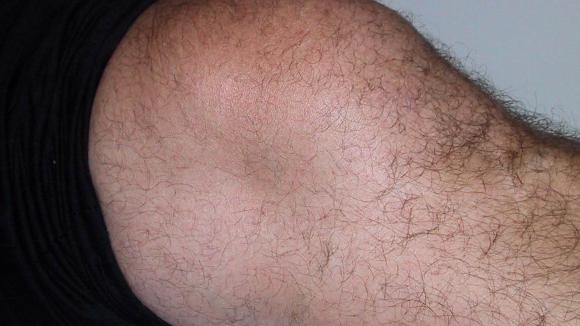
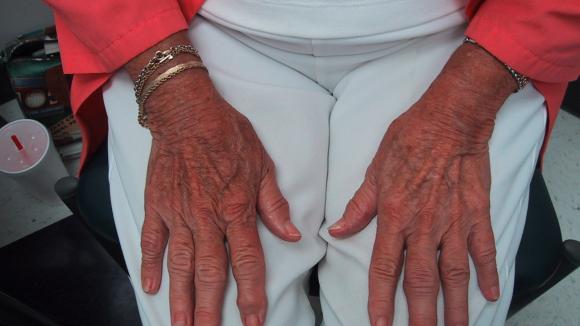
Chronic pain and depression are intimately linked, but Japanese researchers have found that up to 12% of knee osteoarthritis (OA) may develop depression and that such patients should be screened for depression over time.
All News
Researchers at Northwestern University have used ultrasound-guided tissue biopsy from the joints to analyze the genes of tissue macrophages with the hope that transcriptional profiling of synovial macrophages may be correlated with clinical parameters or drug responsiveness in rheumatoi
MMWR reports that In 2015, the number of adults with arthritis continued to increase; with marked geographic variability in arthritis estimates with gaps in arthritis management.
Research from the Danish biologics registry shows that the use of a biologic in patients with a history of a primary cancer does not increase the risk of a second malignant neoplasm (SMN) or mortality in rheumatoid arthritis (RA) patients.
The British Society for Rheumatology Biologics Register for Rheumatoid Arthritis has studied nearly 20,000 patients and observed that there is no substantially different risk of opportunistic infections between different biologics.
New research shows that young elite athletes will not commonly manifest bone marrow edema in the SI joint following activity.
Exposure to biologic therapies among women with autoimmune diseases was not associated with increased risks of preterm delivery or having small for gestational age babies, a population-based Canadian study found.
This edition of RheumNow's Drug Safey Bulletin includes drug safety news, FDA updates, FDA safety labeling changes and reported drug shortages.
JAMA reports that the SPACE trial demonstrates patients with chronic back or arthritis pain respond equally to 12 months of either opioids or non-opioid (acetaminophen or NSAIDs) analgesics.
Subcutaneous abatacept (Orencia) showed efficacy among children with polyarticular juvenile idiopathic arthritis (JIA) in an open-label phase III trial.
An animal model study in the Journal of Endocrinololgy reports the potential use of leflunomide in the control of hyperglycemia in male mice.
Dr. Jack Cush reviews the news and highlights from the past week on RheumNow.com.
Pregnant women (n=254) with rheumatoid arthritis who enrolled in the MotherToBaby Autoimmune Diseases in Pregnancy Study and who were taking oral glucocorticoids were studied.
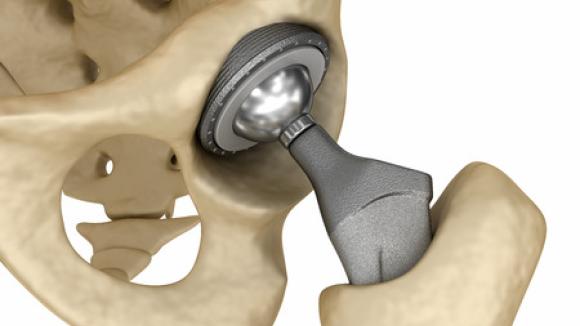
Data from Swedish hip replacement registry finds that total hip arthroplasty not only improves quality of life, it is also associated with increased life expectancy that lasts for 10 years after surgery, especially in primary osteoarthritis patients.
Capelli and colleagues have studied patients treated with ICIs and found two variants of inflammatory arthritis (IA) - a reactive arthritis like large joint arthritis with combination ICI therapy or a small joint IA with ICI monotherapy.
Dr Jack Cush reviews highlights from the past week on RheumNow.com. This week’s video is in two parts; for part Ii, go to https://buff.ly/2BM9MjL
Many protocols call for anticoagulation after total hip or total knee arthroplasty to prevent venous thromboembolism (proximal deep-vein thrombosis or pulmonary embolism), and some reports have suggested a role for aspiring or direct oral anticoagulants as preventative therapy. The NEJM has reported that oral anticoagulation with rivaroxaban (Xarelto) followed by aspirin to be effective prophylaxis.
A Taiwanese study of 55,629 hypertensive patients shows no increased risk of major cardiovascular events comparing outcomes of patients started on COX-2 selective NSAIDs compared with nonselective NSAIDs (including ibuprofen, diclofenac and naproxen).
New guidelines have been developed by the American Society of Clinical Oncology (ASCO) and the National Comprehensive Cancer Network (NCCN) on how to assess and manage of immune checkpoint inhibitor side effects that are often autoimmune in nature.
An analysis of 43,706 adults from the 1999-2014 National Health and Nutrition Examination Surveys (NHANES) demonstrated temporal trends in the prevalence of arthritis, including a rise in osteoarthritis (OA) from 6.6% to 14.3%, while the prevalence of rheumatoid arthritis (RA) decreased from 5.9%