
Article
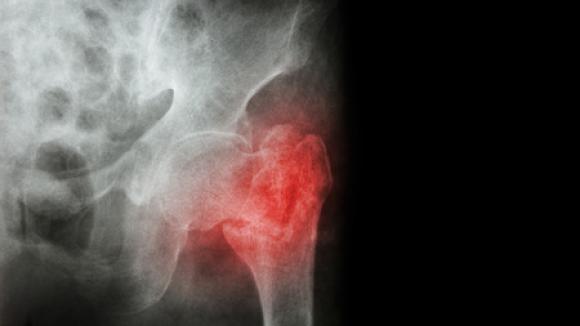
Reuters reports that the incidence of hip fractures in older women in the U.S. is rising after more than a decade of decline, according to a large new study of Medicare recipients.

Search for Terms or Answers
Reuters reports that the incidence of hip fractures in older women in the U.S. is rising after more than a decade of decline, according to a large new study of Medicare recipients.
Dr. Jack Cush reviews a dozen highlights from the past week on RheumNow.com.

PNAS reports use of ibuprofen by males may result in antiandrogen effects that may contribute to adult male reproductive problems.

The latest issue of CDC’s MMWR reports that exercise counseling among arthritis patients increased from 52% to 61% (2002 to 2014); hence ~40% do not receive health care provider counseling, suggesting the need for provider education and training in exercise counseling, and improved electroni

Researchers in the NEO-RACo Study Group studied adverse events (AEs) in relation to disease activity in patients with early rheumatoid arthritis (RA).
The rate of small - but not large - joint surgery has dropped among patients with rheumatoid arthritis since 1995, a retrospective review of orthopedic surgeries found. By 2015, less than 1% of patients per year underwent small joint surgery, reported Ashima Makol, MD, of the Mayo Clinic in Rochester, Minnesota, and colleagues in Arthritis Care & Research.
MedPage Today Editors surveyed a few rheumatologists for their major news predictions in 2018. Read on for predictions regarding drug pricing, biosimilars, autoimmunity and checkpoint inhibitors, and thrombotic events and JAK inhibition.

The Journal of Rheumatology has published a nationwide survey of US rheumatologists and shown that despite trends for increasing metric assessments, nearly half of rheumatoid arthritis (RA) patients are not routinely assessed with a disease activity metric and the evidence they

Rheumatology has published a study demonstrating that bone marrow edema as measured by magnetic resonance imaging (MRI) may be found in healthy people, but that such changes do not change with intense physical activity.
Dr. Jack Cush reviews highlights and news from the past week on RheumNow.com.
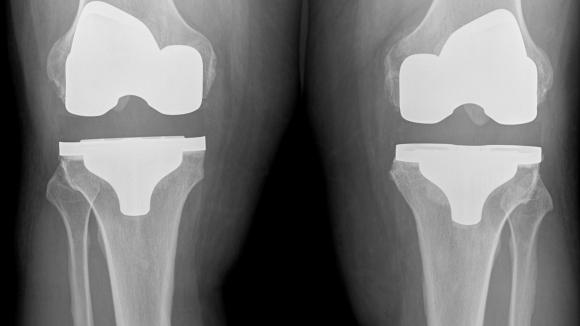
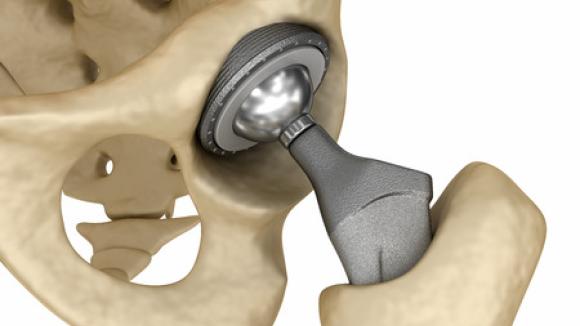
A time-series analysis of incident rheumatoid arthritis (RA) patients seen between 1996 and 2011 in the Danish National Patient Register shows that the incidence of hip (THR) and knee replacements (TKR) began to decrease after the introdution of biologic agents for RA in 2002.
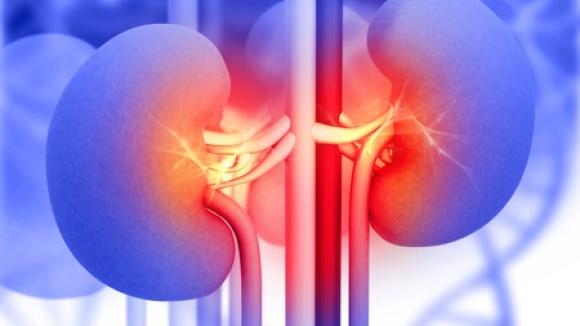
Renal dysfunction is common among patients with rheumatoid arthritis (RA), particularly among older patients, women, and those with hypertension, Japanese researchers reported.
Despite a growing body of evidence suggesting that maternal health is more important than maternal medications to fetal and infant outcomes, little is known about the long term oucomes of infants born to mothers with rheumatoid arthritis (RA). Using Danish population data, researchers have shown in utero exposure to maternal RA is associated with an increased risk of thyroid disease, and an increased risk of future RA.

Dr. Jack Cush covers the news and journal articles published on RheumNow.comin the past week.
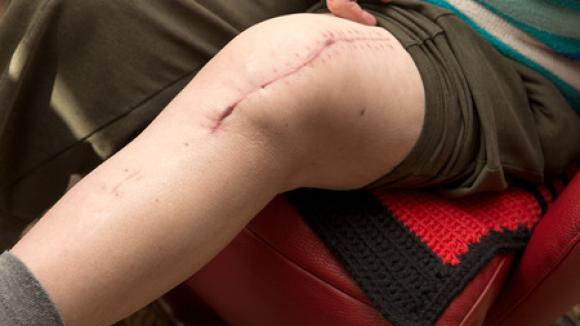
Reuters reports that patients who live in low-income communities and lack a college education may have worse pain after knee replacement surgery than their more educated neighbors, citing results from a recent study from the Hospital for Special Surgery in NY.
Staying on a TNF inhibitor (TNFi) throughout major surgery has generatlly been associated with higher rates of perioperative infection (https://buff.ly/2iBFVjp). On the other hand, discontinuation of the TNFi prior to surgery is associated with lower ra
During 2017, the improvements and refinements seen during previous years in the treatment of rheumatoid arthritis have been extending to other conditions ranging from psoriatic arthritis to lupus and for both monoclonal antibodies and oral small molecule medications.

Drug Safety has published a systematic review of the FDA’s Adverse Event Reporting System (FAERS) and finds numerous reports of thromboembolic adverse events (AEs) associated with two currently marketed Janus kinase (JAK) inhibitors, tofacitinib (Xeljanz) and ruxolitinib (Jakafi).
The PRECISION trial reported last year that celecoxib appears to be safer than the NSAIDs naproxen or ibuprofen in treating osteoarthritis (OA) and rheumatoid arthritis patients who are at increased cardiovascular risk. New data suggests that adding aspirin may nullify this advantage, according to a study presented at the annual American Heart Association meeting and reported by Medscape.

Dr Jack Cush reviews nighlights and news from the past 2 weeks on RheumNow.com. This week's report includes new drug approvals, disappointing ACR guidelines, Lyme & Zika, infertility, dermatomyositis skin outcomes and myositis-associated cancer testing.
By downloading this material, I acknowledge that it may be used only for personal use and personal education and that I will accredit RheumNow.com as the source and owner of this material. Commercial use or mass reproduction of this material without permission from RheumNow (info@rheumnow.com) is prohibited.

