Article
Dr. Jack Cush reviews the news from the last week on RheumNow.com - from the ACR SOTA 2017 meeting in Chicago:

Search for Terms or Answers
Dr. Jack Cush reviews the news from the last week on RheumNow.com - from the ACR SOTA 2017 meeting in Chicago:

Despite the folklore, not all women with arthritis who become pregnant will improve or go into remission. Recent studies have suggested that up to one-third of RA patients will flare during pregnancy.

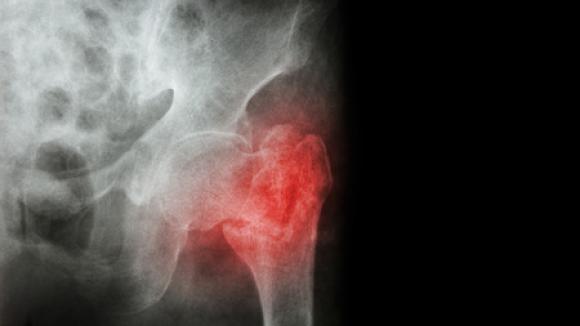
The morbidity associated with osteoporosis-related fragility fractures imposes tremendous socioeconomic and medical impact on patients and society.
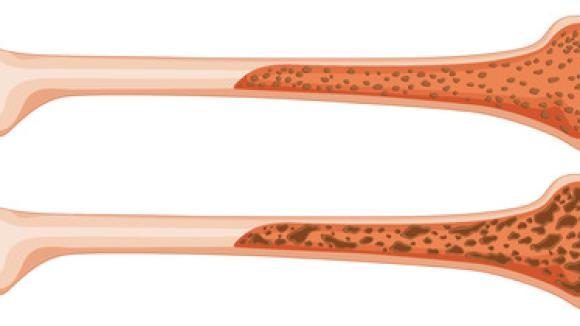
Extending bisphosphonate treatment beyond 3–5 years does not confer additional benefit in low-risk populations. Treatment re-initiation (usually 1–3 years after bisphosphonate withdrawal) depends on risk factors, new fractures and bone mineral density. The evidence regarding denosumab discontinuation is limited but caution is advised, as there may be a “rebound effect” with regard to fractures.
On the 21st of April, the FDA approved another infliximab biosimilar, called Renflexis (Infliximab-abda) following on the biologics license application of the South Korean manufacturer Samsung Bioepis Co. LTD. In early developmental trials this agent was also called SB2.

Dr. Jack Cush reviews highlights from the past week on RheumNow.com:

Something is curiously wrong when a drug induces the disease it is intended to treat. Yet this phenomenon has been described with all five FDA-approved TNF inhibitors.

Lancet has reported the results of risankizumab, an interleukin-23 (IL-23) inhibitor, in Crohn's disease. Risankizumab is a humanised monoclonal antibody targeting the p19 subunit of interleukin-23, and is being developed for Crohn's disease.

The NY Times points out "there is is an out-of-control epidemic in the United States that costs more and affects more people than any disease Americans currently worry about. It’s called nonadherence to prescribed medications, and it is — potentially, at least — 100 percent preventable by the very individuals it afflicts.

Dr. Jack Cush reviews the past week's news, articles and advances from RheumNow.com.
Steroids are known for their acute therpeutic wonders and chronic hazards. Hence most practitioners are comfortable using short term, limited dose corticosteroids for a variety of ailments.

When do the risks outweigh the benefits of NSAIDs use, especially in those with prior cardiovascular and gastrointestinal events? The CONCERN study has tested the effects of proton-pump inhibitor (PPI) in preventing GI bleeds when using NSAIDs and ASA.

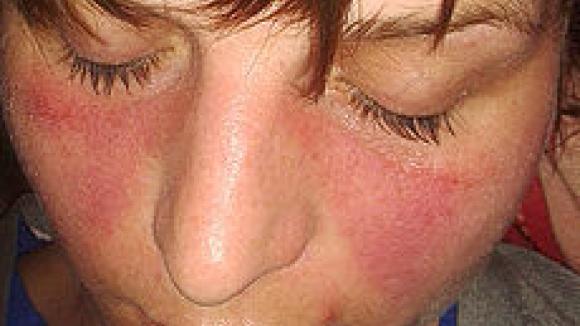
Hydroxychloroquine has become a mainstay in the treatement of patients with systemic lupus erythematosus (SLE) with proven efficacy in managing many domains of lupus, including skin, joint, and other autoimmune features.
An updated systematic literature review has provided reassuring evidence regarding the increasing safety of biologic disease-modifying anti-rheumatic drugs (DMARDs) in the treatment of rheumatoid arthritis (RA), European researchers reported.

The issue of medication management is a complicated one, especially in complex rheumatoid arthritis (RA) patients taking biologic or immunosuppressive drugs.

Dr. Jack Cush reviews highlights from the news and Advances in Targeted Therapies meeting in Mandelieu, France:
Tweeting this week from Advances in Targeted Therapies #ATT2017 in Mandelieu, France.
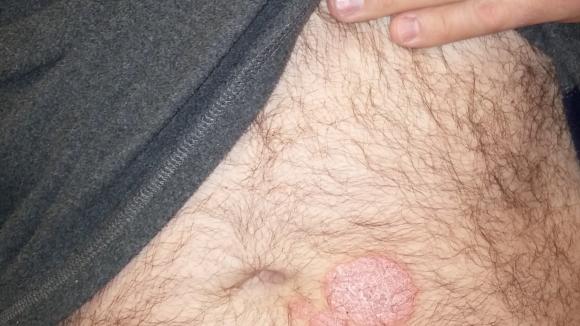
Tumor necrosis factor-α inhibitors (TNFi) rarely have been reported to induce new-onset psoriasis.
Two current articles in the Journal of Rheumatology address issues surrounding mortality risk among those with new and established gout.

Rheumatoid arthritis (RA) patients have a higher risk of certain cancers (e.g., skin, lung, lymphoma). At issue is whether the newer agents modify this risk appreciably.
By downloading this material, I acknowledge that it may be used only for personal use and personal education and that I will accredit RheumNow.com as the source and owner of this material. Commercial use or mass reproduction of this material without permission from RheumNow (info@rheumnow.com) is prohibited.