Eosinophilic granulomatosis with polyangiitis (EGPA) is a rare form of anti-neutrophil cytoplasmic antibody (ANCA)-associated vasculitis, affecting between 10 and 14 cases per million globally. This adult disorder has a mean age at diagnosis of nearly 50 years and affects both sexes equally, presenting with pulmonary symptoms (asthma), eosinophilia and granulomatous or vasculitic involvement of several organs. A multidisciplinary, multinational European group has developed evidence-based, guidelines for the diagnosis and management of EGPA, intended to include recent advances.
All News
A retrospecitve cohort comparision of juvenile (jSSc) and adult-onset (aSSc) systemic sclerosis (SSc) are both rare but present differently.
Opportunistic and chronic infections may be rare and are often difficult to diagnose, especially in patients with autoimmune inflammatory rheumatic diseases (AIIRD), that may be immunocompromised.
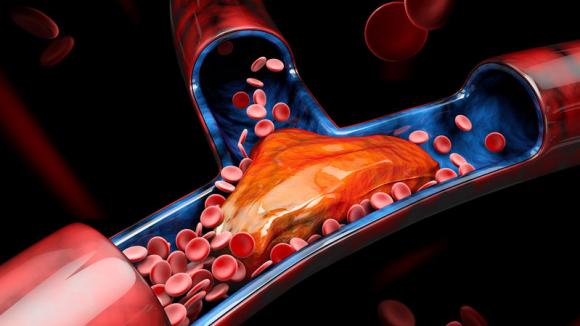
A cohort study analyzed the risk of venous thromboembolism (VTE) in dermatomyositis (DM) patients treated with intravenous immunoglobulin (IVIG).
A current review of the epidemiology of IgG4-related disease (IgG4-RD) in the USA shows a low prevalence with possibly increasing numbers, owing to increasing awareness of this unique immune-mediated condition.
On the first day of ACR State of the Art conference in Orlando, Florida, Dr. Michelle Petri reviewed the treatment and management of neuropsychiatric lupus. Dr. Petri, a lupus expert from Johns Hopkins Rheumatology, reviewed the latest clinical and animal model studies that offer hope in treatment and gave wide-ranging pearls on a variety of issues that can be faced in this disorder.
Dr. Jack Cush reviews the news and journal reports and addresses 3 viewer case questions.
Aging Mechanisms Tied to Giant Cell Arteritis
Senescence pathways are involved in giant cell arteritis (GCA), an analysis of patient tissue samples suggested, which may account for the efficacy of one agent now used for the disease and another in commercial development.
Dr. Jack Cush reviews the news and journal articles from the past week on RheumNow.com, including Rheumatology success in the NRMP MATCH, Cocaine vasculitis and worrisome safety risks with Biologics and tsDMARDs.
BRIDGE-PMR proof-of-concept trial assessed the efficacy of rituximab (RTX) in patients with polymyalgia rheumatica (PMR) and showed that a single 1000 mg dose of lead to a significant number of glucocorticoid-free remissions after 1 year.
British Society for Rheumatology (BSR) last published its guideline for systemic sclerosis (SSc) in 2016. Given the many advances in the field the BSR has outlined their plans to update the management of SSc.
NIH researchers have have described a novel autoinflammatory disorder called "Lyn kinase-associated vasculopathy and liver fibrosis" (LAVLI), based on a mutation in the LYN gene (that encodes the Lyn kinase protein).
EULAR has published the 2022 update on recommendations for the management of antineutrophil cytoplasmic antibody (ANCA)-associated vasculitis (AAV).
A single center cohort study analyzed the outcome and survival of idiopathic inflammatory myositis (IIM) patients and showed good 5 and 10 year survival but showed significant declined 15-25 years post-diagnosis.
A small cohort trial of rituximab (RTX) in 29 systemic sclerosis patients showed significantly improved skin sclerosis and lung function after a follow-up of 96 weeks.
Orphan drugs target rare dz <200k. New drugs (2008-2016) compared 5 yr sales 86 orphan Rx to 232 non-orphan = similar sales- Orphan ($719 mill) vs nonorphan ($812 mill). But orphan Rx lower volume offset by higher prices (7X higher) than nonorphan drugs https://t.co/I8kb4A0eyG https://t.co/gEQpssRVkg