It does not come as a surprise to anyone anymore that Acute Coronary Syndrome (ACS) is one of the major causes of morbidity and preterm mortality in RA. What we don’t know is what measures need to be taken to modify the risk and how effective such measures are.

All News
Curbside Consults are cases submitted by our rheumatology colleagues as challenging therapeutic or safety issues. Answers are based on experience, with added evidence from the medical literature and published guidelines. Here are four new cases.
Dr. Jack Cush reviews highlights from the past week on RheumNow.com:
The 12 month POET study analyzed 817 rheumatoid arthritis (RA) patients who achieved remission or low disease activity (LDAS) for ≥6 months and then randomized 2:1 to stopping or continuing their TNF inhibitor.
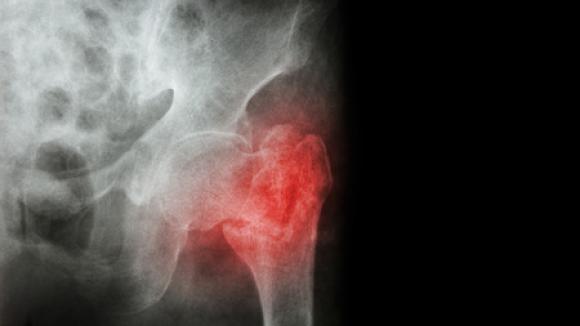
Among older patients using medium to high doses of the anti-inflammatory steroid prednisolone, treatment with the osteoporosis drug alendronate was associated with a significantly lower risk of hip fracture, according to a study published by JAMA.
Pianta, et al have published their findings in the Journal of Clinical Investigation showing that two novel autoantigens, GNS and FLNA, are highly expressed in synovium and share a sequence homology with gut microbesa; thereby providing a potential link between gut mucosal and joint immunity in rheumatoid arthritis.
The American College of Rheumatology has partnered with the American Association of Hip and Knee Surgeons to develop consensus-based guidelines for perioperative management of antirheumatic therapies for patients with rheumatic diseases who plan to undergo total joint replacement.
Saturday was a day of big posters and special seminars at EULAR in Madrid. In the morning, I passed on an interesting session on nailfold capillaroscopy led by Dr. M Cutolo and went to a JIA outcomes session.
Researchers sought to describe the characteristics of patients with concurrent septic and crystal arthritis through a retrospective analysis of patients with the concomitant diagnoses between 1985-2015 at a university hospital in Spain.
Friday was a mega-day in Madrid as this day all the late-breaking abstracts were presented, in addition to the bulk of high-impact podium presentations in several areas.
Here are the major presentations from several clinical areas.
Today during the comorbidities in RA session, Dr. Leonard Calabrese spoke about herpes zoster (HZ).
The current Lancet edition for 10 June 2017 is a rheumatology rich collection.
On Monday June 11th, the US Supreme Court unanimously ruled that biosimilar manufacturers can bring their drugs to market faster by eliminating the provision that the biosimar manufacturer had to give the innovator company 180 days notice before launching the new biosimilar.
Subcutaneous (SC) abatacept (Orencia) is now available for use in patients 2 years of age and older with moderately to severely active polyarticular Juvenile Idiopathic (JIA) according to Bristol-Myers Squibb.
Vaccinating our rheumatoid arthritis patients against influenza every year is a safety priorty. However immunosuppressive therapies pose a challenge to vaccine administration as their use can hamper vaccine immunogenicity.
Drs. Kremer and Weinblatt have responded to a recent Annals of Rheumatic Disease article regarding the hepatic risks of alcohol use with methotrexate (MTX) therapy authored by Humphries et al. (Citation source: http://buff.ly/2r70uuz)
The American College of Rheumatology has updated its 2010 guideline for the prevention and treatment of glucocorticoid-induced osteoporosis. The guideline provides recommendations on assessing fracture risk and treatment for adults and special patient populations, including women of childbearing potential, adults treated with very high-dose glucocorticoids, adults with organ transplants, and children ages 4-17.
AbbVie released the preliminary results of a rheumatoid arthritis trial wherein its Jak inhibitor, upadacitinib, was tested against placebo, and shown to be superior in established RA patients who have failed prior DMARD therapy.
Manpower in rheumatology is about to be a major problem for the next several decades: not enough trainees, a "tsunami of retiring older white rheumatologists", and an aging baby-boomer, arthritis-primed population will strain current resources and manpower. Moreover, necessary services will not likely be available to those in need and there may be a significant maldistribution of adequate rheumatologic care.
Biosimilars continue to command a great deal of research, development and attention given the promise of significant cost savings and potentially wider use for those in need. Biosimilar Reports is an ongoing series dedicated to advances, discussions and developments in biosimilar agents intended for use by rheumatologists.