Baricitinib is an oral, small molecule, once-daily DMARD, that specifically inhibits Janus kinase 1 and 2 and is being developed for use in rheumatoid arthritis. With much of the developmental clinical trials completed, the drug is slated for review and potential approval near the end of the year.

All News
Three new FDA approvals, proteomics, cancer, infectious risk, nonadherence and disappointing clinical trial results covered in this RheumNow Week in Review.
BMJ has reported the results of a case-control study that analyzed the risk of hospitalization from heart failure associated with the use of NSAIDs amongst healthcare databases from four European countries (the Netherlands, Italy, Germany, and the United Kingdom).
Rates of serious infection and mortality among patients with systemic lupus erythematosus (SLE) did not depend on the immunosuppressive drug regimen they were on, investigators reported.
2016 has been a big year for biosimilars in rheumatology.
Most US rheumatologists use multiple TNF inhibitors before switching. A new French study suggests that "other-MOA", non-TNF biologics are more effective after failing a TNF inhibitor.
A recent review has shown that tumor necrosis factor-α inhibitors (TNFi) rarely cause MS-like disorders.
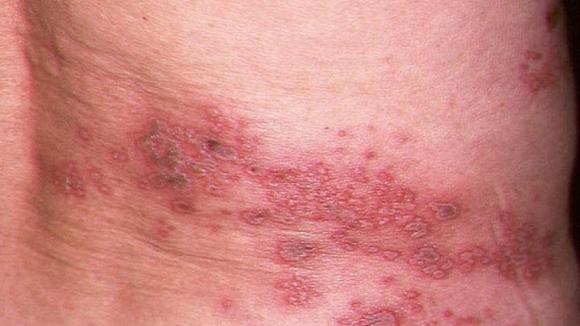
In the current issue of the NEJM, a Herpes zoster subunit vaccine was reported to be highly effective in adults - specifically in 2 studies (ZOE50 and ZOE70) targeting adults over age 50 and over age 70 years. (Citation source: http://buff.ly/2cMng17)
Updates and journal articles on opioids, drug induced sarcoidosis, cancer and cancer recurrence risks with TNF inhibitors and biologics, and FDA labeling changes.
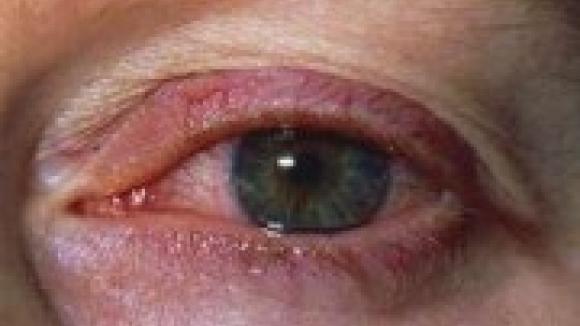
Rheumatologists may encounter patients with intermediate, posterior and pan-uveitis as part of certain rheumatic diseases such as Behcet’s, but more frequently may be called on to co-manage these patients with steroid sparing agents.
Dr. Jack Cush reviews highlights from the past week on RheumNow.com, including IBD/TNFi and cancer risk, fracture nonunion, PMR worse in women, not treating asymptomatic hyperuricemia, and shingles followed by stroke.
Patients with autoimmune inflammatory diseases who develop herpes zoster are at increased risk of stroke for the subsequent 3 months, with risks diminishing thereafter, analysis of Medicare data showed.
The factors that influence the safety of biologic therapy are numerous. Amongst them, increasing age is a potential risk factor, moreso if you also consider the polypharmacy, comorbidities and longer disease duration inherent in an elderly group of rheumatoid arthritis (RA) patients.
Dr. Jack Cush reviews highlights from this week in RheumNow:
Yesterday the U.S. Food and Drug Administration approved a new biosimilar, Erelzi, (etanercept-szzs), for the same multipile indications as the originator Enbrel, including rheumatoid arthritis, plaque psoriasis, Erelzi, will be generically labelled as etanercept-szzs.
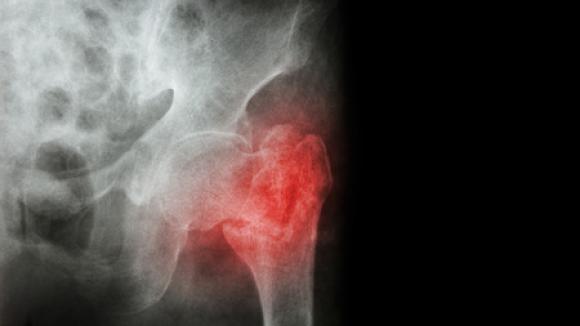
In 2015, the Food and Drug Administration (FDA) updated the warnings of all marked bisphosphonates to include the risk of osteonecrosis of the jaw (ONJ) and atypical femoral fractures (AFF).
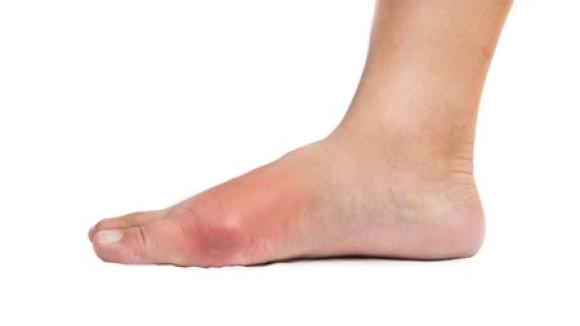
Lesinurad (Zurampic) was approved earlier this year as adjunctive therapy to other urate-lowering therapies. It is a selective uric acid reabsorption inhibitor (URAT-1 inhibitor) designed to treat gout, and be used in combination with other xanthine oxidase inhibitors.
Dr. Jack Cush reviews news and journal reports from the past week on RheumNow.com.
Current guidelines regarding the use of biologics in patients who have previously had a malignancy are based more on opinion than evidence.
Is the occurrence of a fragility fracture a missed opportunity to reduce exposure to prescription drugs associated with fracture risk?