
Article
Warnings of cancer, especially lymphoma, have accompanied the development and promotion of tumor necrosis factor inhbitors (TNFi) in the treatment of RA and other inflammatory disorders.

Search for Terms or Answers
Warnings of cancer, especially lymphoma, have accompanied the development and promotion of tumor necrosis factor inhbitors (TNFi) in the treatment of RA and other inflammatory disorders.
Circadian rhythms may be disrupted or become exaggerated in a variety of inflammatory conditions. For instance, interleukin-6 (IL-6) and IL-1 have a known circadian cycle to their production, but the same can not be said for TNF.

Infections are a concern for many when using tumor necrosis factor-α inhibitor (TNFi) therapy to treat inflammatory disorders. Even moreso in those at higher risk.
Patient-reported outcomes in rheumatoid arthritis (RA) correlate independently with measures of inflammation and structural damage on MRI scans, according to data from a longitudinal study.
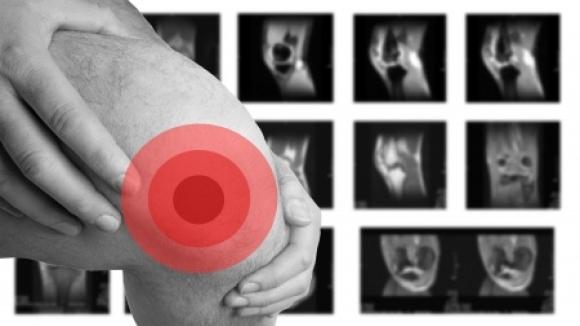
Nerve growth factor (NGF) is a key modulator of pain perception, Inhibitors of NGF are being studied in several chronic pain conditions, including osteoarthritis (OA).
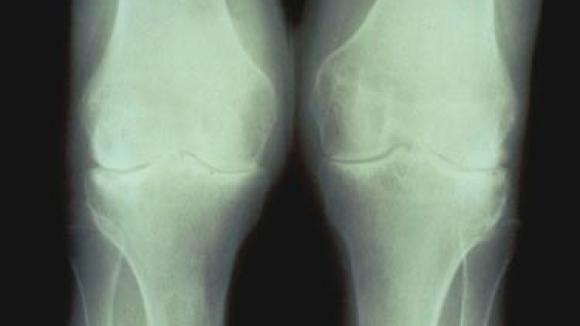
Chingcuanco and coinvestigators have reported on their comparative analysis of biosimilars and their originator TNF inhibitors in the current issue of Annals of Internal Medicine. (Citation source: http://buff.ly/2arTd1q)

Tumor necrosis factor (TNF) receptor-associated periodic syndrome (TRAPS) is an autosomal-dominant autoinflammatory disease resulting from mutations of the TNF super family receptor 1A (TNFRSF1A) gene.

Dr Jack Cush reviews this week's highlights from RheumNow.com.

Burmester and colleagues have published their review of the long-term outcomes and safety issues with the TNF inhibitor, adalimumab (ADA). The analysis included 15,132 patients exposed to adalimumab in global RA clinical trials.

From tofacitinib developmental trials in RA and psoriasis and adherence to T2T in early RA to a rheumatology pearl about dapsone and much more, here are the highlights of what you may have missed on RheumNow.com this week.
Vitamin D certainly plays a pivotal role in bone health and immune function.
In the last 6 months, the FDA Arthritis Advisory Committee has recommended three biosimilars (CT-P13, GP-2015, ABP-501) for approval, with one achieving FDA approval Inflectra/CT-P13) and the other two pending a probable approval in the months to come.

Porter and colleagues have reported that both rituximab (RTX) and tumour necrosis factor inhibitors (TNFi) are equally and highly effective in early, active, biologic-naive rheumatoid arthritis patients.

The issue of lower intestinal tract perforation (LIP) is no novelty to rheumatologists since the RA treatment paradigm shifted from use of NSAIDs (the most common cause of upper GI tract perforations) to steroids and non-steroidal DMARDs.

Dr. Jack Cush reviews highlights from this week's rheumatology news on RheumNow.com.
The Food and Drug Administration’s Arthritis Advisory Committee (AAC) yesterday recommended that the Sandoz etanercept (Enbrel) biosimilar (GP-2015) be approved for use in the United States.

In Genome Medicine, Mayo Clinic researchers investigated a cohort of rheumatoid arthritis (RA) patients, their relatives and a healthy control group analyzing the gut microbiome vial16S ribosomal DNA analysis of fecal samples.

Cryotherapy is a non-FDA approved treatment that has been promoted to treat post-athletic injury, osteoarthritis,rheumatoid arthritis, fibromyalgia, alzheimers, migraines, asthma, multiple sclerosis, etc. Cryotherapy may be as simple as ice packs on a localized portion of the body, such as the lower back, or may involve whole body cryotherapy.

PNAS has published a study wherein an inducible “inflammatory reflex” delivered by vagus nerve stimulation was shown to inhibit the production of tumor necrosis factor (TNF), an inflammatory molecule that is a major therapeutic target in an animal model of rheumatoid arthritis (RA).
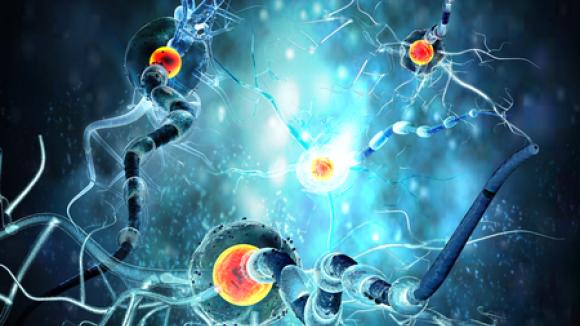
Sclerostin, an inhibitor of the Wnt/β-catenin pathway, negatively regulates osteoblast differentiation and has anti-anabolic effects on bone formation. Thus, inhibition of sclerostin is currently being studied as therapy for postmenopausal osteoporosis.
By downloading this material, I acknowledge that it may be used only for personal use and personal education and that I will accredit RheumNow.com as the source and owner of this material. Commercial use or mass reproduction of this material without permission from RheumNow (info@rheumnow.com) is prohibited.

