Who is the greatest rheumatologist? What makes for a great rheum? Is it clinical acumen, scientific achievement, educational prowess or years of unrivaled service or mentoring? Rheumatologists are quite opinionated on this subject and very nostalgic about their mentors and leaders. When I’ve posed this question in small groups, it’s plain to see how moved they become when discussing mentors or peers who influenced them. Thus, I posed this question to many of our leaders and mentors: who do you think of as the greatest rheumatologist?

All News
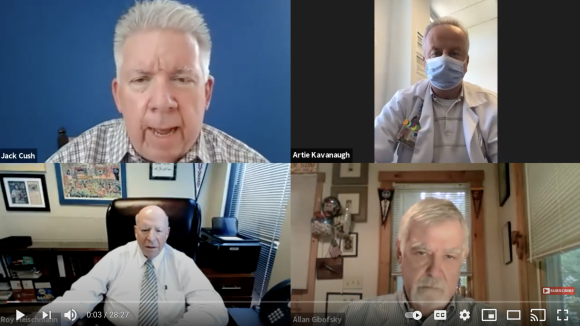
Dr. Jack Cush is joined by Drs. Roy Fleischmann (Dallas), Allan Gibofsky (NYC), and Artie Kavanaugh (San Diego) to discuss the 9/2/21 FDA Drug Safety Communication regarding the cardiovascular and cancer risks arising from the Pfizer 1133 (ORAL Surveillance) tofacitinib study, but also applied to baricitinib and upadacitinib.
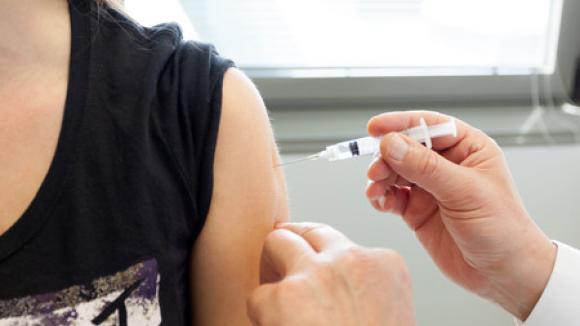
The current NEJM reports that the use of the Pfizer mRNA vaccine (BNT162b2) demonstrated a very low risk for certain serious adverse events, including the risk of myocarditis (1 to 5 events per 100,000 persons).
A prospective study evaluated the value and associations with morning stiffness in patients with clinically suspect arthralgia, and found that the presence of morning stiffness increases the odds of inflammation (as detected by CRP and MRI synovitis).
Today, the U.S.
A current report in Arthritis & Rheumatology examined the Nurses Health Study II data set and shows that parental smoking, and passive exposure to children, can later lead to an increased risk of adult-onset incident seropositive rheumatoid arthritis (RA).
Today, public health and medical experts from the U.S. Department of Health and Human Services (HHS) released the following statement on the Administration’s plan for COVID-19 booster shots for the American people.
What Factors Predict RA in First-Degree Relatives?
Among a cohort of first-degree relatives of patients with rheumatoid arthritis (RA), certain patient characteristics, as well as symptoms, helped predict a possible increased risk for developing the disease, U.K. researchers reported.
Booster Shots for Rheumatology Patients on Immunosuppressive Medications
ATLANTA – The CDC's Advisory Committee on Immunization Practices today recommended that rheumatology patients being actively treated with high-dose corticosteroids, alkylating agents, antimetabolites, TNF blockers, and other biologic agents that are immunosuppressive or immunomodulatory receive a third dose of the Pfizer-BioNTech or Moderna mRNA COVID-19 vaccines.
"Fibromyalgianess" is highlighted as a risk factor for undue, extended glucocorticoid use in rheumatoid arthritis (RA) patients, according to Wallace and colleagues in Rheumatology.
An increased cardiovascular disease (CVD) risk in rheumatoid arthritis is well known and feared but an RA cohort study suggests that preventive medication use in RA patients lags behind that seen in diabetes mellitus (DM).
Today the Centers for Disease Control and Prevention (CDC) said that masks should be used by those vaccinated against the coronavirus in public indoor spaces in parts of the country where the virus is surging.
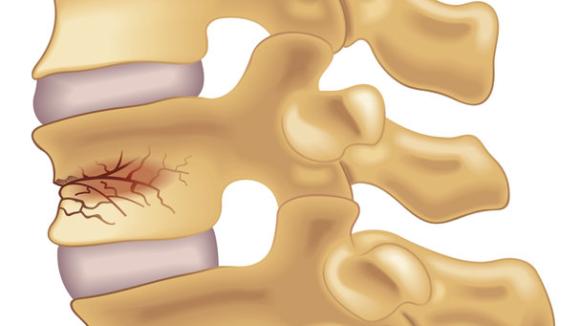
A large RA cohort analysis shows that low-dose glucocorticoid therapy in rheumatoid arthritis (RA) patients may carry an increased risk of vertebral osteoporotic (OP) fractures.
Lancet Rheumatology has published a cohort analysis showing that a small but significant subset of children presenting with arthralgia or arthritis may have a pediatric malignancy.
2020 was historic, memorable and game-changing. Under the cloud of COVID-19, there were many significant and memorable advances and setbacks for the rheumatology world. In our accounting of most read articles for 2020, (not surprisingly) 17/20 were COVID-related.
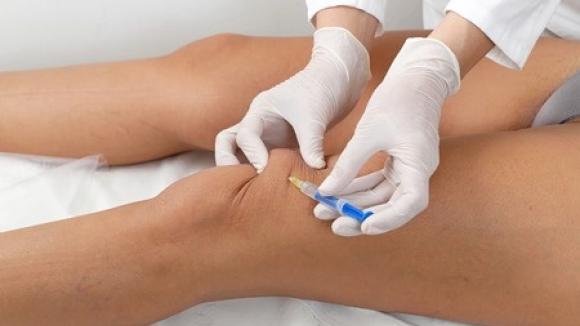
EULAR has published evidence-based recommendations on the use of intra-articular therapies (IAT) based on the literature review and recommendations of a multidisciplinary international task force. These IAT recommendations apply to adult patients with peripheral arthropathies.
The 2021 Medscape Survey on Physician burnout ranks rheumatology second, just behind Critical Care medicine.
The survey included over 12,000 physcians from 20 specialties. While 42% of MDs claimed to be burnt-out, Rheumatologists claimed this 50% of the time. The top 3 this year were Critical care (51%), Rheumatology (50%) and infectious disease (49%).
Dr. Jack Cush reviews the news and journal reports from this past week on RheumNow.com.