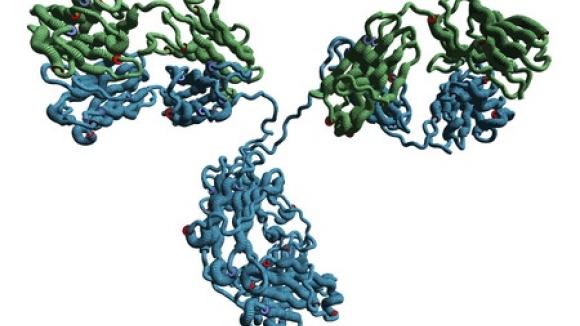
Using Medicare claims data on 189,326 RA patients, researchers at the University of Alabama at Birmingham examined the rates of hospitalized infections in previously biologic-treated RA patients and compared rates in cohorts starting new treatment with etanercept, adalimumab, certolizum

All News
RheumNow is committed to reporting safety issues in our monthly Drug Safety Bulletins. Each month we will update you with reports of new, ongoing and resolved Drug Shortages that will affect the practicing rheumatologist.
The FDA is under pressure over the recent approval of the "female viagra" pill. On August 18th, the FDA announced its approval for Addyi (flibanserin) to treat acquired, generalized hypoactive sexual desire disorder (HSDD) in premenopausal women.
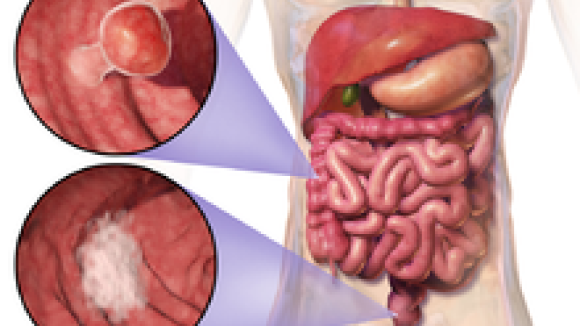
A population-based study from Northern Denmark studied the effects of aspirin and NSAIDs on colorectal cancer rates (Citation source http://buff.ly/1KJQ6H3).
Tektonidou and coworkers have analyzed hospitalized serious infections (SIE) involving lupus patients over a 15 year period and show that SIE in SLE have increased substantially between 1996 and 2011, and in 2011 are 12 times higher than seen in patients without SLE.
Rheumatoid arthritis patients are often said to have no or a low risk of cancer.
Smoking is a well-known inciting or exacerbating factor in many inflammatory diseases, including rheumatoid arthritis, juvenile arthritis, ankylosing spondylitis, Crohn's disease and ulcerative colitis.
Rituximab has been used for years with good efficacy, but with several safety concerns. Van Vollenhoven and colleagues have published the cumulative clinical trial safety experience of RTX wherein 3595 patients 1–20 (average - 4) courses over 11 years [14,816 patient-years (PY)].
Your patient with Crohn’s or ulcerative colitis has a musculoskeletal problem that needs treatment. You consider a nonsteroidal anti-inflammatory drug, but are reminded that “NSAIDs are to be avoided as these drugs will worsen inflammatory bowel disease (IBD)”.
Methotrexate was first introduced in 1955 for leukemia and in 1986 became FDA approved for the treatment of adults with severe, active, rheumatoid arthritis or children with active polyarticular-course juvenile RA.
In reviewing submitted abstracts for the 2014 ACR meeting, I was surprised by several abstracts focusing on neutropenia in patients receiving rituximab.
In July 2015, RheumNow published 73 tweets about impactful news, research and teaching points that I feel will have an impact on the rheumatology community. We had a reach (impressions) of 49,900, 63 mentions, and 1277 visits to RheumNow.com to check out what we publish.
Can We Do Better than FAERS? Brian Overstreet (of Adverseevents.com) has written on MedPageToday.com about the current state of adverse event reporting.
An outbreak of Legionnaires' disease has killed four people and sickened 65 in the Bronx section of New York City since July 10, according to New York City health officials. This Legionnaires' outbreak is now more than five times the number of cases recorded in the last outbre
An 80 year old woman complains of 3 months of rash on her back. It is modestly pruritic. The lesions are both annular and papular appearing over her back, torso and upper arms. She also complains of pain and swelling in her fingers.
Several drugs continue to be in short supply, posing significant problems for patients. Foremost on this list is leflunomide (Arava) which is backordered for both 10 mg and 20 mg tablets.
Leflunomide Shortage
The go-to drug to treat hyperuricemia and gout, allopurinol, put patients at risk for developing hypersensitivity when American College of Rheumatology guidelines weren't followed, a large database study found.
According to the CDC, between 4300 and 9700 children under the age of 16 are diagnosed with juvenile idiopathic arthritis each year - the cause of which is unknown.
It is estimated that Lyme disease affects nearly 30,000 per year in the USA. While it is is still a disorder of the Northeast and upper Midwest, there are more areas also considered to be high risk.
The British Medical Journal reports that the combined use of NSAIDs and anti-depressants were associate with higher rates of intracranial bleeding within 30 days of initiation (Citation source http://buff.ly/1gF3uEJ).