
Article
Dr. Jack Cush reviews the news and journal articles from the past week on RheumNow.com

Search for Terms or Answers
Dr. Jack Cush reviews the news and journal articles from the past week on RheumNow.com

A pilot treatment study of patients with anti-aminoacyl-tRNA synthetase antibody–positive polymyositis/dermatomyositis-associated interstitial lung disease (anti-ARS-PM/DM-ILD) shows therapy with glucocorticoids and calcineurin inhibitors (CNI) to be highly effective.

Boston researchers have shown that consumption of fish rich in omega‐3 polyunsaturated fatty acids (n‐3 PUFA) leads to a lower risk of recurrent gout flares.

Dr. Jack Cush reviews the news and journal articles from the past week on RheumNow.com
An NIH funded prospective study has shown that the use of daily dietary supplements was not associated with a subsequent lowering of mortality risk.

Silverman and colleagues have published their study of the fecal microbiome of systemic lupus erythematosus (SLE) patients and found roughly five times more gut bacteria known as Ruminococcus gnavus, and that these abnormalities in microbiota can correlate with measures of disease severity i

Obese patients with psoriatic arthritis (PsA) who followed a short-term, very low-energy diet showed improvements in multiple aspects of disease activity, a prospective study found.

Short-term intervention with the very low energy diet (VLED) in psoriatic arthritis (PsA) with obesity (body mass index BMI ≥ 33 kg/m2) showed that weight loss was associated with significant positive benefits on weight and disease activity in joints, entheses and skin.
This past week in Chicago gave us a plethora of new and eye-opening research, people, KOLs, exhibits, sessions, guidelines, posters and a never-ending supply of coffee served in small paper cups. ACR 2018 highlights for me included:

Researchers from New Zealand find that in contrast with genetic contributions, diet explains very little variation in serum urate levels in the general population.

The current edition of Lancet Diabetes & Endocrinology suggests that neither vitamin D supplementation, nor dose, will improve bone density or prevent fractures in adults.

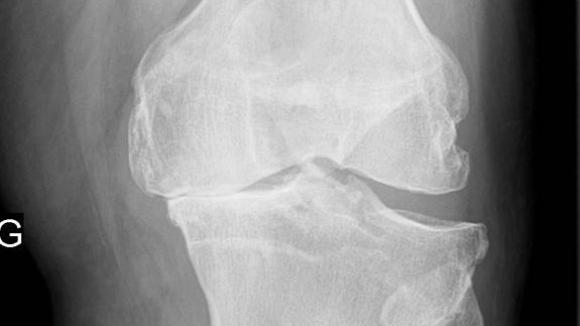
The Maastricht study explored the potential association between dairy consumption and knee osteoarthritis (OA), and found that higher intake of full-fat dairy and Dutch cheese - but not milk - was significantly associated with the lower risk of knee OA.
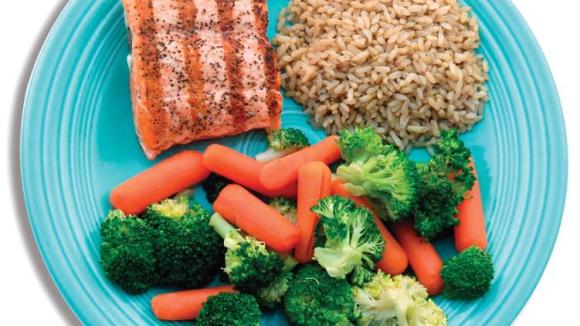
High adherence to a Mediterranean diet appears to be associated with a lower risk of rheumatoid arthritis (RA), especially in men and those who are seropositive, according to a study published in Arthritis Research & Therapy.
A systematic review by the Medical Board of the National Psoriasis Foundation examined the role of diet in managing adult patients with psoriasis and/or psoriatic arthritis and suggest that dietary interventions to reduce disease severity.
Comorbidity is pervasive and complicates medical care in general. It can be a by-product of aging. It may result from drug therapy or an inciting disease process and may be part of the constellation that defines the primary disorder. A growing body of evidence that suggests that comorbidity has a significant dampening effect on drug responsiveness and, adds to poorer outcomes in patients with inflammatory arthritis.

A recent metanalysis suggests that obesity, hypertension and diuretic use are associated with a two-fold increased risk of incident gout.
From a potential of 9923 articles, researchers analyzed 11 studies with data suitable for the meta-analysis.

The National Psoriasis Foundation has released dietary recommendations for adults with psoriasis and psoriatic arthritis, based on a systematic review of the current literature, with the strongest focus on weight reduction for those who are overweight or obese.
MMWR reports that approximately 46 million persons (14%) in the United States live in nonmetropolitan counties, where there is a higher prevalence of obesity-associated chronic diseases such as diabetes, coronary heart disease, and arthritis.

A meta-analysis has suggested that obesity is an under-reported predictor of inferior response to tumor necrosis factor blockade (anti-TNF) in a range of inflammatory immune-mediated inflammatory diseases (IMIDs), with the results showing a 60% risk of impaired response to anti-TNF across several
The CDC's May 4th MMWR reports that from 2002 to 2014, the prevalence of health care provider counseling for weight loss among adults with arthritis and overweight or obesity increased by 10% (from 35% to 45%).
Among the 54.4 million adults with doctor-diagnosed arthritis in the United States, 32.7% are overweight and 38.1% are obese. Moreover obesity is more prevalent among persons with arthritis than among those who do not have arthritis.
By downloading this material, I acknowledge that it may be used only for personal use and personal education and that I will accredit RheumNow.com as the source and owner of this material. Commercial use or mass reproduction of this material without permission from RheumNow (info@rheumnow.com) is prohibited.

