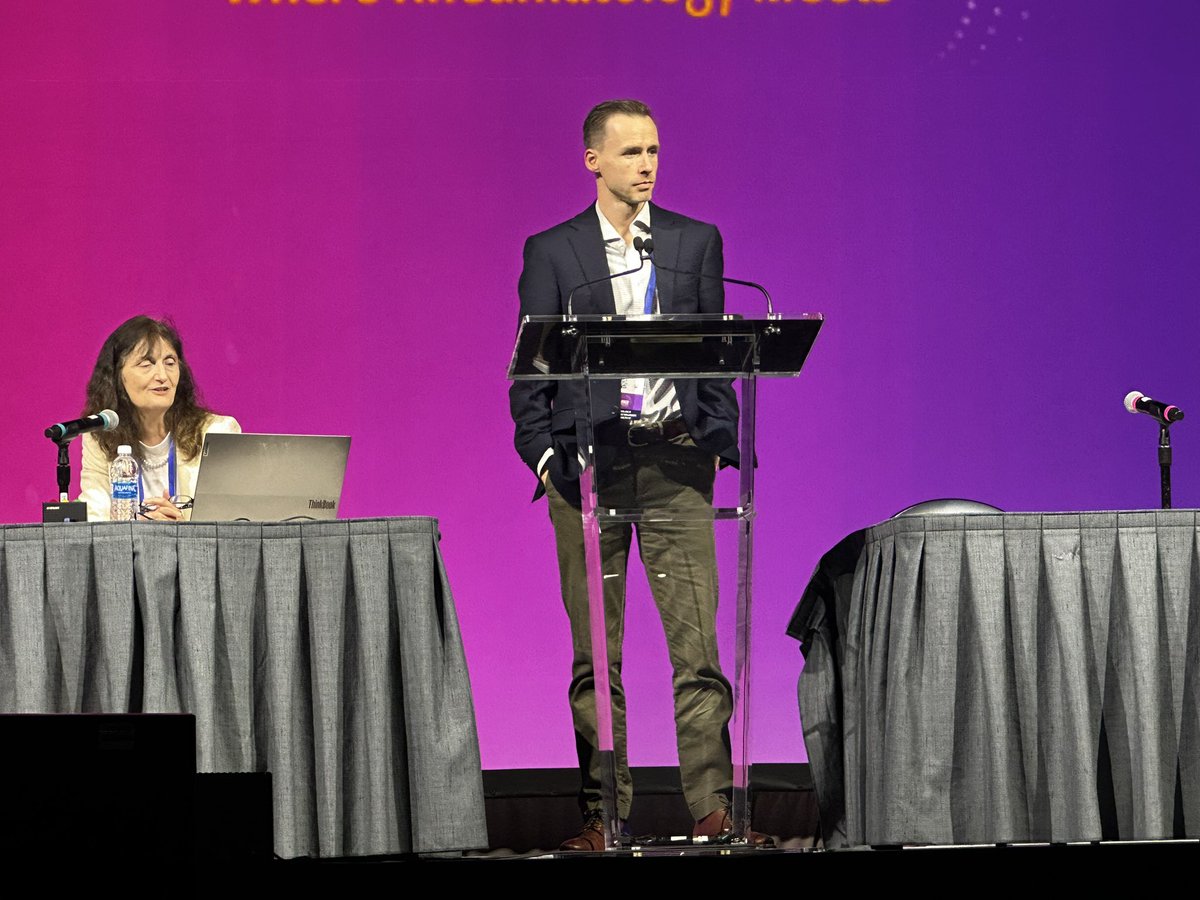
The American College of Rheumatology guidelines for the diagnosis and management of interstitial lung disease, which includes rheumatoid arthritis interstitial lung disease (RA-ILD), has been one of the most controversial topics in the runup to ACR Convergence.

All News
Dr. Jack Cush reviews the news and journal reports from the past week on RheumNow.com. Two major reports on fatigue and fibromyalgia misfired, and "ankylosing spondylitis" is sent to the Rheumatology dead word cemetery.
Men with axial spondyloarthritis (axSpA) were more likely than women to obtain substantial relief with tumor necrosis factor (TNF) inhibitors, a multinational study indicated.
Of the many exciting advancements for patients with psoriatic arthritis at ACR Convergence, one upcoming therapy stood out: the dual IL-17A/F inhibitor bimekizumab. Nearly two dozen bimekizumab abstracts will be featured at this year’s meeting and it recently received authorization in Europe and the U.S. for psoriasis. That makes this the year I plan to figure out where this drug will be useful for my patients with PsA.
Over the years of navigating the annual meeting, I found the sessions with the most impact to my practice were the Plenary Sessions. During these sessions, the latest research is presented, new ideas are floated, and old myths debunked. Here are the top ACR2023 Plenary abstracts I found impactful for my practice.
We have known about the VEXAS (vacuoles, E1 enzyme, X-linked, autoinflammatory, somatic) syndrome for nearly 3 years, but there has been relatively little to say about how to treat it. To date there have been over twice as many publications about VEXAS (263 publications) as there have been patients described with respect to treatment strategies (116 patients). One of the late breaking abstracts may finally have rectified this imbalance.
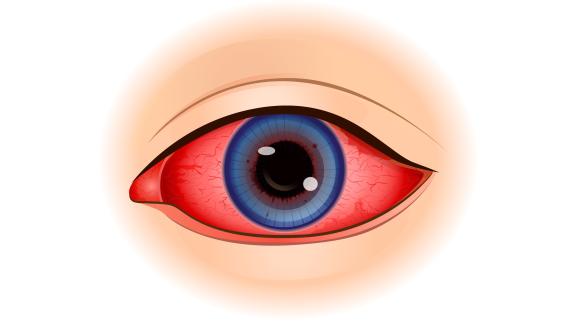
Acute anterior uveitis is the most common extra-musculoskeletal manifestation in axial spondyloarthritis (axSpA) affecting up to 50% of patients in some age groups. AAU can have a significant impact on quality of life with risk of permanent visual deficits if not adequately treated.
Cancer risk minimisation is a high priority for people with rheumatic diseases, as it is for the general population. Tumor necrosis factor inhibitors (TNFi) have a long history of association with cancer risk discussions. An oral presentation by Suarez-Almazor et al provided more supportive data on using TNFi in this population.
Several abstracts have studied the mechanism of action of JAK inhibitors (JAKi) in various diseases. JAKi alter many other mediators affected by the JAK STAT pathway. For instance, T cell signature in blood that is proliferative was associated with a response in RA.
Here's what I learned at ACR23 that will change the way I practice in rheumatoid arthritis.
TNF inhibitors revolutionised the treatment of rheumatoid arthritis. While highly effective for the joint manifestations of the disease, a note of caution was sounded regarding the potential for worsening of ILD with these agents. Within this framework, a study by England et al presented at ACR23 was highly relevant.
Remission had been a dream, an elusive concept. But then, with the introduction of biologics, conventional synthetic and targeted synthetic DMARDS, patients are able to live longer and with a better quality of life. While these therapeutics have been helpful, they are expensive and carry potential side effects. The big question looms: Do we stop or continue treatment?
Drs. Jack Cush and Arthur Kavanaugh discuss highlights and key takeaways from ACR 23.
We have known about the VEXAS (vacuoles, E1 enzyme, X-linked, autoinflammatory, somatic) syndrome for nearly 3 years, but there has been relatively little to say about how to treat it. To date there have been over twice as many publications about VEXAS (263 publications) as there have been patients described with respect to treatment strategies (116 patients). One of the late breaking abstracts may finally have rectified this imbalance.