
Article
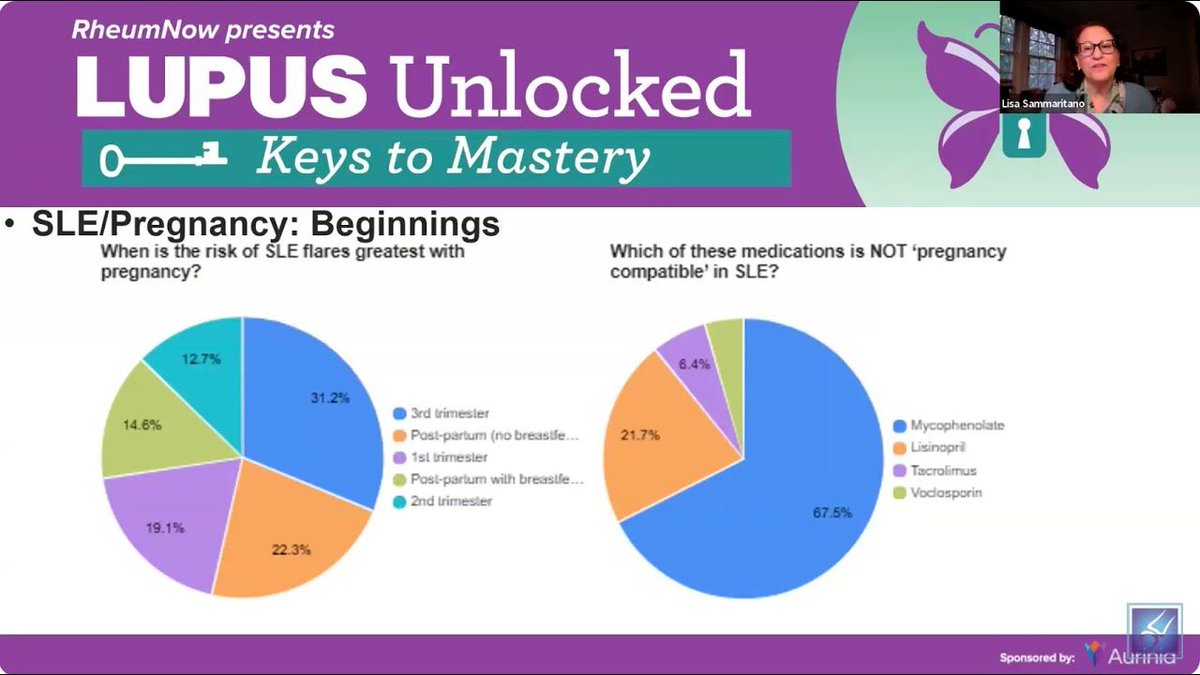
Lancet Rheumatology has published a UK study showing a significant increased in the number of expectant mothers beginning their pregnancies with autoimmune conditions.

Search for Terms or Answers
Lancet Rheumatology has published a UK study showing a significant increased in the number of expectant mothers beginning their pregnancies with autoimmune conditions.

Many of the common symptoms of lupus - fatigue, nociplastic pain, brain fog - can be invisible and difficult to measure, and can often co-occur with impaired sleep, depression and anxiety. These symptoms have led to a well described discordance between physician and patient perception of lupus activity and flares, and this discordance can impact communication, trust, medication adherence, and ultimately outcomes. We developed the Type 1 and Type 2 model many years ago as a means to bridge this gap.

Dr. Diane Kamen. a rheumatologist and lupologist from the Medical University of South Carolina in Charleston, South Carolina, discusses the use of mychophenolate in the management of systemic lupus.

Imagine a world where the multiple drugs in Phase 2 and 3 trials actually get approved, and we get access to them? I know you may be thinking that I am overly optimistic, but there are so many drugs in development in lupus that we may have true difficulty choosing what to use.

Sodium-Glucose Cotransporter 2 Inhibitors (SGLT2i) and Glucagon-like peptide-1 receptor agonists (GLP1-RA) were initially developed as glucose-lowering agents for the treatment of Type 2 Diabetes. Since their introduction, they have been noted to have a myriad of other benefits, including cardiovascular and renal protective effects in patients both with and without diabetes. Here, we will review the evidence for SGLT2i and GLP1-RA in lupus.











By downloading this material, I acknowledge that it may be used only for personal use and personal education and that I will accredit RheumNow.com as the source and owner of this material. Commercial use or mass reproduction of this material without permission from RheumNow (info@rheumnow.com) is prohibited.


