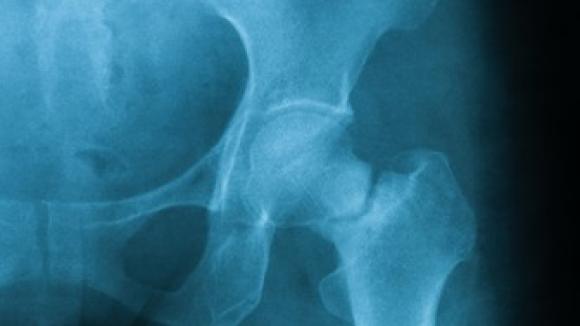
The commonly used Fracture Risk Assessment Tool (FRAX), which includes self-identified race and ethnicity information, and the Osteoporosis Self-Assessment Tool (OST), which does not, had suboptimal performance in determining major osteoporotic fracture risk across racial/ethnic categories in you
All News
The second day of RheumNow Live 2023 held in March ended with a focus on axial spondyloarthritis, especially on the evaluation of the definition of the disease, the inheritance of it, and of course the treatment of it.
Next-generation DNA sequencing (NGS) techniques show the presence of bacterial DNA in surgical specimens of hip and knee arthritis, from patients undergoing first-time total joint arthroplasty, reports a study in The Journal of Bone & Joint Surgery.
New research highlights potential safety concerns around women taking romosozumab, a new anti-osteoporosis drug available on the NHS.
This week I reached out to many leaders in rheumatology and asked: who are the great women in rheumatology who should be recognized? This was prompted by a smart article in Annals of Rheumatic Disease written by Drs. Tuhina Neogi (Boston) and Nicola Dalbeth (N. Zealand), entitled "Where are the women ‘Heroes and Pillars of Rheumatology’?
A prospective, cross-sectional analysis of patients with rheumatoid arthritis (RA) shows those with interstitial lung disease (ILD) tend to be older, obese and have a smoking history.
Tofacitinib (Xeljanz) in patients with rheumatoid arthritis (RA) stood out among several other biologic and targeted synthetic disease-modifying antirheumatic drugs (sDMARDs) when it came to the incidence of interstitial lung disease (ILD), a retrospective cohort study showed.
The second day of RheumNow Live 2023 ended with a focus on axial spondyloarthritis, especially on the evaluation of the definition of the disease, the inheritance of it, and of course the treatment of it.
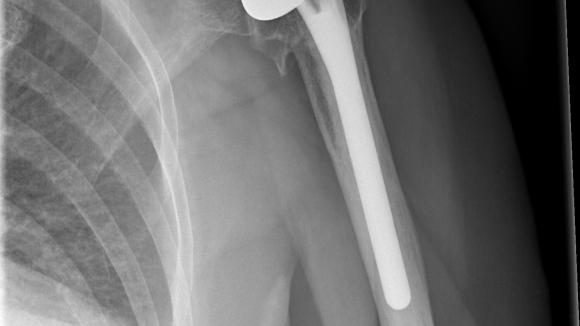
The need for total shoulder arthroplasty (TSA) in rheumatoid arthritis (RA) patients appears to depend on the use of disease modifying antirheumatic drugs (DMARDs), according to Seminars in Arthroplasty.
Dr. Jack Cush reviews the past week of news on RheumNow.com.
NIH funded researchers from Duke University have developed a set of serum proteomic biomarkers that successfully predict clinically relevant knee osteoarthritis (KOA) progression (both structural change and joint pain) over a 2 year period.
An estimated 100,000 to 120,000 fragility fractures occur annually in the Netherlands, the equivalent of at least 11 broken bones per hour.
Dr. Jack Cush reviews this week’s journal articles, focuses on studies that should not have been done and responds to viewer questions in Ask Cush Anything.