
Article
Dr. Jack Cush discusses the news and journal articles from the past week on RheumNow.com.

Search for Terms or Answers
Dr. Jack Cush discusses the news and journal articles from the past week on RheumNow.com.

Analysis of data from the DANBIO registry of psoriatic arthritis patients treated with tumor necrosis factor inhibitor therapy shows that comorbidities were associated with higher baseline disease activity, shorter TNFi persistence, and reduced clinical response rates to TNFi.

A study from the Veterans Affairs clinics and the National Data Bank of Rheumatic Diseases shows that rheumatoid arthritis (RA) patients who were severely obese had a greater risk of progressive disability compared to overweight patients; that was not explained by their arthritis or inflammation.

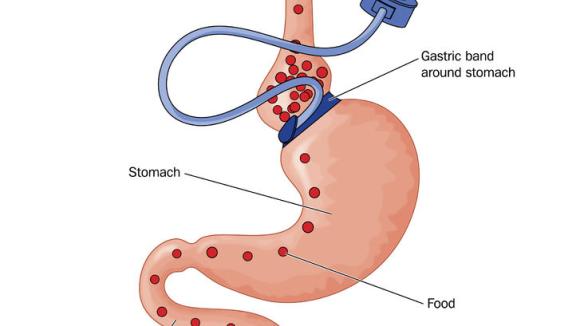
Laparoscopic gastric band (LAGB) surgery was associated with significant decreases in knee pain from osteoarthritis (OA), with the greatest improvements seen among those whose body mass index (BMI) had the greatest decreases and among younger patients, researchers reported.
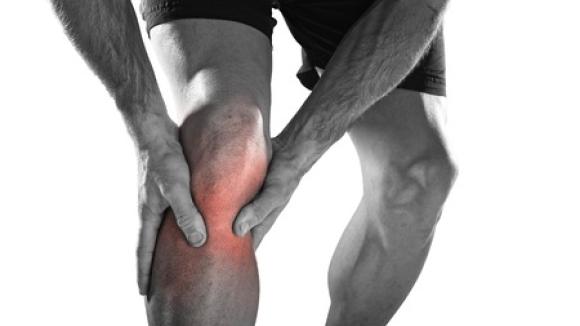
Chronic pain and depression are intimately linked, but Japanese researchers have found that up to 12% of knee osteoarthritis (OA) may develop depression and that such patients should be screened for depression over time.
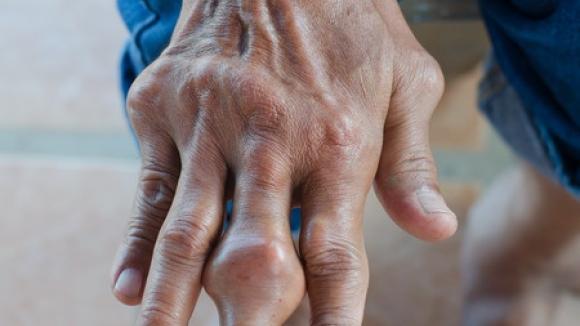
The current issue of JAMA has a perspective article on Gout’s bad rap as dietary disease rather than the complex, chronic inflammatory disorder that is ineffectively treated in many.
Dr. Jack Cush reviews the news and highlights from the past week on RheumNow.com.

By retrospectively reviewing electronic health record (EHR) data, Kreps et al found that rheumatoid arthritis (RA) patients who lost >5 kg of weight were three times more likely to demonstrate improvement in disease activity.

JAMA reports the results of a 5 year Finnish study comparing the results of laparoscopic sleeve gastrectomy vs Roux-en-Y gastric bypass and shows that gastric bypass yielded greater weight loss at 5 years, the difference was not statistically significant, in patients with morbid obesity.

The latest issue of CDC’s MMWR reports that exercise counseling among arthritis patients increased from 52% to 61% (2002 to 2014); hence ~40% do not receive health care provider counseling, suggesting the need for provider education and training in exercise counseling, and improved electroni

Lancet reports on the analysis of 2416 studies, involving 128.9 million persons over 5 years of age shows previously rising trends in children's and adolescents' BMI have plateaued in many high-income countries, but still at high levels.

A time-series analysis of incident rheumatoid arthritis (RA) patients seen between 1996 and 2011 in the Danish National Patient Register shows that the incidence of hip (THR) and knee replacements (TKR) began to decrease after the introdution of biologic agents for RA in 2002.
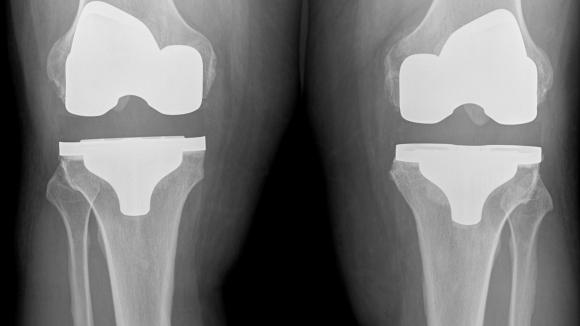
A new study presented at the Radiological Society of North America (RSNA) shows that obese people with substantial weight loss may significantly slow down the rate of joint space narrowing (cartilage degeneration) in the knee cartilage, but only if they lose weight through diet and exercise or di

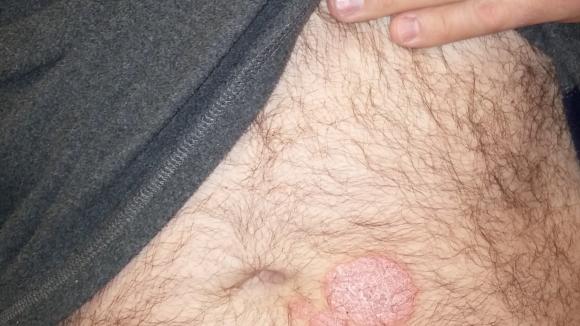
Noe and colleagues have reported in the Journal of Investigative Dermatology that by estimating the extent of skin involvement in psoriasis (%BSA) they may assess future mortality risk.
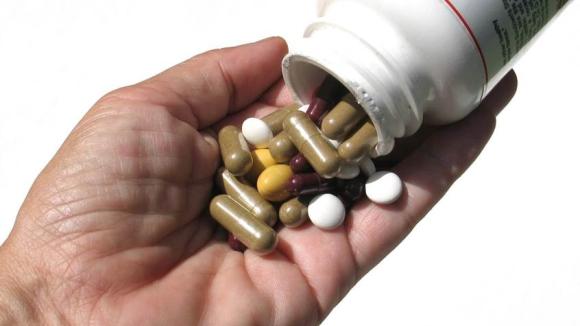
In 1994 there were 600 supplement companies, producing 4,000 OTC supplement products for a total revenue of about $4 billion. Today we have close to 6,000 companies, producting nearly 75,000 supplement products, bringing in $37 billion annually.
Dr. Jack Cush reviews the news from the past week on RheumNow.com:
Investigators with the Swiss Clinical Quality Management (SCQM) program have studied the effects of obesity on patients with axial spondyloarthritis (axSpA) and, specifically, their response to tumor necrosis factor inhibitors (TNFi).
Dr. Jack Cush reviews highlights from the past week on RheumNow.com.

Dai, Felson and colleagues report in Annals of Rheumatic Disease that high dietary fiber lowers the risk of symptomatic osteoathritis (SxOA), but the radiographic benefits remain unclear. (Citation source http://buff.ly/2rHv9yd)
Two current articles in the Journal of Rheumatology address issues surrounding mortality risk among those with new and established gout.

By downloading this material, I acknowledge that it may be used only for personal use and personal education and that I will accredit RheumNow.com as the source and owner of this material. Commercial use or mass reproduction of this material without permission from RheumNow (info@rheumnow.com) is prohibited.

