
Article
MMWR reports that In 2015, the number of adults with arthritis continued to increase; with marked geographic variability in arthritis estimates with gaps in arthritis management.

Search for Terms or Answers
MMWR reports that In 2015, the number of adults with arthritis continued to increase; with marked geographic variability in arthritis estimates with gaps in arthritis management.

The CDC released new information yesterday showing that emergency department (ED) visits for opioid overdoses rose 30% in the US from July 2016 through September 2017; in addition, those with an overdose are more likely to a repeat overdose.
JAMA reports that the SPACE trial demonstrates patients with chronic back or arthritis pain respond equally to 12 months of either opioids or non-opioid (acetaminophen or NSAIDs) analgesics.

Dr. Jack Cush reviews the news and highlights from the past week on RheumNow.com.

Many protocols call for anticoagulation after total hip or total knee arthroplasty to prevent venous thromboembolism (proximal deep-vein thrombosis or pulmonary embolism), and some reports have suggested a role for aspiring or direct oral anticoagulants as preventative therapy. The NEJM has reported that oral anticoagulation with rivaroxaban (Xarelto) followed by aspirin to be effective prophylaxis.

A Taiwanese study of 55,629 hypertensive patients shows no increased risk of major cardiovascular events comparing outcomes of patients started on COX-2 selective NSAIDs compared with nonselective NSAIDs (including ibuprofen, diclofenac and naproxen).

UK researchers have treated 248 patients with moderate to severe hand pain and radiographic osteoarthritis (OA) and demonstrated no benefit after 12 months of hydroxychloroquine (HCQ), according to a recent article in Annals of Internal Medicine.

An analysis of 43,706 adults from the 1999-2014 National Health and Nutrition Examination Surveys (NHANES) demonstrated temporal trends in the prevalence of arthritis, including a rise in osteoarthritis (OA) from 6.6% to 14.3%, while the prevalence of rheumatoid arthritis (RA) decreased from 5.9%

Listen in on the proceedings from the 2018 RWCS meeting in Maui, with excerpts from leading teachers in rheumatology. This podcast features presentations from Drs.

Here are the 10 most talked about MMWR Reports of 2017.
New data shows that nearly 15 percent of adult ibuprofen users exceed the maximum recommended dose of ibuprofen or other NSAIDs in a one-week period.

A report from Annals of Rheumatic Diseases suggests that osteoarthritis (OA) may be two distinct diseases based on genetic studies of articular cartilage. (Citation source: https://buff.ly/2mNtUsL).

The latest issue of CDC’s MMWR reports that exercise counseling among arthritis patients increased from 52% to 61% (2002 to 2014); hence ~40% do not receive health care provider counseling, suggesting the need for provider education and training in exercise counseling, and improved electroni

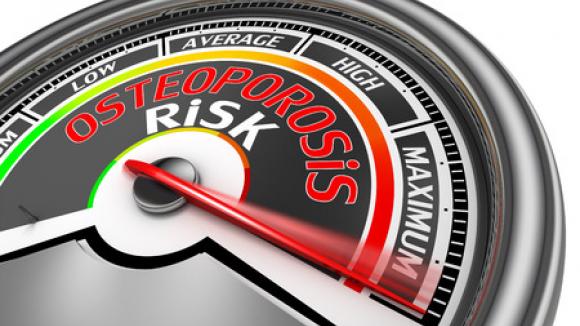
Recent JAMA study shows metanalysis of 33 clinical trials and 51,145 participants, showed that calcium, vitamin D, or both affords no decreased risk of hip fractures compared with placebo or no treatment and therefore questions their routine widespread use in the elderly..

A UK Study published in Lancet shows that community-based screening programme for fracture risk in older women is feasible, and may reduce hip fractures.
Rheumatology has published a study demonstrating that bone marrow edema as measured by magnetic resonance imaging (MRI) may be found in healthy people, but that such changes do not change with intense physical activity.

During 2017, the improvements and refinements seen during previous years in the treatment of rheumatoid arthritis have been extending to other conditions ranging from psoriatic arthritis to lupus and for both monoclonal antibodies and oral small molecule medications.
The PRECISION trial reported last year that celecoxib appears to be safer than the NSAIDs naproxen or ibuprofen in treating osteoarthritis (OA) and rheumatoid arthritis patients who are at increased cardiovascular risk. New data suggests that adding aspirin may nullify this advantage, according to a study presented at the annual American Heart Association meeting and reported by Medscape.

JAMA Internal Medicine has reported that recommendations and clinical practice guidelines from the American College of Rheumatology are often based on expert opinion, but lack rigorous (grade A) evidence to support many of their recommendations.

Researchers at the Boston University School of Medicine have published a new report showing that arthritis affected 91 million adults in the US in 2015 or 37% of the poplulation. Their prevalence estimate is 68% higher than previously reported arthritis national estimates.

By downloading this material, I acknowledge that it may be used only for personal use and personal education and that I will accredit RheumNow.com as the source and owner of this material. Commercial use or mass reproduction of this material without permission from RheumNow (info@rheumnow.com) is prohibited.

