
Article
Dr. Jack Cush reviews the news and journal reports from the past week on RheumNow.com; and pays homage to colleagues who passed away in 2024.

Search for Terms or Answers
Dr. Jack Cush reviews the news and journal reports from the past week on RheumNow.com; and pays homage to colleagues who passed away in 2024.

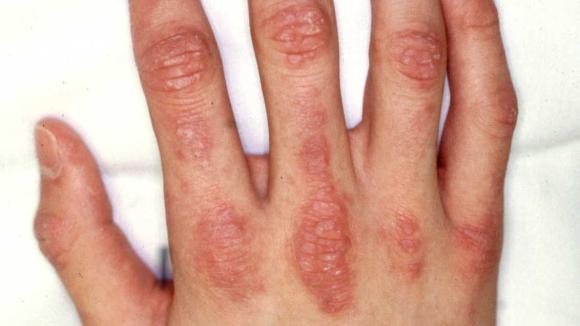
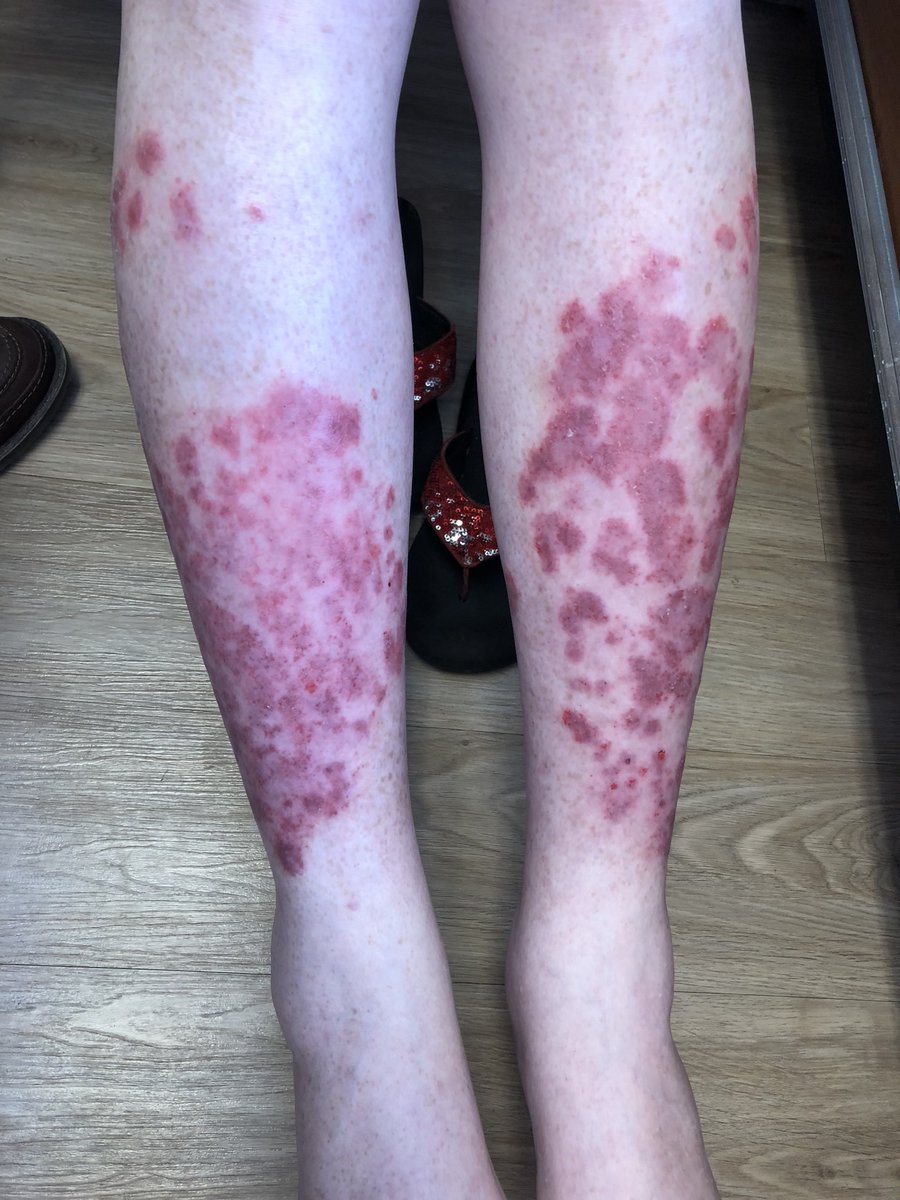
Lancet reports that the use of dazukibart, a selective monoclonal antibody against interferon B (IFNβ), was clinically effective in reducing disease activity in adults with active dermatomyositis (DM).
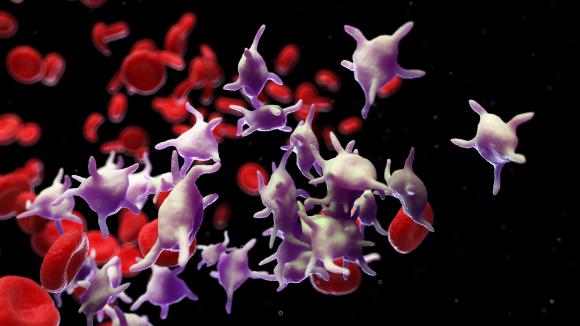
A pilot trial has shown a thrombopoietin receptor agonist, eltrombopag (Promacta), to be effective in connective tissue disease-related (CTD), refractory immune thrombocytopenia (ITP).
Dr. Jack Cush brings in the new year with a review of the latest from RheumNow.com
An epidemiologic assessment of the prevalence of autoimmune diseases in the United States (US) finds that nearly 5% of the population has an autoimmune disorder, twice as many in women compared to men.
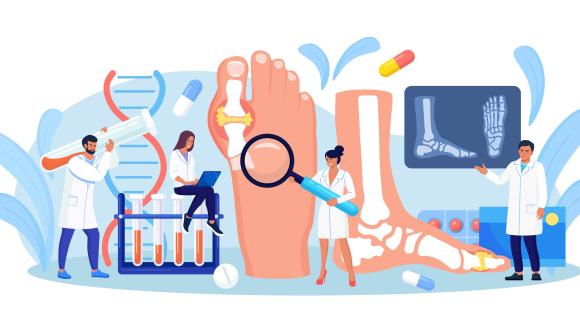
A cohort study of gout patients with CKD stage 3 found that lowering serum urate (SUA) level to less than 6 mg/dL, lowered the risk for severe or end-stage kidney disease progression.

Dr. Jack Cush reviews the journal reports from the past week on RheumNow.com. Highlights are summarized by three songs: "Stairway to Heaven", "You're No Good", and "How Long (has this been going on)".
NHANES national survey study shows that sedentary behavior is an independent risk factor for gout, especially in those without hyperuricemia.

A follow-up analysis of a randomized clinical trial found that the use of calcium and vitamin D supplements among postmenopausal women was associated with decreased risk for cancer mortality, but increased risk for cardiovascular disease mortality. The analysis is published in Annals of Internal Medicine.
A retrospective cohort study of biological disease-modifying antirheumatic drugs (bDMARDs) persistence in rheumatoid arthritis patients with chronic kidney disease, shows the 3 year survival to be under 50% but that all studied biologics were nearly equivalents with regard to safety and efficacy.
The “Controversies in Vitamin D” International Conference has published their proceedings on vitamin D metabolism, assessment, actions, and supplementation. Interestingly, optimal levels of 25-hydroxy vitamin D (25(OH)D) are still being debated.




By downloading this material, I acknowledge that it may be used only for personal use and personal education and that I will accredit RheumNow.com as the source and owner of this material. Commercial use or mass reproduction of this material without permission from RheumNow (info@rheumnow.com) is prohibited.


