
Article
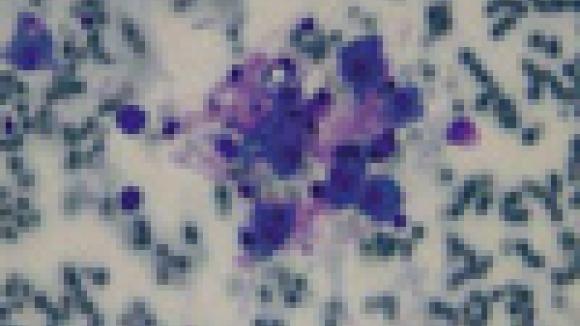
The first drug specifically for primary hemophagocytic lymphohistiocytosis (HLH) was approved today, the FDA announced.

Search for Terms or Answers
The first drug specifically for primary hemophagocytic lymphohistiocytosis (HLH) was approved today, the FDA announced.
Dr. Jack Cush reviews the news from the past week at RheumNow.com.

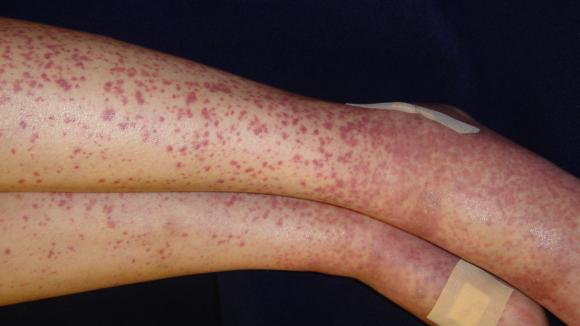
Management of Henoch-Schonlein purpura (HSP) can be challenging as supportive care and avoidance of corticosteroids are often insufficient options. A new series of case reports and literature review of steroid refractory HSP suggests that rituximab may be effective in reducing hospital admissions, overall steroid use, and is capable of inducing remission.
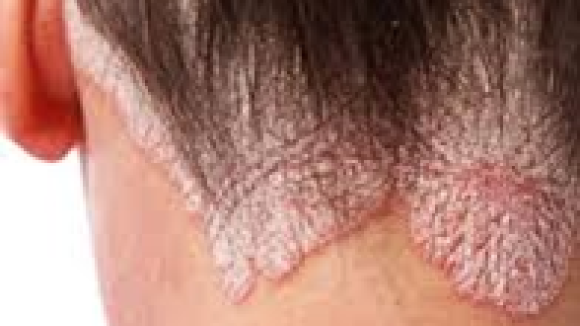
Celgene has announced results from the phase 3 STYLE study, showing apremilast yielding significant improvement in moderate-to-severe scalp psoriasis. STYLE is a phase 3, multicenter, randomized, placebo-controlled, double-blind study evaluating the efficacy and safety of apremilast in subjects with moderate to severe plaque psoriasis of the scalp. The study enrolled 303 people who were randomized 2:1 to receive apremilast 30 mg twice daily or placebo for the first 16 weeks.
Some clinical benefits were seen among patients with adult-onset Still's disease treated with tocilizumab (Actemra) in a small clinical trial, but the study's primary endpoint was not met, Japanese researchers reported.
Analysis of the Black Women's Health Study shows that obesity as a teenager may be associated with increased risk of systemic lupus erythematous (SLE) in adulthood.
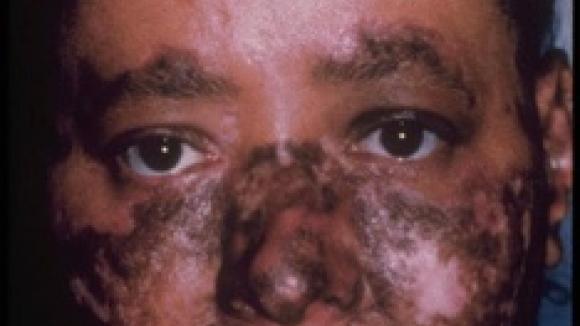
Overlap of autoimmune disorders represents a significant diagnostic and management challenge to the rheumatologist. A novel cohort analysis of overlap between systemic sclerosis (SSc) and systemic lupus erythematous (SLE) suggests such patients tend to be younger, more frequently have PAH, but less cutaneous manifestations of SSc.
Dr. Jack Cush reviews the news from the past week on RheumNow.com.
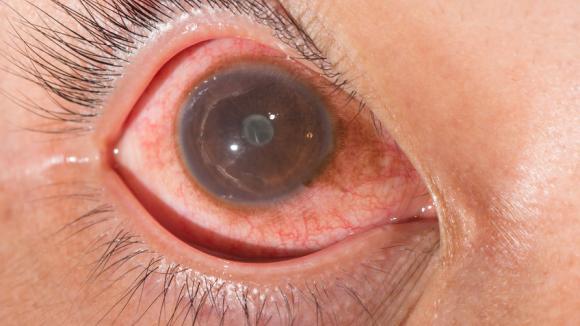
Researchers from Germany have studied a large cohort of juvenile idiopathic arthritis (JIA) patients and shown that JIA disease activity scores and laboratory biomarkers could be used to better define the group of JIA patients at high risk of uveitis onset.
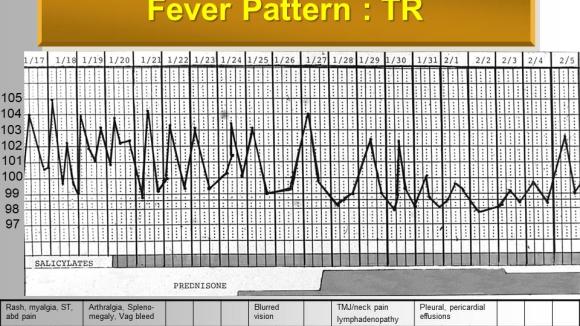
Only inhibitors of IL-1 (canakinumab) and IL-6 (tocilizumab) are FDA approved for use in children with systemic onset juvenile idiopathic arthritis (sJIA). Now, long-term data from the extension studies from two phase III studies shows that canakinumab yields long-term improvements with reduced glucocorticoid dosing with no new safety findings with long-term use.

In July 2018, RheumNow launched a “Live Vote” survey of US and non-US rheumatologists that asked how they diagnose and treat systemic juvenile idiopathic arthritis (sJIA), also known as “Still’s disease”. It appears that many prefer to start therapy with an IL-1 inhibitor, after a course of steroids and MTX/DMARD. Yet, these findings suggest there are significant unmet needs in the diagnosis and management of sJIA patients.
A Danish population study suggests that fetal exposure to maternal rheumatoid arthritis results in an increased offspring risk of thyroid disease, epilepsy and RA, compared to children born to mothers without RA.

Dr. Jack Cush reviews the news and journal reports from the past week on RheumNow.com.

A consensus panel was convened to develop consensus-based clinical and therapeutic recommendations for the use of methotrexate (MTX) in the management of Juvenile Idiopathic Arthritis (JIA) patients.

Dr. Jack Cush reviews the news and journal articles from the past week on RheumNow.com. Fateful outcomes in Rheumatology, what happens to Seronegatives, IL-23 fails, MRI progression, Not all inflammatory back pain becomes SpA:
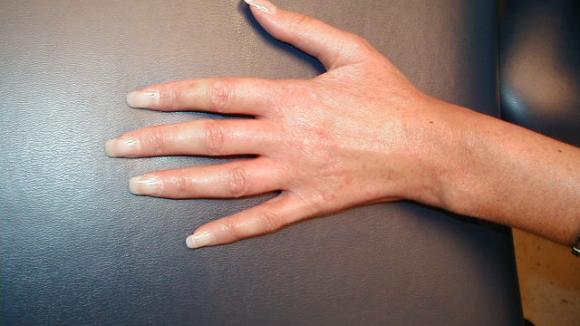
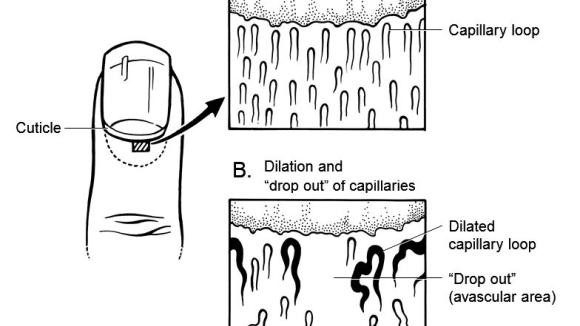
In patients with juvenile dermatomyositis (DM), an association was seen between low nailfold capillary density and pulmonary involvement, European researchers reported.
The EULAR 2018 wound down on Saturday with fewer oral presentations but many posters. In my last report I put together a collection of impressions and some thematic highlights not covered in previous reports.

While many autoinflammatory syndromes are driven and managed with select inhibition of IL-1, IL-18 or IL-6, a subset are driven by type I interferon and are referred to as interferonopathies. These monogenic IFN–mediated disorders present in infancy with fevers, systemic inflammation, an IFN response gene signature, inflammatory organ damage, and high mortality.
While the risk of neoplasia with tumour necrosis factor inhibitor (TNFi) use has been largely nullified in most inflammatory disorders, this risk in children is less certain. However a recent study shows no risk of increased cancer in children treated with TNFi for juvenile idiopathic arthritis (JIA), pediatric inflammatory bowel disease (pIBD) and pediatric plaque psoriasis (pPsO).
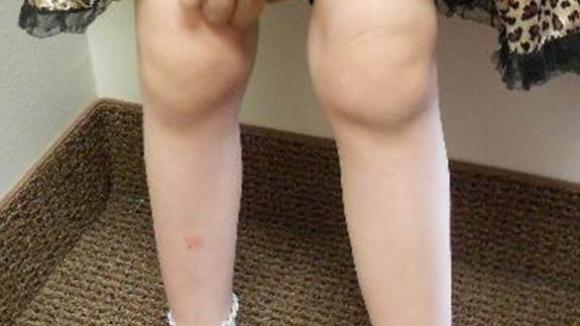
The New England Journal of Medicine reports that the anti-interleukin (IL)-1β monoclonal antibody canakinumab (Ilaris) was effective in the treatment of three distinct autoinflammatory recurrent fever syndromes (FMF, TRAPS, HIDS) with responses that were far superior to what was see
By downloading this material, I acknowledge that it may be used only for personal use and personal education and that I will accredit RheumNow.com as the source and owner of this material. Commercial use or mass reproduction of this material without permission from RheumNow (info@rheumnow.com) is prohibited.

