In March 2017, an outbreak of 41 cases of septic arthritis associated with intra-articular injections administered at an single outpatient practice occurred in New Jersey. A public health investigation identified multiple breaches of recommended infection prevention practices during the preparation and administration of PBP products. The intraarticular injections were done using fluoroscopic visualization. The CDC has reported the results of its investigation.

All News
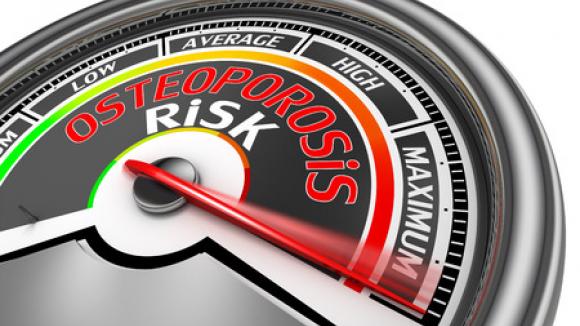
Bone mineral density (BMD) measurement vie DEXA scan commonly used to assess bone density and fracture risk in postmenopausal osteoporosis provides us with approximate assessment of bone health while lacking sensitivity in vertebral fracture risk prediction.
Dr. Jack Cush reviews the news from the past week on RheumNow.com:
Bone turnover markers (BTMs) have been eyed for decades as potential monitoring tools in osteoporosis.
The American College of Rheumatology has partnered with the American Association of Hip and Knee Surgeons to develop consensus-based guidelines for perioperative management of antirheumatic therapies for patients with rheumatic diseases who plan to undergo total joint replacement.
The American College of Rheumatology has updated its 2010 guideline for the prevention and treatment of glucocorticoid-induced osteoporosis. The guideline provides recommendations on assessing fracture risk and treatment for adults and special patient populations, including women of childbearing potential, adults treated with very high-dose glucocorticoids, adults with organ transplants, and children ages 4-17.
Dr. Jack Cush reviews highlights from the past week on RheumNow.com.
Reginster and colleagues have reported on the results of the CONCEPT trial showing that osteoarthritis (OA) patients treated 800 mg/day of pharmaceutical-grade chondroitin sulfate (CS) have less VAS pain scores and improved function over 6 months therapy. These results were superior to placebo and equivalent to celecoxib in reducing in symptomatic OA knee pain.
Dr. Jack Cush Reviews highlights from the past week on RheumNow.com:
Dr. Jack Cush reviews highlights and updates from the past week on RheumNow.com:
Treatment of knee osteoarthritis (with synovitis) with an injection of a corticosteroid every three months over two years resulted in significantly greater cartilage volume loss and no significant difference in knee pain compared to patients who received a placebo injection, according to a study
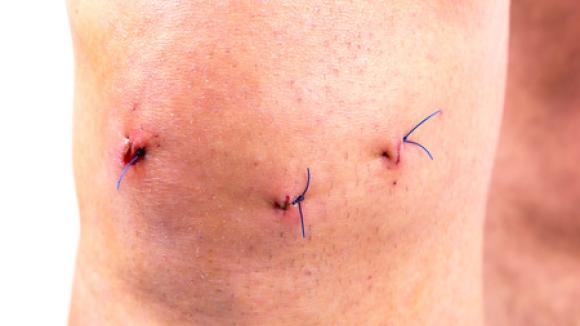
The British Medical Journal has published a clinical practice guideline for the use of arthroscopic surgery for degenerative knee arthritis and meniscal tears, suggesting that many patients will not benefit from such surgery.
Dr. Jack Cush highlights the big stories, news and articles from this week at RheumNow.com.
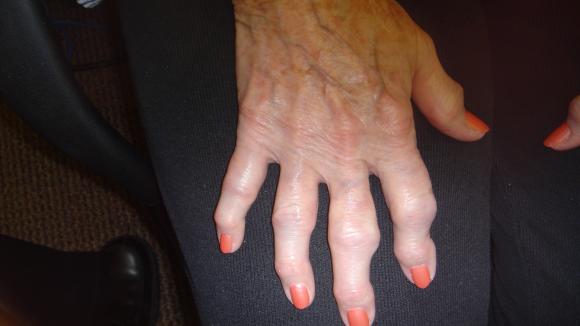
Qin and colleagues have published in Arthritis & Rheumatology that 40% of people will be affected by symptomatic osteoarthritis in at least one hand. (Citation source: http://buff.ly/2qTUscZ)
Dr Jack Cush reviews highlights from the news last week on RheumNow.com:
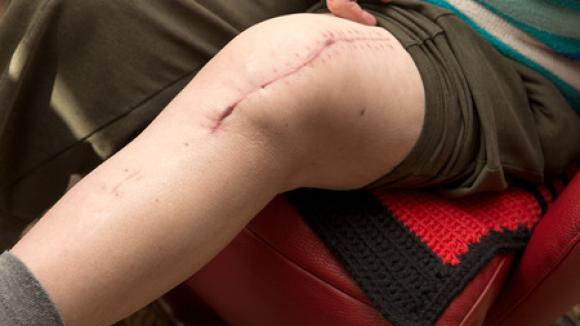
A New York Times article sheds light on recent evidence suggesting that those undergoing hip or knee replacement will do just as well with home therapy compared to inpatient rehabilitation following surgery.
The morbidity associated with osteoporosis-related fragility fractures imposes tremendous socioeconomic and medical impact on patients and society.
Steroids are known for their acute therpeutic wonders and chronic hazards. Hence most practitioners are comfortable using short term, limited dose corticosteroids for a variety of ailments.
When do the risks outweigh the benefits of NSAIDs use, especially in those with prior cardiovascular and gastrointestinal events? The CONCERN study has tested the effects of proton-pump inhibitor (PPI) in preventing GI bleeds when using NSAIDs and ASA.
More research is needed to determine the benefits and harms of osteoporosis medications on bone mineral density (BMD), fracture risk, and safety among patients with chronic kidney disease (CKD). This is important because complications of CKD include weak bones and increased fracture risk.