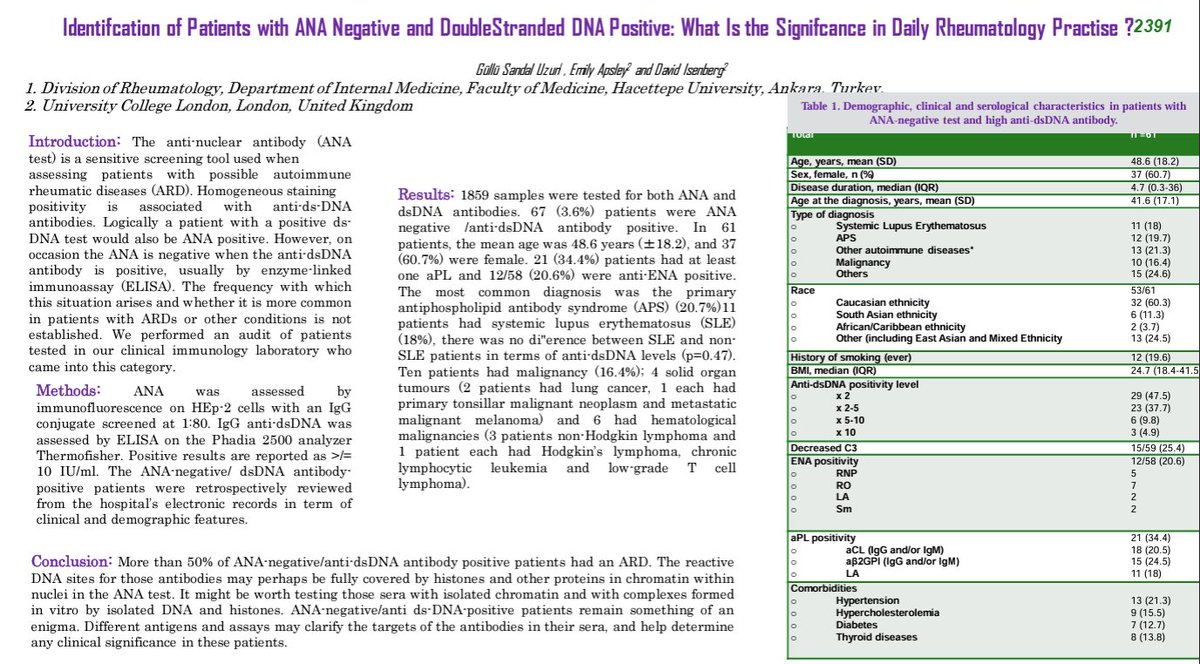
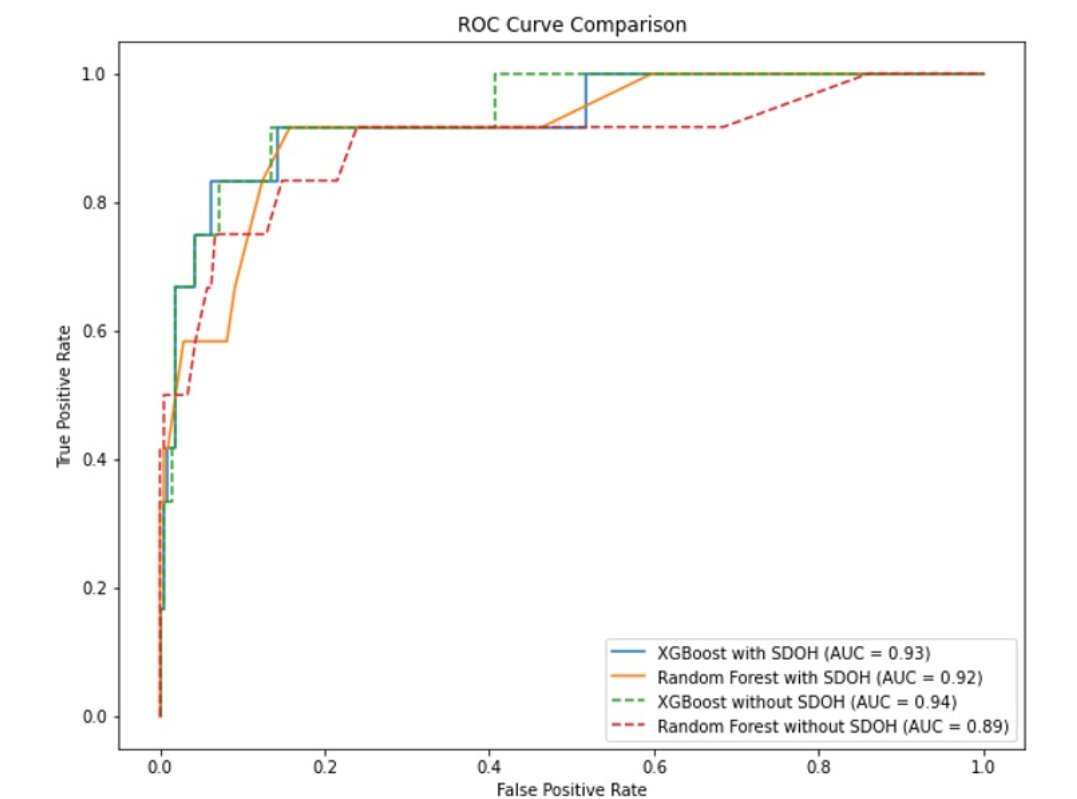
the predictive value of a positive ANA test—especially in the absence of other clinical symptoms—remains a challenge. A positive test often leads to further testing, yet it does not necessarily indicate whether a patient truly has an underlying autoimmune disease. The development of AI and machine learning algorithms presents an opportunity to interpret autoantibody tests and predict autoimmune diseases. Here are three studies looking at this issue.

All News
Suppose you have a patient with lupus returning for follow-up. Their joint symptoms are well controlled. The kidneys—managed with a combination of biologic DMARD and mycophenolate—show no signs of active urinary sediment or protein. Yet, during the routine visit, your patient brings up fatigue and difficulty remembering things. How do you address this? Several studies presented at ACR24 focused on cognitive impairment in lupus.
the predictive value of a positive ANA test—especially in the absence of other clinical symptoms—remains a challenge. A positive test often leads to further testing, yet it does not necessarily indicate whether a patient truly has an underlying autoimmune disease. The development of AI and machine learning algorithms presents an opportunity to interpret autoantibody tests and predict autoimmune diseases. Here are three studies looking at this issue.