
Article
An article in the Journal of Bone and Mineral Research reports that physical activity during adolescence is an important determinant in bone strength. (Citation source http://buff.ly/2oph6vO)

Search for Terms or Answers
An article in the Journal of Bone and Mineral Research reports that physical activity during adolescence is an important determinant in bone strength. (Citation source http://buff.ly/2oph6vO)
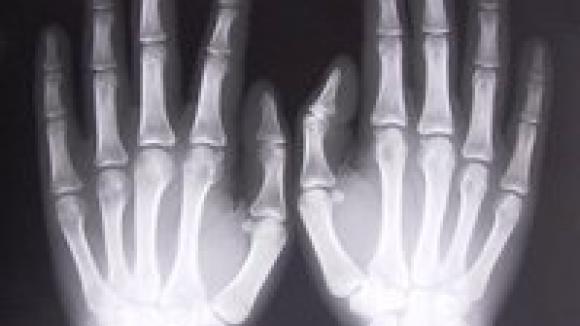
Lyrica (pregabalin) was first approved in 2004 and since has been studied and approved for use in neuropathic pain (associated with diabetic neuropathy), postherpetic neuralgia, partial onset seizures, fibromyalgia and neuropathic pain with spinal cord injury.

A a randomized trial published in Annals of Internal Medicine shows that intradiscal glucocorticoid injection has limited (1 month) efficacy in treating low back pain (LBP) associated with active discopathy, yet decreased over time.
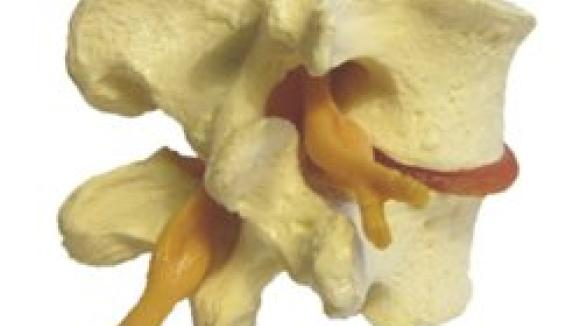
Clinical Rheumatology reports that the repeated intravenous administration of gadolinium-based contrast agents (GBCAs), although clinically useful, may be associated with rare toxicity and the uncertain clinical effects of accumulation.
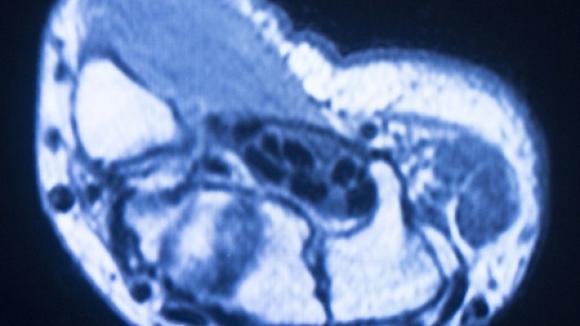
Dr. Jack Cush reviews highlights in the news from the past week at RheumNow.com. News on hepatitis C in RA and risk of hepatotoxicity; TNF inhibitor persistence in PsA; unnecessary injections in pre-operative OA knee patients; and a delay in the FDA decision on abaloparatide.

Dr. Jack Cush reviews news and highlights from the past week on RheumNow.com. Sign up at RheumNow.com to received daily or weekly news, blogs and tweets on all things rheumatology

In the United States, doctor-diagnosed arthritis is a common and widespread chronic condition (1,2). Arthritis is a leading cause of disability (3) and is projected to affect 78.4 million adults by 2040.
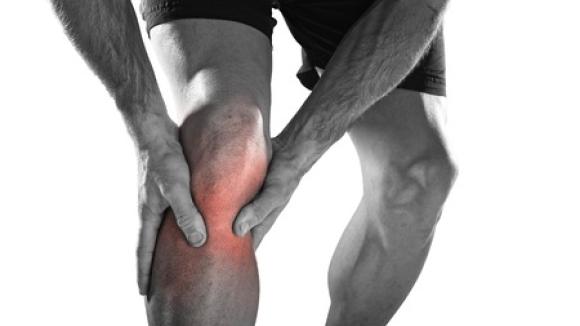
Dr. Jack Cush reviews highlights from the past week on RheumNow.com:
Joint arthroplasty has grown into a billion dollar industry worldwide. However, optimal timing and the success of total joint replacements in younger patient groups has not been well studied.
Poorer and less-educated older Americans are more likely to suffer from chronic pain than those with greater wealth and more education, but the disparity between the two groups is much greater than previously thought, according to new research.

The George Institute for Global Health has performed a systematic review of drugs used to treat back pain. Their findings, published in the Annals of the Rheumatic Diseases, shows that only one in six improve their pain with NSAID therapy.
Dr. Jack Cush reviews highlights from the past week on RheumNow.
A randomized trial of 537 knee osteoarthritis (OA) patients in the Duke Healthcare system has shown that patient- and provider interventions were no better than the usual standard of care.

The association between the use of proton pump inhibitors (PPIs), osteoporosis (OP) and OP-related fragility fractures has been a topic of ongoing discussion in rheumatology community.
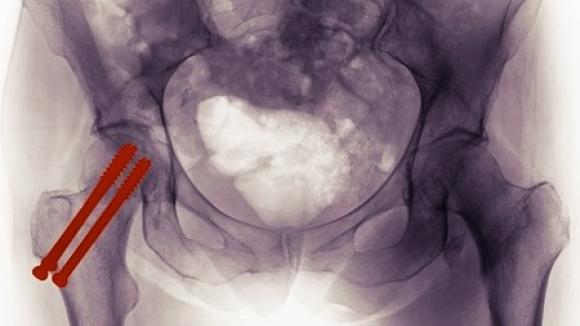
Dr. Jack Cush reviews highlights from this past week on RheumNow.com:
Dr. Jack Cush reviews highlights from the first week of 2017 on RheumNow.com.
Happy New Year!
The current online edition of JAMA examines the evidence from 27 clinical trials and 1767 patients to assess the impact of intra-articular corticosteroids in patients with knee osteoarthritis (OA).
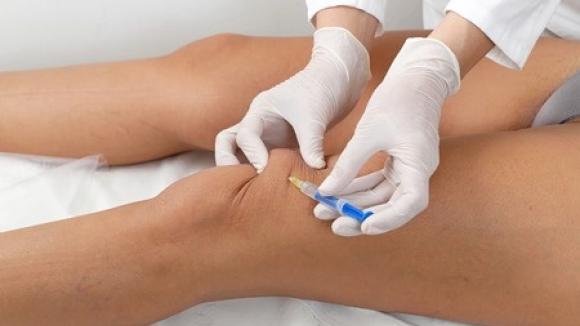
There are more than 11 million proton pump inhibitor (PPI) prescriptions written each year in the United States. While these agents have dramatically changed the management and outcome of upper gastrointestinal (GI) erosive and inflammatory disorders, their use has not been without safety concerns.
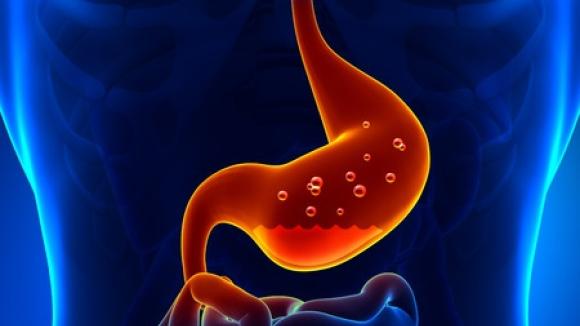
Research from Johns Hopkins reports that rheumatoid arthritis (RA) patients with periodontitis exhibited patterns of autoantigen hypercitrullination similar to that seen in RA. Results published in Science Translational Medicine showed that Aggregatibacter actinomycetemcomitans can produce hypercitrullination of patient neutrophils, indicating its possible role in triggering RA. (Citation source: http://buff.ly/2hZTBG8)
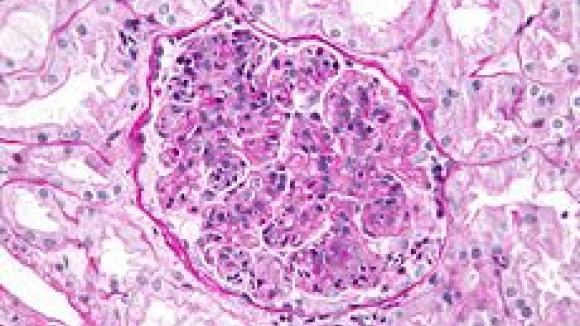
No new osteoporosis drugs hit the market this year, but two are progressing through the development pipeline and are showing promise.
By downloading this material, I acknowledge that it may be used only for personal use and personal education and that I will accredit RheumNow.com as the source and owner of this material. Commercial use or mass reproduction of this material without permission from RheumNow (info@rheumnow.com) is prohibited.

