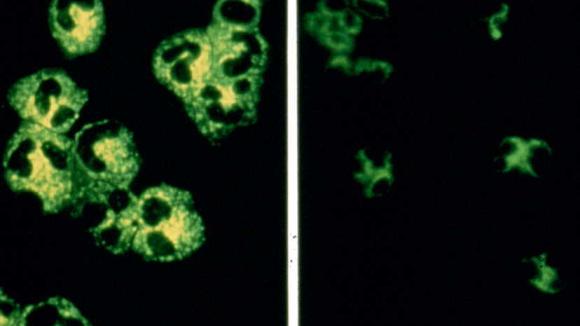
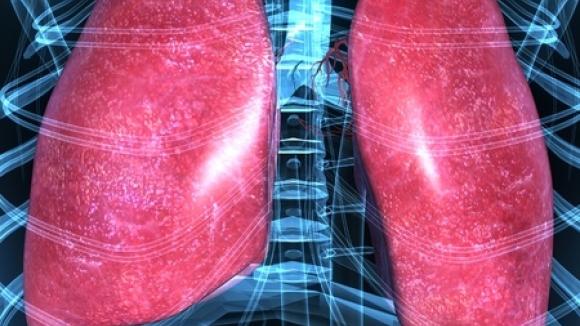
Genentech announced Thursday that the US Food and Drug Administration approved tocilizumab (Actemra) for the treatment of Systemic Sclerosis-associated Interstitial Lung Disease (SSc-ILD), specifically indicated for slowing the rate of decline in pulmonary function in adul
All News
Dr. Jack Cush reviews this week’s news and journal reports featured on RheumNow.com.
The NEJM has published results of a real-world efficacty trial showing that COVID infected children with the multisystem inflammatory syndrome in children (MIS-C) respond better to initial IVIG plus glucocorticoids (than IVIG alone) which was associated with less subsequent cardiovascular co
Dr. Jack Cush reviews the news and journal reports from this past week on RheumNow.com.
Analysis of data from the COVID-19 Global Rheumatology Alliance shows that rheumatic diseases infected with COVID-19 had a greater risk of death with age, comorbidities, high disease activity and few specific therapies.
Dr Jack Cush reviews the news and journal reports from the past week on RheumNow.com
Dr. Jack Cush reviews the news and journal articles from the past week on RheumNow.com - a website for rheumatologists, by rheumatologists.
We love Rheumatology!
RheumNow Live (RNL) for 2021 was held March 20 - 21 in Fort Worth, TX, and now all can partake in the meeting - by video, podcast or by signing up for Tuesday Nite Rheumatology (TNR).
FDA Advisors Split on Avacopan for Vasculitis
Members of an FDA advisory panel were sharply divided as to whether avacopan, an oral small molecule inhibitor of the C5a receptor, was sufficiently safe and effective for treating antineutrophil cytoplasmic antibody (ANCA)-associated vasculitis.
Petri and colleagues have published that measuring hydroxychloroquine (HCQ) blood levels can be useful in systemic lupus erythematosus (SLE), as low levels are associated with an increased thrombotic risk in SLE.
Avacopan for ANCA Vasculitis Goes in Front of the FDA
An FDA advisory panel will consider whether to recommend approval of an oral C5a inhibitor for antineutrophil cytoplasmic antibody (ANCA)-associated vasculitis, with agency staff raising questions over the "clinical meaningfulness" of key study data.
Dr. Jack Cush reviews the best journal articles from the past week on RheumNow.com.
Long-term outcomes of kids with childhood-onset systemic lupus erythematosus (cSLE) are uncommon, but this cSLE cohort analysis suggests that SLE significantly impacts their future education, vocation, and employment as they reach adulthood.
An open source, free read from the European Journal of Internal Medicine discusses how uric acid has evolved from the toxic cause of gout and nephrolithiasis and evolved, by way of science, into a pleiotropic recidivist in the evolution of obesity, diabetes, insulin resistance, renal disease, hypertension, fatty liver, and cardiovascular disease.
A phase III trial assessing the efficacy and safety of tofacitinib in adults with with active ankylosing spondylitis (AS) shows that JAK inhibitiion was superior to placebo in a 48 week study.
Analysis of patients receiving anti–tumor necrosis factor α (TNFi) therapy in the British Society for Rheumatology Biologics Register (BSRBR) shows that the risk of demyelination is rare but is marginally increased by taking TNFi therapy.
A new study of calcitonin gene-related peptide (CGRP) antagonists for migraine headaches found that a small subset manifested Raynaud phenomenon and other had microvascular complications, suggesting that CGRP antagonists should be used in caution in patients with Raynauds.
Researchers from the University of Cincinnati Gardner Neuroscience Institute will present data on a new treatment for Pompe disease at the American Academy of Neurology on April 20th; the results show that treatment with avalglucosidase alfa yielded substantial clinical improvements and a more favorable safety profile compared to the current standard of care (alglucosidase alfa).
Dr Jack Cush gives his spin on this week's RheumNews and Rheum Research from RheumNow.com.
Medscape offers up an informative overview of the newly described syndrome called VEXAS discovered by researchers at the National Institutes of Health.