A recent analysis shows thta glucocorticoids (GCs), usually recommended for short-term use in rheumatoid arthritis (RA), are variably used by rheumatologists, and that provider preference is a strong predictors of long-term glucocorticoid use.

All News
Dr. Jack Cush reviews the FDA approvals, news and the latest journal articles from the past week on RheumNow.com.
Both systemic onset juvenile idiopathic arthritis (sJIA) and adult-onset Still’s disease are acquired autoinflammatory disorders of uncertain etiology. Yet recent reports of AOSD onset and flare following COVID-19 vaccinations may have important mechanistic implications.
October 8, 2021 the U.S.
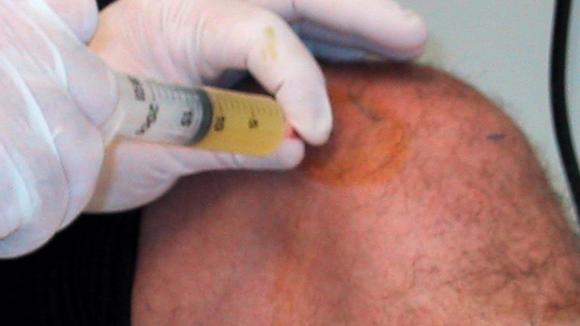
A longitudinal study from Iceland shows an increasing number of native joint infections (NJI), with iatrogenic, postarthroscopic infections being of particular concern.
Serious Infection Risk High in Patients With Lupus
Patients with systemic lupus erythematosus (SLE) had two to four times higher risk for serious infection requiring hospitalization, a nationwide Swedish study found.
Smartphones and diet; COVID-19 and the numbers - reassuring or not, and what about masks?; and do more drugs mean more switching, less persistence, and patient adherence goes up...or down? All this and more news and journal reports in this week's episode.
A retrospective records review of patients with periodic fever syndromes (PFS) receiving IL-1 inhibitor treatment with canakinumab (CAN), shows CAN to be effective and safe in a variety of PFS patients.
A new descriptive series shows an uncommon association between IgA vasculitis (IgAV) and inflammatory bowel diseases (IBD), with most cases interestingly arising after or during anti-TNF-α therapy.
A EULAR task force has promulgated several points to consider in managing difficult-to-treat RA. These "points" are unique in directing the rheumatologist's attention to the potential for misdiagnosis and the impact of comorbid conditions on what is perceived as poorly controlled RA.
The interleukin-6 inhibitor, tocilizumab (TCZ), was studied in a cohort of difficult systemic sclerosis (SSc) and was shown to be effective in refractory joint and skin disease with good long-term retention rates and disease stabilization.
A new European real world experience study shows that mepolizumab is effective at both 100 or 300mg every 4 weeks in patients with the rarely encountered eosinophilic granulomatosis with polyangiitis (EGPA; or Churg-Strauss Syndrome).
It was a banner week at the FDA; a new drug approval you should know about; a lot of information about pregnancy and safety; and an interesting case plus a question from one of our readers submitted via Back Talk. This and more in this week's podcast. Let's dive in.
The Journal of Autoimmunity reports that anti-HMRCR antibody positive, necrotizing myositis patients frequently have cutaneous lesions, moreso than previously reported.
AstraZeneca announced today that anifrolumab (Saphnelo or anifrolumab-fnia) was approved by the the Food and Drug Administration (FDA) for that treatment of adult patients with moderate to severe systemic lupus erythematosus (SLE) who are receiving standard therapy.
"Fibromyalgianess" is highlighted as a risk factor for undue, extended glucocorticoid use in rheumatoid arthritis (RA) patients, according to Wallace and colleagues in Rheumatology.
How much psoriasis do you need to have in order to have psoriatic arthritis? This plus a review of rheumatology and COVID news from the past week on RheumNow.com.